
Would love to be heading into #RealisticVirtualHarbin #HotSprings (also for #STEMfieldwork #WUaSresearch) in a #RealisticVirtualEarth (& thanks #PeterNorvig for this INCREDIBLE #ToolifyAIWUaS article) https://t.co/RbIeRueC3O or to #HogmanayInScotland this 12/31/25 #HappyNewYear!
— HarbinBook (@HarbinBook) January 1, 2026
https://x.com/HarbinBook/
https://x.com/scottmacleod/
https://x.com/WorldUnivAndSch/
https://x.com/sgkmacleod/
https://x.com/Q_YogaMacFlower/
https://x.com/WUaSPress/
https://x.com/TheOpenBand/
--
* * *
seeking to open further accrediting @WorldUnivAndSch like Wikipedia in 342 languages building on MIT #opencourseware in 7 languages (for #FreeWUaSdegrees) #ANYWHEREandEVERYWHERE in a #RealisticVirtualEarth & where you can #WikiTeach - https://wiki.
seeking to open further accrediting @WorldUnivAndSch like Wikipedia in 342 languages building on MIT #opencourseware in 7 languages (for #FreeWUaSdegrees) #ANYWHEREandEVERYWHERE in a #RealisticVirtualEarth & where you can #WikiTeach - https://t.co/dLJc25SiYI how best to do this?
— WorldUnivandSch (@WorldUnivAndSch) December 30, 2025
https://x.com/WorldUnivAndSch/
https://x.com/sgkmacleod/
https://x.com/WUaSPress/
https://x.com/scottmacleod/
https://x.com/TheOpenBand/
https://www.linkedin.com/
https://www.linkedin.com/
https://x. com/WUaSPress/status/
https://x. com/Q_YogaMacFlower/status/
https://x. com/sgkmacleod/status/
https://x. com/WorldUnivAndSch/status/
https://x. com/HarbinBook/status/
https://x. com/scottmacleod/status/
https://x. com/TheOpenBand/status/
https://www.linkedin. com/posts/world-university-
https://www.linkedin. com/posts/scott-macleod-
https://www.linkedin. com/posts/world-university-
how best can accrediting World University in school building on MIT opencourseware in seven languages planned in 200 countries as major online universities for free Bachelor PhD law MD IB high school or similar age and masters degrees begin to offer free open Wiki teaching opportunities for speakers of all 7,159 languages and in Wiki data which is we've been in since 2013 and as an independent set of 200 universities
Global Free University Accreditation Plan
That sounds like an incredibly ambitious and complex vision!
The best way to begin an initiative like that, which involves accreditation for a free, global, multi-lingual university system, would involve focusing on a few key areas first:
Establish a strong central educational and legal framework: Since you're planning for 200 countries, you'd need to decide on a legal and educational basis. The most recognized path for an online university is to seek institutional accreditation from a reputable international body, like one of the regional U.S. accreditors or a European association, which can provide credibility for the institution's overall quality and structure. You could explore organizations like the European Association for Higher Education Advancement, or EAHEA, which offers an online accreditation service.
Build the "Wiki Teaching" platform: To offer teaching in all 7,199 languages and integrate with Wikidata, you would need to leverage and build on existing platforms, like Wikiversity and Wikitongues. Wikiversity is already a Wikimedia project focusing on learning materials, and Wikitongues is dedicated to preserving and promoting all languages, which aligns with your goal for maximum language inclusion.
Develop a phased curriculum plan: Launching with every degree (Bachelor, PhD, Law, MD, etc.) simultaneously is a massive undertaking. A practical start would be to launch a few pilot programs, maybe focused on introductory courses inspired by MIT OpenCourseWare, to refine the system and demonstrate quality before pursuing full, specialized degree accreditation.
In short, the starting points are getting a solid, internationally recognized accreditation framework and building out the free, multi-lingual platform using existing resources like Wikiversity.
Would you like me to look into the specifics of what an organization like EAHEA requires for online institutional accreditation?
https://g.co/gemini/share/Global Virtual University Vision
That is a very ambitious and inspiring vision for global education, combining the scale of Wikipedia, the quality of MIT OpenCourseWare, and the engagement of a realistic virtual world!
This vision aligns with several existing, but separate, movements in education, and bringing them together would be a significant undertaking.
Here is a breakdown of the existing models and where your concept fits:
Open Educational Resources (OER) & MOOCs: This is where the MIT OpenCourseWare concept lives. OER, like courses from MIT, are free and openly licensed. Massive Open Online Courses (MOOCs) like those on platforms such as edX (founded by MIT and Harvard) offer more structured courses, sometimes with certificates, extending the OER model. The goal is to provide high-quality, free course materials to everyone.
Wiki/Collaborative Models: This is the Wikipedia concept, which relies on a global, crowdsourced community to create and vet content. Wiki Education already runs programs where university students write and improve Wikipedia articles as course assignments, and there are tools like Moodle that support collaborative course creation. The key here is user-generated, peer-reviewed content on a massive scale.
Virtual Earth/Global Context: This part of your idea, using a realistic virtual Earth for learning, is innovative for general education but is already used in specific areas. Platforms like Google Earth and ArcGIS Earth allow users to visualize and analyze real-world data and 3D terrain for geographical and scientific study, offering a canvas for real-world problem-solving and visualization.
How to "Wiki Teach" This Vision
The core of your idea is a Wiki Teach platform for collaboratively building the university itself. To realistically build this, you would need to focus on three key areas:
Platform Development: A technology stack that can handle:
Course Content: Importing and adapting OER like MIT OCW, and creating a Wikipedia-style interface for building new courses in many languages.
Virtual World Integration: Integrating a service like Google Earth Engine or a similar 3D globe for project work, especially in fields like environmental science or geography.
Collaboration: A system like the Wiki Education Dashboard to manage and track contributors (teachers, students, translators) and their work on the platform.
Multilingual Strategy: Translating and localizing content into 342 languages is the biggest hurdle. The Wikipedia model could be used, creating separate language 'chapters' for the university, where native speakers translate, adapt, and localize the core curriculum.
Governance and Quality: Unlike a traditional university, quality would be ensured through a community-driven peer-review process, much like Wikipedia's editorial structure, but focused on educational rigor and pedagogical effectiveness.
Would you like me to search for existing open-source education or wiki-building platforms that could be used as a technical foundation for this project?
--
* * *
https://x.com/WorldUnivAndSch/
https://x.com/WUaSPress/
https://x.com/HarbinBook/
https://x.com/TheOpenBand/
https://x.com/sgkmacleod/
https://x.com/scottmacleod/
Thanks for connecting in LinkedIn on my birthday, 12/31/25, Smita (Krishnaswamy Yale CS & genetics' professor) -
How best #SmitaKrishnaswamy https://
@KrishnaswamyLab @geochurch https://youtu. be/bnCEIPQFNnk & https://youtu
to develop a #
https://youtu. be/q9FBhEAXRY4 - for #NDimensionality + &
even with #HarvardseRapidSensor /similar
- https://wyss.harvard. edu/technology/erapid-
Science in 2050
nature.com/articles/d4158… @Nature feature
“I think we’re going to embark on a decade of realizing that data is one of our big bottlenecks.”
https://x. com/EricTopol/status/
https://x. com/Q_YogaMacFlower/status/
https://x. com/WorldUnivAndSch/status/
https://x. com/WUaSPress/status/
https://x. com/HarbinBook/status/
https://x. com/TheOpenBand/status/
https://x. com/sgkmacleod/status/
https://x. com/scottmacleod/status/
- Scott GK MacLeod
Founder, President, CEO & Professor
at / of best STEAM CC licensed OCW, Wiki,
World University & School (WUaS)
- USPS US Post Office, General Delivery, Canyon, CA 94516
1) non-profit 501(c)(3) Public Charity
best STEAM CC licensed OCW, Wiki,
wiki https://wiki.
https://wiki.
World University and School - http://
- https://twitter. com/WorldUnivAndSch
2) for profit general stock company WUaS Corporation in CA - http://
- https://twitter. com/WUaSPress
(o) 415 480 4577 - sgkmacleod@
(m) 412 478 0116 - sgkmacleod@gmail.com
World Univ & Sch Innovation Research -
- scottmacleod. com
- https://twitter. com/scottmacleod
- https://x. com/Q_YogaMacFlower/status/
- http://www.linkedin. com/in/scottgkmacleod
- https://twitter. com/sgkmacleod (all 7,159 known living languages at WUaS)
- https://scott-macleod.
- https://
Science in 2050
nature.com/articles/d4158… @Nature feature
“I think we’re going to embark on a decade of realizing that data is one of our big bottlenecks.”
https://x.com/WorldUnivAndSch/
https://x.com/WUaSPress/
https://x.com/HarbinBook/
https://x.com/TheOpenBand/
https://x.com/sgkmacleod/
https://x.com/scottmacleod/
*


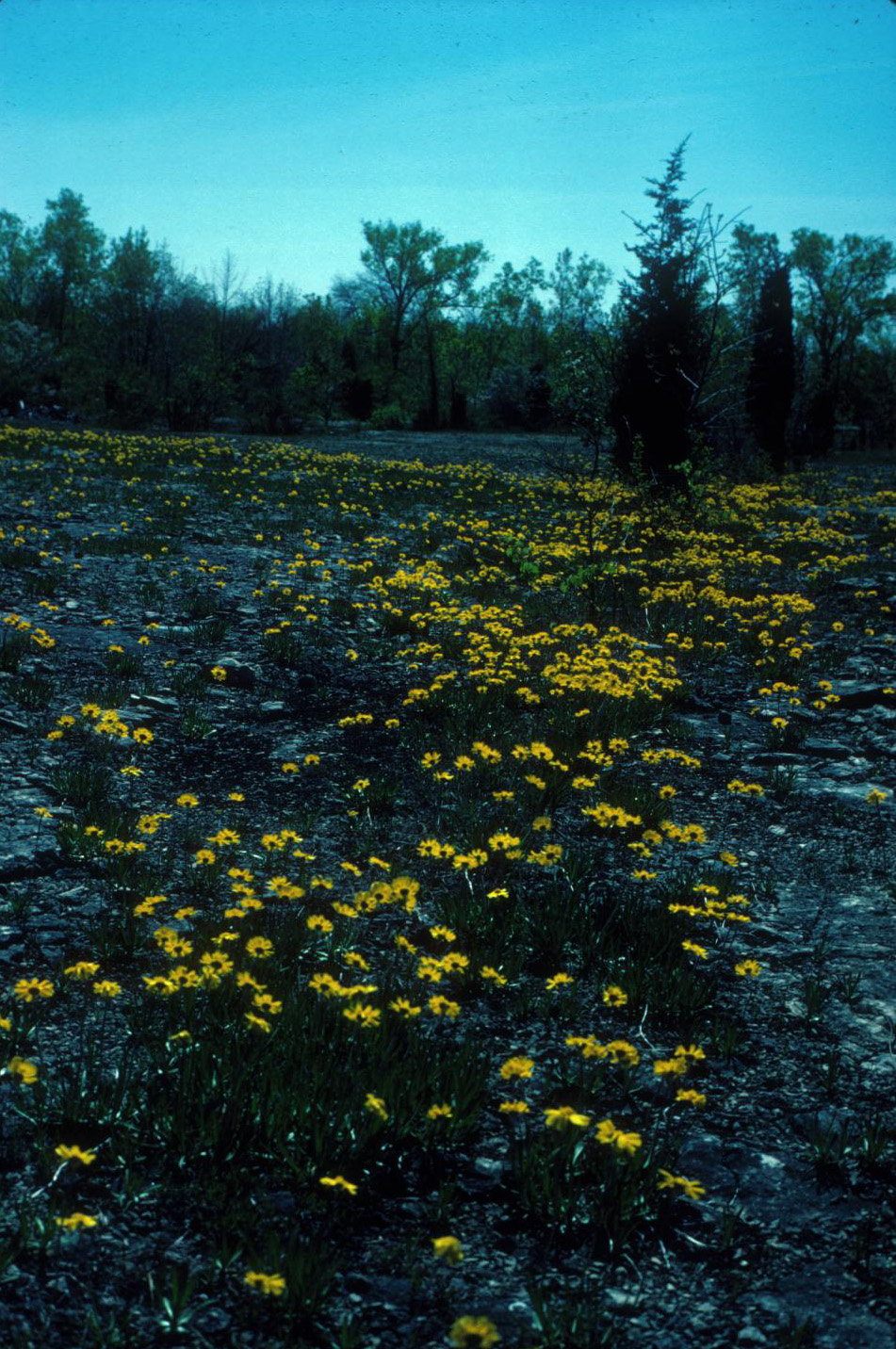

https://en.wikipedia.org/wiki/Tetraneuris_herbacea
https://commons.wikimedia.org/wiki/Category:Tetraneuris_herbacea
...