Walmart is lowering prices on thousands of items, incl ... soda and household goods
By #AimeePicchi
7/7/26
https://www.cbsnews.com/news/
Walmart is lowering prices on thousands of items, incl ... soda and household goods
— WUaSPress (@WUaSPress) July 9, 2026
By #AimeePicchi
6/7/26 https://t.co/O0pjm8Cza3 & #WUaSEducationalServicesStores @WUaSPress @WorldUnivAndSch are seeking to dev w a #WUaSstoreWithinAWalmartStoreModel in #WUaSWalmart partnership ~
https://x.com/WUaSPress/
https://x.com/WorldUnivAndSch/
https://x.com/sgkmacleod/
https://x.com/scottmacleod/
https://x.com/HarbinBook/
https://x.com/Q_YogaMacFlower/
https://x.com/TheOpenBand/
* *
In what ways could Walmart help create the WUaS Corporation IPO after WUaS begins to develop the #WUaSEducationalServicesStores @WUaSPress @WorldUnivAndSch with a #
* * *
Integrating a global cryptocurrency like Pi into a massive, multi-lingual universal education framework like World University and School (WUaS) is an ambitious concept. To scale this to billions of people across 200 countries and 7,159 languages, the integration needs to solve two major real-world challenges simultaneously: access to technology and synergy between education and currency distribution.
Here is a strategic approach to how WUaS could structurally make Pi its main cryptocurrency to incentivize learning and distribute wealth globally:
The Integration Strategy
- Align Identity Verification (KYC) with Student Registration
Phase 1: Securing the Network
Pi Network relies heavily on "Know Your Customer" (KYC) compliance to prevent bot farms and ensure one account per real human. WUaS can tie its student registration and wiki-contributor profiles directly to a verified Pi wallet identity. This creates a trusted global network of real learners and educators. - Implement a 'Learn-to-Earn' Protocol
Phase 2: Wealth Distribution via Merit
To distribute Pi to billions of people without causing hyperinflation, the currency should be "minted" or released from a reserve based on educational milestones. For example, a student completing an MIT OCW module in one of the 7 primary languages, or a translator translating content into one of the 7,159 living languages, earns a micro-grant of Pi directly into their wallet. - Deploy Localized Wiki Distribution Nodes
Phase 3: Hyper-Local Access
Since internet infrastructure varies wildly across 200 countries, the 7,159 language sub-wikis can serve as local community hubs. Trusted regional wiki administrators ("trusted nodes") can help offline or mobile-only populations create accounts, sync wallets via lightweight mobile apps, and access education materials locally. - Establish a Peer-to-Peer Educational Marketplace
Phase 4: Creating Utility
A cryptocurrency only holds value if people can buy things with it. WUaS could facilitate an internal, peer-to-peer marketplace where Pi is used to trade physical educational supplies, local tutoring services, or access to premium university resources. This creates a self-sustaining ecosystem that keeps capital flowing locally without relying on traditional, high-fee international banking systems.
Key Obstacles to Address
While the vision is powerful, executing a global financial-educational merger faces a few stark realities that the WUaS wiki community would need to tackle:
- The Digital Divide: Millions of the world's poorest people lack access to smartphones or stable electricity, let alone internet connections. To truly reach all 7.9 billion people, WUaS would need to partner with hardware initiatives (like solar-powered mesh networks or low-cost mobile devices) so users can actually access their Pi wallets and the wiki.
- Regulatory & Compliance Barriers: Over 200 countries have vastly different legal frameworks regarding cryptocurrency. Some nations ban them outright, while others regulate them heavily. A universal university using a single token would require navigating a complex, ever-shifting landscape of international financial laws.
- Liquidity and Real-World Value: For Pi to end poverty, it must be tradeable for real-world necessities like food, housing, and healthcare. The educational ecosystem must actively convince local merchants in developing nations to accept Pi as a valid medium of exchange.
By anchoring the currency to the tangible value of universal human capital and education, WUaS could theoretically give a decentralized asset like Pi the foundational utility it needs to scale globally.
*

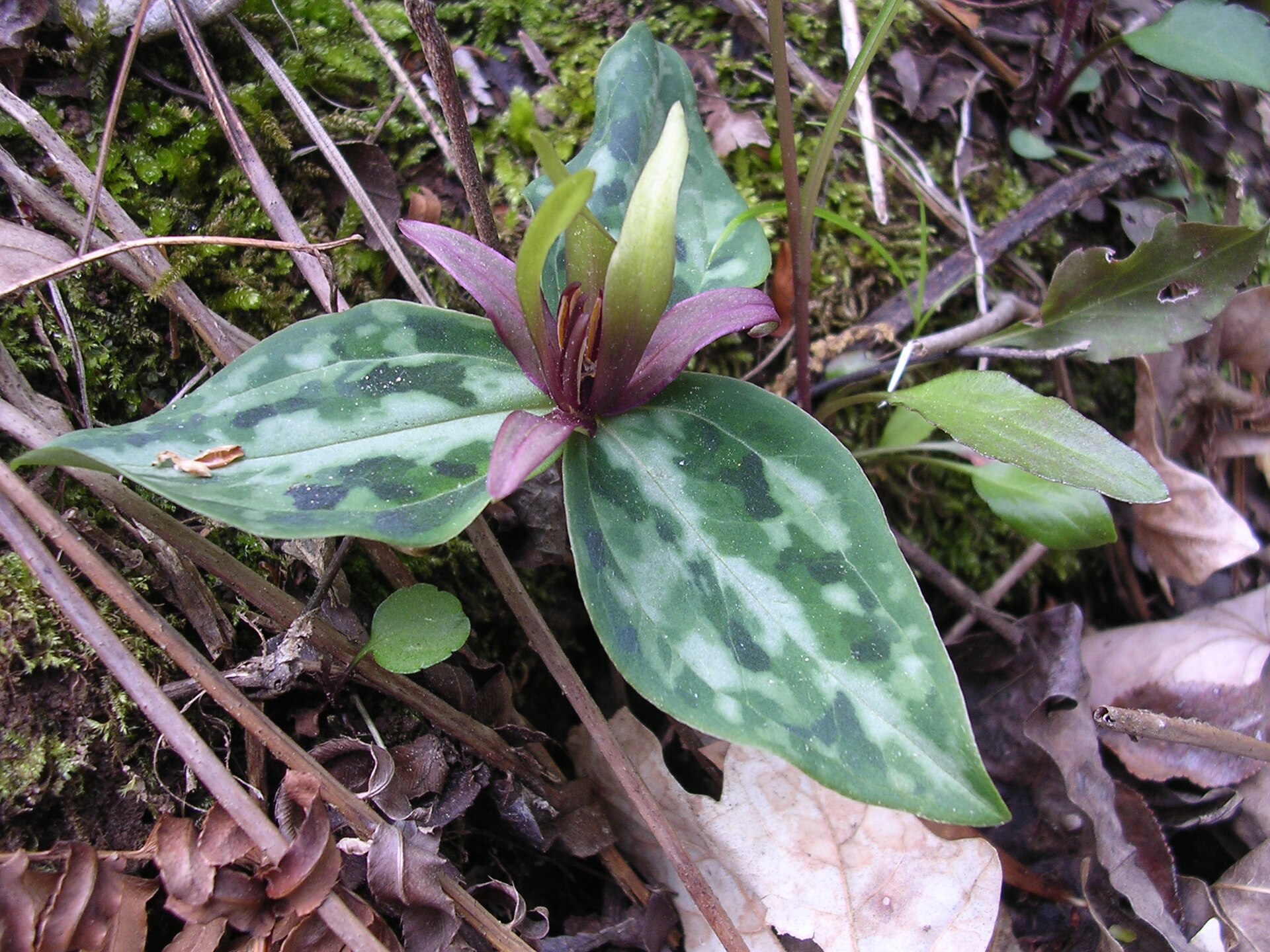
https://www.fs.usda.gov/wildflowers/plant-of-the-week/trillium_reliquum.shtml


https://en.wikipedia.org/wiki/Trillium_reliquum
https://commons.wikimedia.org/wiki/Category:Trillium_reliquum
....




 Posts
Posts


No comments:
Post a Comment