Saturday, September 26, 2015

Beech trees: Open Band Berkeley (@TheOpenBand) - SCOTTISH COUNTRY DANCING - Animation ... Scottish Country Dancing at World University, The BBBS aka the Bees also known as the bees knees but not the beetles - new name?


Open Band Berkeley (@TheOpenBand) - SCOTTISH COUNTRY DANCING - Animation ...


{ANIMATION SEEMS TO BE VISIBLE IN SAFARI BROWSER ONLY ~
http://scott-macleod.blogspot.com/2015/09/beech-trees-open-band-berkeley.html}


https://twitter.com/TheOpenBand


https://blogger.googleusercontent.com/img/b/R29vZ2xl/AVvXsEjlOXmNVjdNNdu3KmpKzLnbJYEGR4KrDHb0xiar8aUqymfsA-9pFKvOaYDHl5ZIiK8nUvd02hujY9L7SIZcgOiDEF4A-SrDU75o5Wwy6axce9SE9IexMY2qyIVY5n5twgnurmugYK4YD-L3/w890-h668-no/ ...


https://twitter.com/TheOpenBand ...


The Hit Charade
An algorithm might create a playlist you enjoy, but don’t mistake that for creativity.

By Will Knight on September 22, 2015

http://www.technologyreview.com/review/541471/the-hit-charade/


http://worlduniversity.wikia.com/wiki/Scottish_Country_Dancing


*
Hi BBBS,
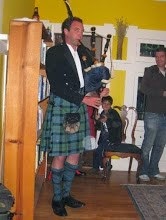
(Betsy, Barbara, Barb and Scott, L-R in the photo above)

L's a great SCD teacher but quite shy

Liking that high lonesome sound I heard in the first tunes  ... how to explore further? ... and for happiness generation? (will listen to more bluegrazs)?

Wanting to get out ny Rise Up Singing to find lyrics for singing with some P&B tunes

Fun to play together ... you 3 are quite good together

Thanks for taking the photos R ... (I'll add them to the Open Band's Twitter if ghat's ok)

Thank you
Scott


*

Hi BBBS & R,That was fun, and thanks again for the BBBS band music-making opportunity ... lots to think about ...

It's a great idea: how best to create a SCD piping tune book for both A and D chanters (for us to play together- )? (A tune book in particular for the Scottish Small Pipe's D chanter - and for making chords that sound good with the SSP drones in A and D - would be invaluable!)

How to write in chord/base lines (perhaps talking with H, P and J)?

How to use the free MuseScore composition software - https://musescore.org/en/download - re BarbaraS's transposition (in whatever software) of James MacLellan's Favourite and Cutting Bracken (and Skyeman's Jig plus other jigs I sent you?)? 6/8 Marches are particularly lyrical to me re the 4/4 PM Tom MacAllister/Links of Forth I shared... will share some favorites with time. They've got a kind of swing or swagger. Does anyone here use MuseScore?

How to compose beautiful harmonizing lines (with chord lines as a reference)? ... and for a kind of chamber folk music even for two violins, flute and small pipe or piano, since we seem to focusing sensibly on legible sheet music.

How to get Jenny Dang, Ale is Dear, High Road to Linton into up to speed to quick time for me?

I'd like to explore unlocking and playing the piano itself next time as well, if possible, in the lower hall - and to open the way to Barbara S having access to a keyboard as well (since I'll have mine with me too). (I'm gradually playing keyboard with my right hand too:)

How to add singing to all of this (perhaps not in SCD itself) as another harmonizing line (and with Rise Up Singing lyrics)?
And thanks for the opportunity to learn by doing, and gradually - and to play with you.
See you Monday :)

Musical cheers,


*


...


Friday, September 25, 2015

River Esk in Eskdale, Cumbria: Postponement of teaching this "social history of the internet course" course and ESL this autumn due to class size - http://worlduniversityandschool.org/InfoTechNetworkSocGlobalUniv.html . But it looks like I'll be assisting / co-teaching this other open "Tourism, Art and Modernity" course using these same "classroom" technologies, namely Harvard's virtual island in SL and Google group video Hangouts, here https://www.academia.edu/s/19ac1100ab beginning later this autumn, if anyone is interested (see, too: http://scott-macleod.blogspot.com/2015/09/crab-tourism-studies-and-virtual.html)


I'm going to postpone teaching this "social history of the internet course" course and ESL this autumn due to class size - http://worlduniversityandschool.org/InfoTechNetworkSocGlobalUniv.html. But it looks like I'll be assisting / co-teaching this other open "Tourism, Art and Modernity" course using these same "classroom" technologies, namely Harvard's virtual island in SL and Google group video Hangouts, here https://www.academia.edu/s/19ac1100ab beginning later this autumn, if anyone is interested (see, too: http://scott-macleod.blogspot.com/2015/09/crab-tourism-studies-and-virtual.html).

I'll also be developing the "Information Technology, the Network Society, and the Global University ~ Course & Syllabus" web page in terms of the global university component with time, including adding online "global university" talks and readings and Hangout opportunities.

In preparing to donate CC World University and School to CC Wikidata, WUaS is hopefully moving from Wikia to Wikidata e.g. Internet Studies here - http://worlduniversity.wikia.com/wiki/Internet_Studies - soonish.

Best,
Scott
https://twitter.com/WorldUnivAndSch


...

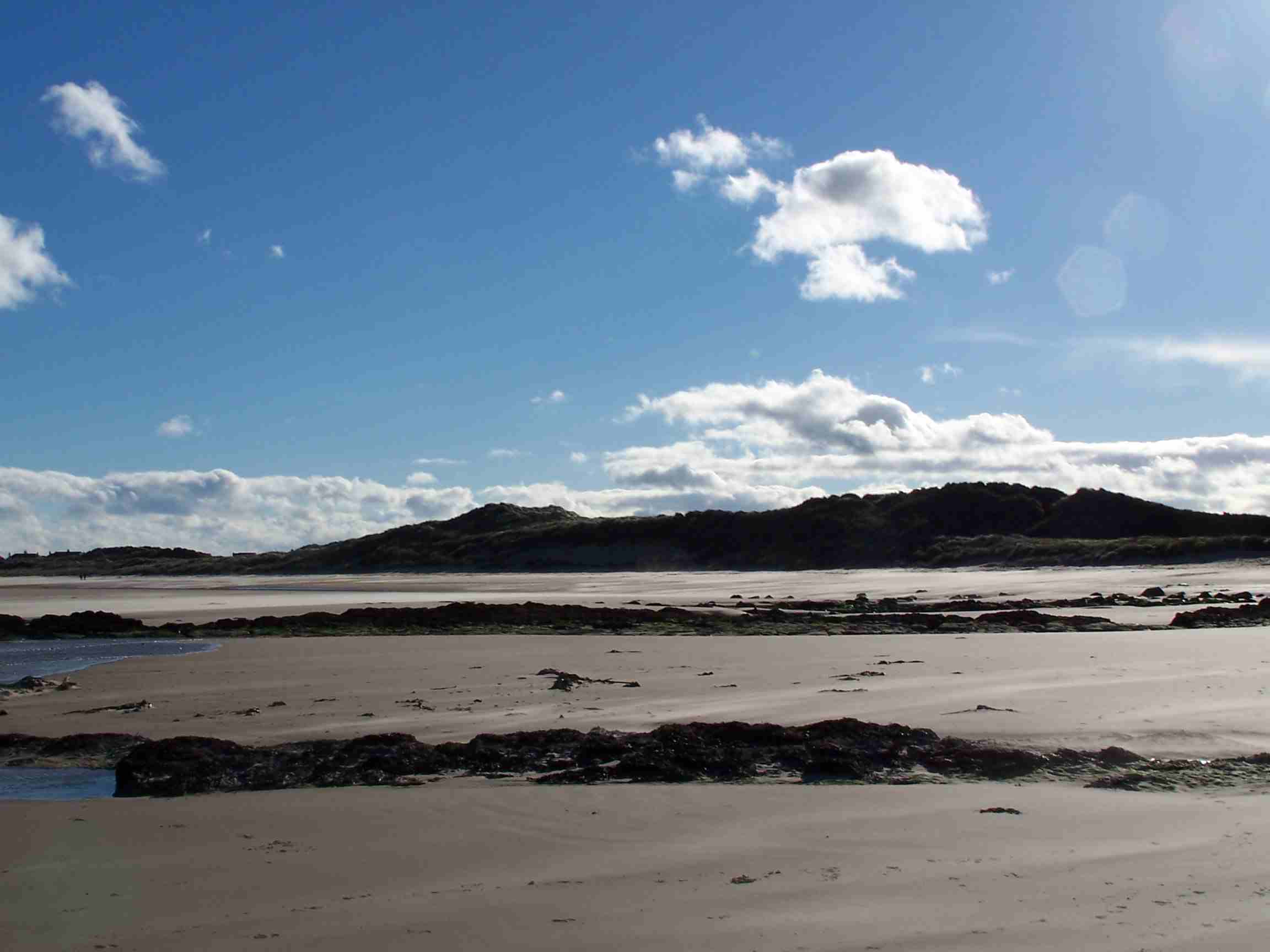
Bamburgh Dunes: Curious to explore recounting Berkeley stories from the 1960s and 70s to music as another innovative thing - inspired a little by Kathryn Tickell's Northumbrian narratives with music.


Could be interesting to share some stories of Berkeley in the 1960s and 70s like Kathryn Tickell telling stories of Northumbria  -

- e.g.

Kathryn Tickell - 'Air Moving'


https://www.youtube.com/watch?v=Zig7QP0LkmU

... and combine Scottish Country Dancing music with rock and roll of the time.

We could tell some pretty far out stories as a kind of little band :)


*
Curious to explore recounting Berkeley stories from the 1960s and 70s to music as another innovative thing - inspired a little by Kathryn Tickell's Northumbrian narratives with music.

... trippy and far out ones too/especially ...


*
A little bit of Northumbrian piping jamming here ... 

https://www.youtube.com/watch?v=uLOntb7KBwI ... thank you, Kate ... To Northumbrian_smallpipes http://worlduniversity.wikia.com/wiki/Northumbrian_smallpipes at World University?

*
Very nice playing ... The Kathryn Tickell Band@Inglenton Folk Weekend 2008
 ...

  https://www.youtube.com/watch?v=_i_i9vSExBk To Northumbrian_smallpipes http://worlduniversity.wikia.com/wiki/Northumbrian_smallpipes at World University?

*
Maddy Prior of Steeleye Span with Kathryn and Peter Tickell, both on fiddle ... https://www.youtube.com/watch?v=bgnAIF8IjNk ... Singing "The Weaver" ... 'tis nice ... To Folk_rock_music at World Univeristy ... http://worlduniversity.wikia.com/wiki/Folk_rock_music


*
What do we have here, Ms. Tickell?
"f-g set, Kathryn Tickell Band
... A bit of an experiment this. Sorry if the sound is crap, but it's a great tune."

... liking the sheepy's head dancing ... https://www.youtube.com/watch?v=lxxly4e8Upo ... To Northumbrian_smallpipes http://worlduniversity.wikia.com/wiki/Northumbrian_smallpipes at World University?


*
I've been adding piping videos I like a lot and related World University and School music subjects / schools here - https://plus.google.com/u/0/+ScottMacLeodMusic/posts - like the above.


...


Thursday, September 24, 2015

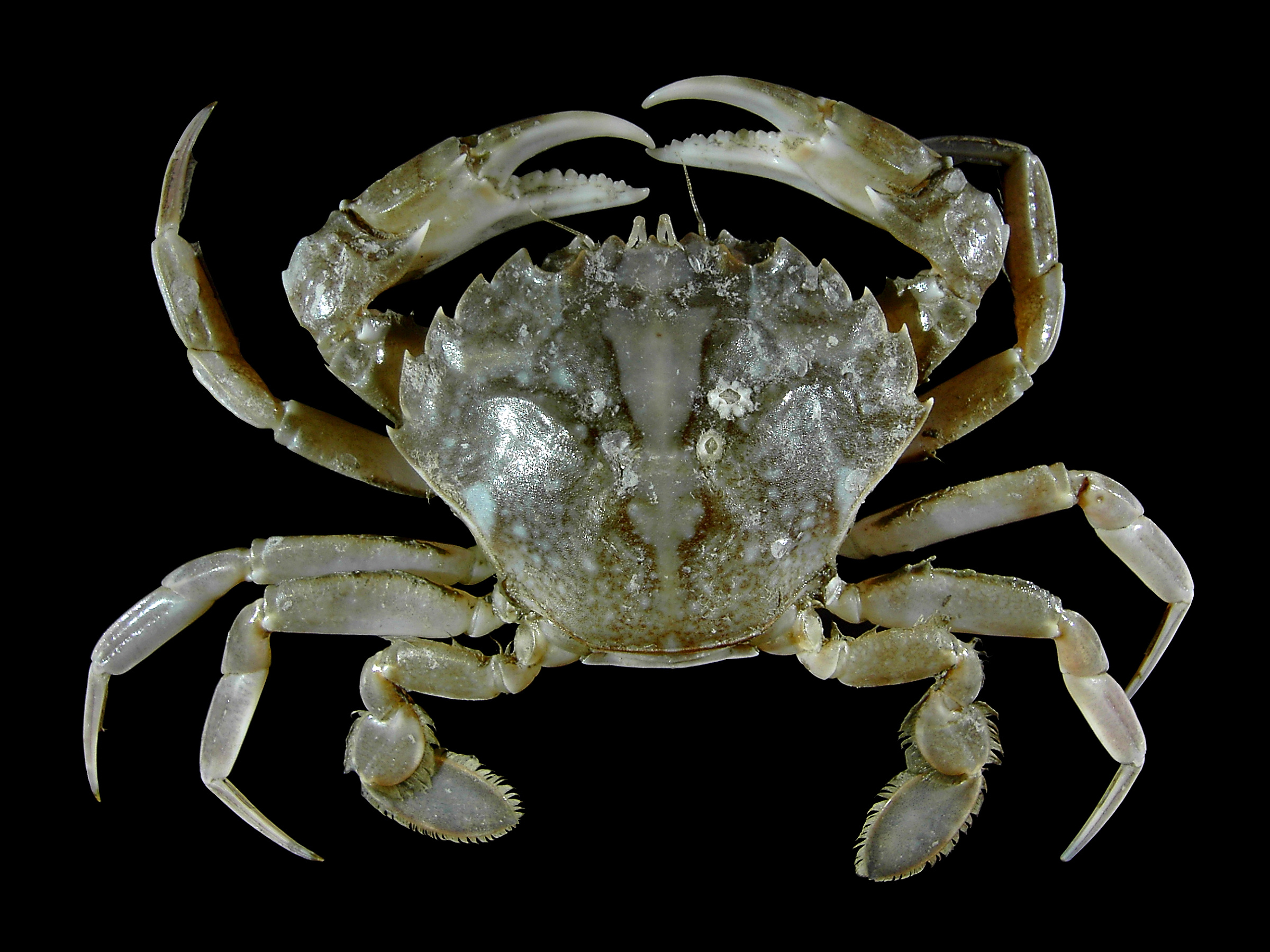
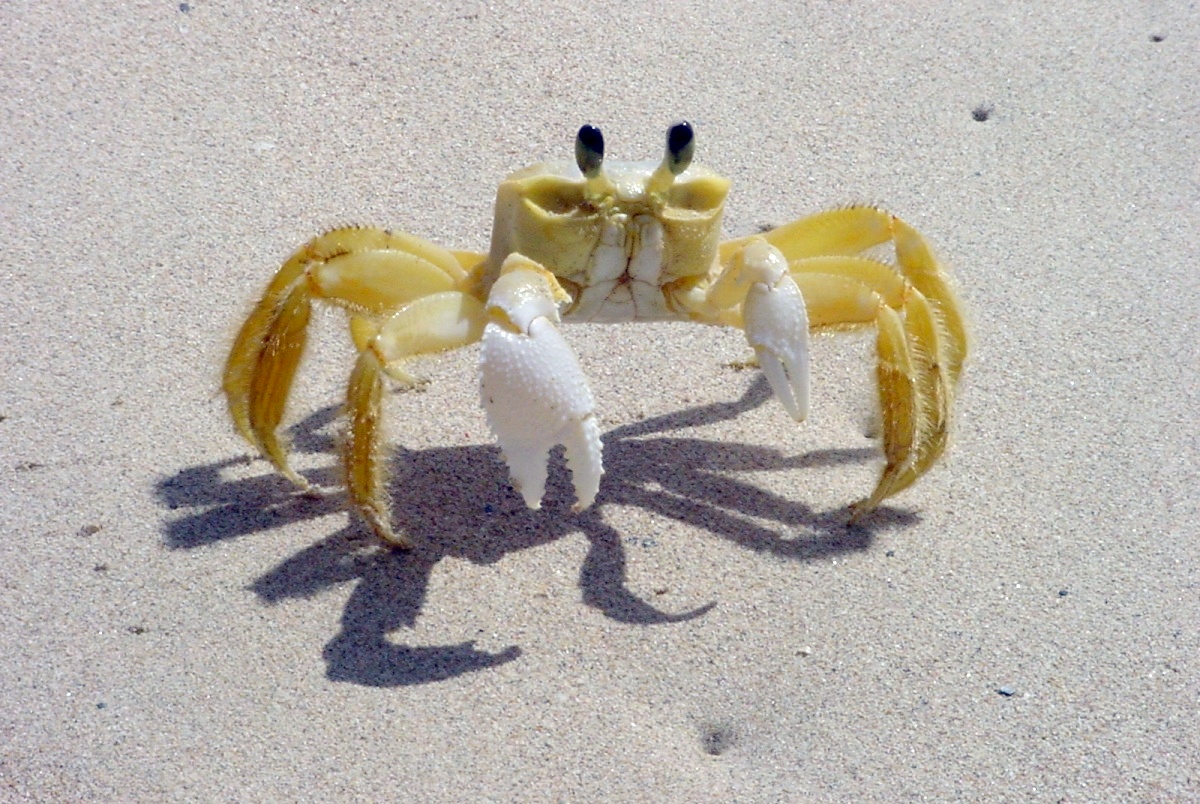
Crab: Tourism studies and virtual research, As a film-realistic 3D interactive build-able virtual earth develops, I hope we as (STEM) researchers will all be able to add our data, pictures, videos, and languages even (and historically too)


Hi Nelson and All,

I'm glad there seems to be a fair amount of interest in an online component to your course - https://www.academia.edu/s/19ac1100ab - this autumn, Nelson and All! If we proceed with this online component in a few weeks, what you'll need is a gmail address and G+ page, as well as an avatar in Second Life which you can get here - secondlife.com/download - and then teleport here - http://maps.secondlife.com/secondlife/Berkman/165/212/25 - (if we want to explore Harvard's virtual island and even build touristic objects, as well).

In terms of my virtual research, Tourism Studies, and this course, check out Harbin Hot Springs' Gate House in Google Street View / Earth / Maps here, and walk down the road to Middletown, California here, for example -

https://www.google.com/maps/place/Harbin+Hot+Springs/@38.785962,-122.651913,3a,75y,3.07h,90t/data=!3m4!1e1!3m2!1sZvCvdrcS5wPenGS_nB4JtA!2e0!4m2!3m1!1s0x0:0xde57c3ab0ecaa2c9!6m1!1e1

- and add some of your photos (I've added a photo here with the name "Helianth"), as Google Street View invites here (or to another part of the world where you do your tourism research) ... and per "ethno-wiki-virtual-world-graphy" (see this label here - http://scott-macleod.blogspot.com/search/label/ethno-wiki-virtual-world-graphy). I'm planning to give a talk about this as method at the Tourism Studies Working Group on Friday, November 6th at 5pm at UC Berkeley in the Gifford Room, and will hopefully broadcast this video in a G+ Hangout too.

Besides publishing our Tourism Studies' papers in journals, we can also post them here - http://worlduniversity.wikia.com/wiki/Tourism_Studies - as wiki.

As a film-realistic 3D interactive build-able virtual earth develops, I hope we as (STEM) researchers will all be able to add our data, pictures, videos, and languages even (and historically too). I think this real-time virtual earth (think Google Street View with SL plus) will become a very important site of Tourism Studies' academic research over time, and comparatively too.

Best, Scott
http://www.scottmacleod.com
https://twitter.com/scottmacleod


*

Hi Nelson, Muzzo, Kathleen, Cecilia, Naomi, Hilary, Cele, I'd like to offer to facilitate access to your seminar online so people can participate in this course from where they are in the world. We could do this a) in Google group video Hangouts (where you could possibly give a talk for the first part of the class, which would be recorded and watched again in this course next year), and possibly also on b) Harvard's virtual island in Second Life with voice and text (where we might even each explore building a "marked site," to use Dean MacCannell's definition, and then visiting each others ' touristic destinations in this 3D interactive virtual world ). To get an idea of one way these interesting interactive "classrooms" would work, please see this course I'm currently teaching online - http://worlduniversityandschool.org/InfoTechNetworkSocGlobalUniv.html - on behalf of World University and School (which has a Tourism Studies' wiki subject page for open teaching and learning - http://worlduniversity.wikia.com/wiki/Tourism_Studies - and for which WUaS hopes to hire graduate students and eventually faculty in the future). As I mentioned in my first post here, I'd like to explore further thinking through my second Harbin book in terms of tourism in your seminar. Would all of you be interested in participating in this course if it were online (as well as taking place at the same time out of the Anthropology department at Berkeley)? Best, Scott

*
Great, Nelson! Thank you. I'm interested in both publishing my actual / virtual Harbin book in the context of your course. Harbin Hot Springs, after its recent devastating fire, lives on virtually in the book I plan to publish soon (I'm indexing it now), and I hope too now that I may be able to add many, many photographs as a anthropological record of "before the fire." And as my first Harbin book gets published (hopefully this autumn 2015 even) - http://www.scottmacleod.com/ActualVirtualHarbinBook.html - I'm hope that I can lay some groundwork for my second virtual Harbin book. I imagine actual Harbin will be rebuilt soon and become very differently beautiful again. Per my "The Making of Virtual Harbin as Ethnographic Field Site - https://youtu.be/3nhvcHw54GE - I hope this well happen realistically, interactively and in 3D for STEM research in Google Earth. I hope this will potentially dovetail beautifully and NEWLY with "The re-making or re-building of actual Harbin" for far-reaching parallel closures and re-openings anthropologically and tourism-wise too. Looking forward to exploring this in your course potentially. Thank you. Scott http://worlduniversityandschool.org/


...


Wednesday, September 23, 2015

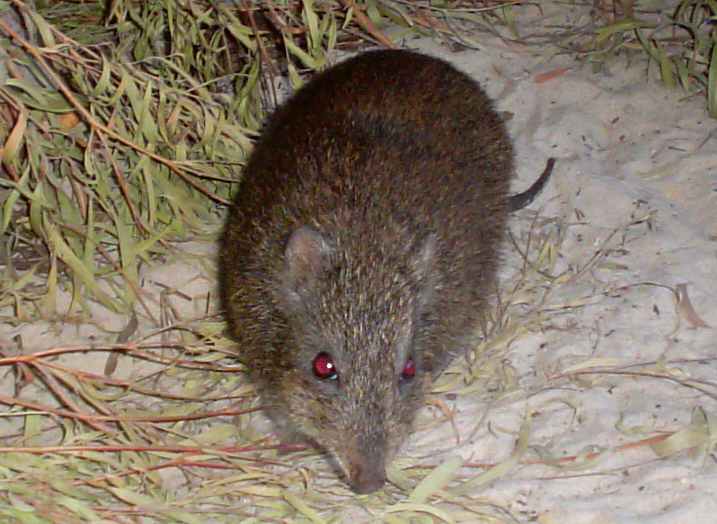
Gilbert's Potoroo: A realistic proposal about preparing to donate CC WUaS to CC Wikidata for their 3rd birthday in late October invitation, World University and School is sending you this because of your interest in free, online, higher education


Dear sporadic Universitians,

I'm very glad to have attended Wikidata open office hours this morning in Freenode (IRC), and for World University and School to have been invited by Lydia at Wikidata to write down a realistic proposal about preparing to donate CC WUaS to CC Wikidata for their 3rd birthday in late October:

i recommend taking the time to write a realistic proposal down in detail."

https://tools.wmflabs.org/meetbot/wikimedia-office/2015/wikimedia-office.2015-09-23-17.01.log.html

This transcript is below (as is the link to the Wikimedia Foundation's Languages Engineering Team video meeting WUaS attended last Wednesday, where we also explored some of these issues), plus much more.

Best, Scott


17:48:23  Thank you for the clarification
17:49:19  more questions?
17:49:30  Lydia_WMDE: how are we going to specify plural words for units?
17:49:31  My hope is that Librarybase will eventually make itself redundant and everything it will contain will be put into Wikidata, but that will depend on what Wikidata will agree to accept.
17:49:32  I have two items/questions: 1) in what ways were Wikidatans here involved in this IBM-Wikipedia recent conversation - http://techcrunch.com/2015/09/21/ibm-watson-wont-be-replacing-humans-any-time-soon/ - “about the accuracy of Wikipedia, the online encyclopedia. In just a few seconds, Watson then reviewed all of the articles on Wikipedia to determine if it was a reliable source or not. After reviewing the body of
17:49:33  evidence, it concluded that it was in fact an accurate source of information”? What was involved in this for Wikidata? dennyvrandecic: the person in the picture besides IBM’s Director of Research Dr. John Kelly looks a little like you? What new code had to be written if any for this project? How easy would it be to extend this to other languages? And 2) …
17:49:57  sjoerddebruin: i'd like us to move to unit symbols instead
17:50:43  Ah, nice.
17:50:49  Everything is better than this.
17:50:57  :)
17:51:02  yeah it's still rough
17:51:18  Where are the unit bot imports!?! :(
17:51:19  Scott_WUaS: no that's not me :)
17:51:22  but i opted for doing a rough version earlier since i know it was holding back wikidata
17:51:30  2) In preparing to make a present of CC wiki World University and School, which is like Wikipedia/Wikidata in 289 languages with best STEM CC OpenCourseWare (e.g. accrediting on CC MIT OCW in 7 languages and CC Yale OYC) and planned in all 7,941+ languages and 257+ countries, for CC Wikidata's third birthday, I'd like to follow with an inquiry about how best to do this in these office hours. I just spoke with the WMF
17:51:30  Languages Engineering Team about this last Wednesday -  https://www.youtube.com/watch?v=nW5l7fNeMQg- and have been in touch also with Magnus Manske
17:51:32  :)
17:51:36  sjoerddebruin: dexbot at least is importing
17:51:43  :O
17:51:55  are unit symbols supposed to be localised?
17:52:40  e.g. with a special item for the symbol or a multilingualtext on the unit's item?
17:53:23  I would make sense if they were
17:53:34  ricordisamoa: supposed to be in our plan you mean? we've not gotten there yet to settle on details
17:53:46  I guess Greeks use lambda and Cyrillic uses their L for liter
17:53:46  ok thx
17:53:54  2) (cont.) This would also involve exploring developing CC MIT OCW in CC Wikipedia/Wikidata (and CC WUaS too). Would it make sense to turn all parts of a MIT OCW course into Wikipedia pages for translation reasons into all 200+ countries’ main langauges?
17:56:22  Scott_WUaS: you're asking this question a lot :) I think no-one has any meaningful answer because it is very vague on what you are actually trying to do and how. i recommend taking the time to write a realistic proposal down in detail.
17:57:16  more questions? we have about 5 minutes left
17:57:18  Lydia_WMDE: Thanks, Lydia! (I hope too WUaS might be a growth story for WMDE for example)
17:57:24  will do
17:57:27  great
17:58:12  ok then i have one:
17:58:27  are you all excited about wikidata's 3rd birthday late next month?
17:58:28  :D
17:58:37  Still making plans for it.
17:58:41 * Lydia_WMDE can't really believe it's 3 years already
17:58:43  yes
17:59:06  What will the online birthday cakes look like ? :) - in javascript ?
17:59:12  haha
17:59:19  we'll see!


-- 

- Scott MacLeod - Founder & President  
- Please donate to tax-exempt 501 (c) (3)
- World University and School
- via PayPal, or credit card, here -
- or send checks to
- PO Box 442, (86 Ridgecrest Road), Canyon, CA 94516
- World University and School - like Wikipedia with best STEM-centric OpenCourseWare - incorporated as a nonprofit university and school in California, and is a U.S. 501 (c) (3) tax-exempt educational organization. 

World University and School is sending you this because of your interest in free, online, higher education. 


*


...


Tuesday, September 22, 2015

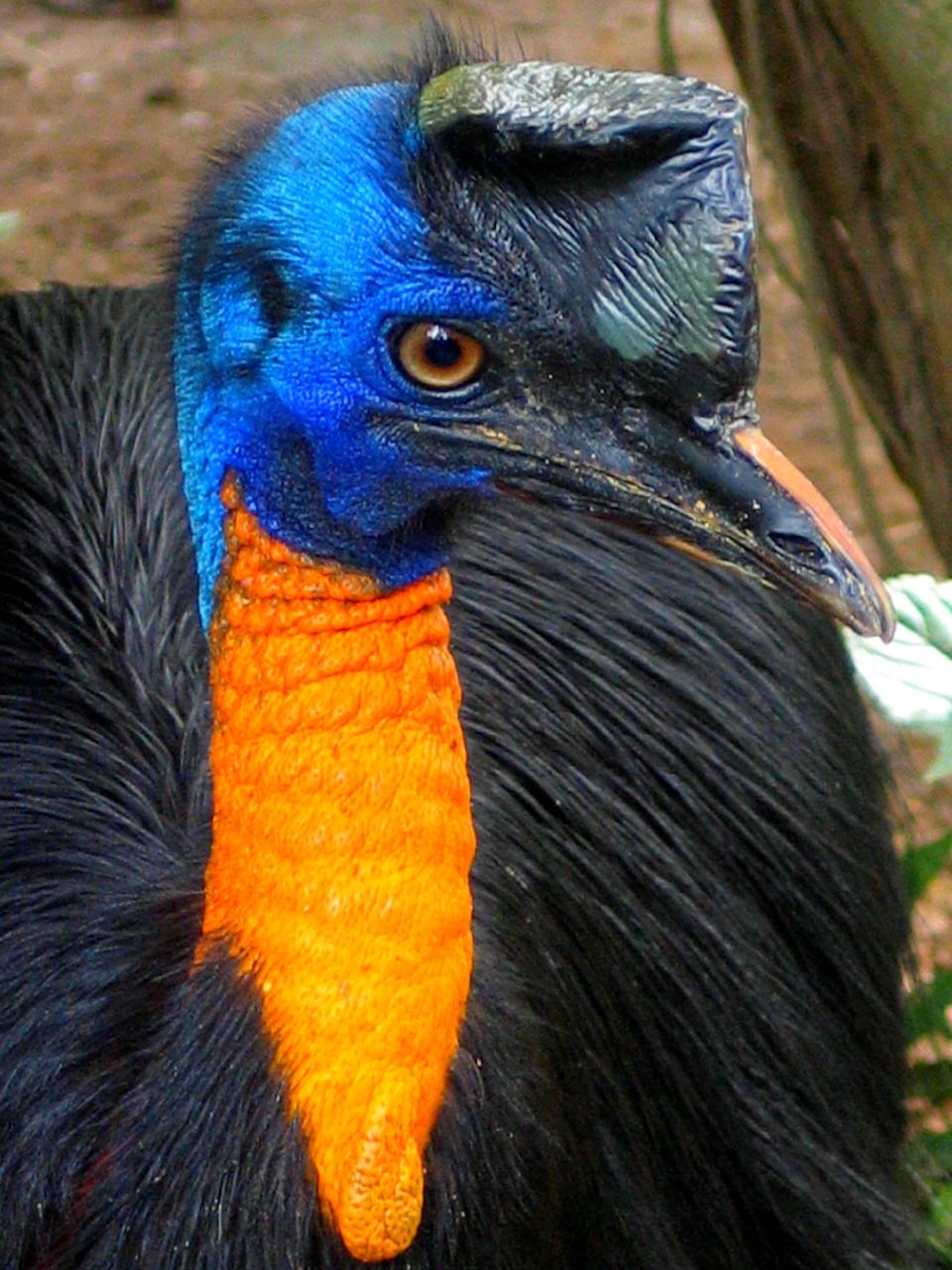
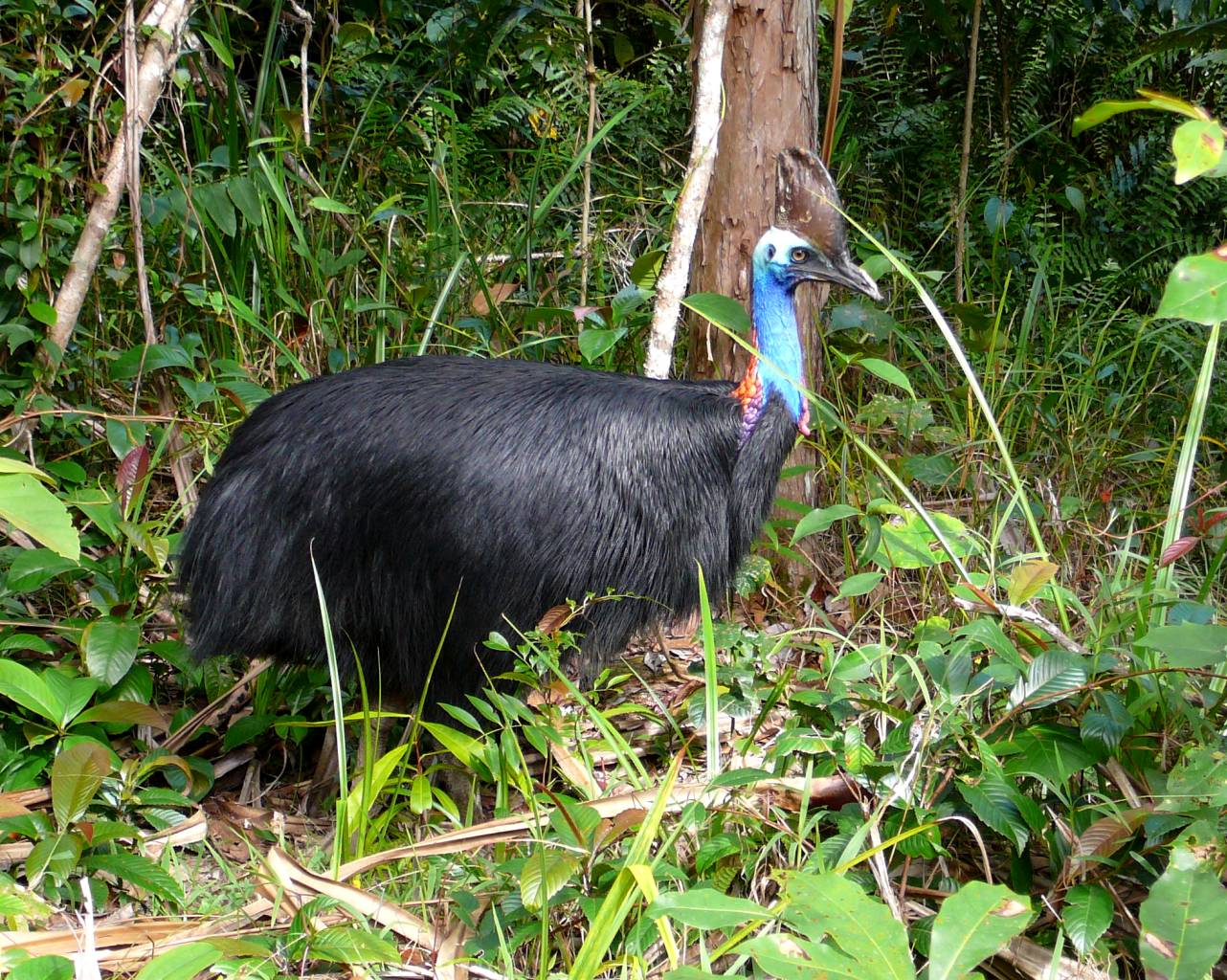
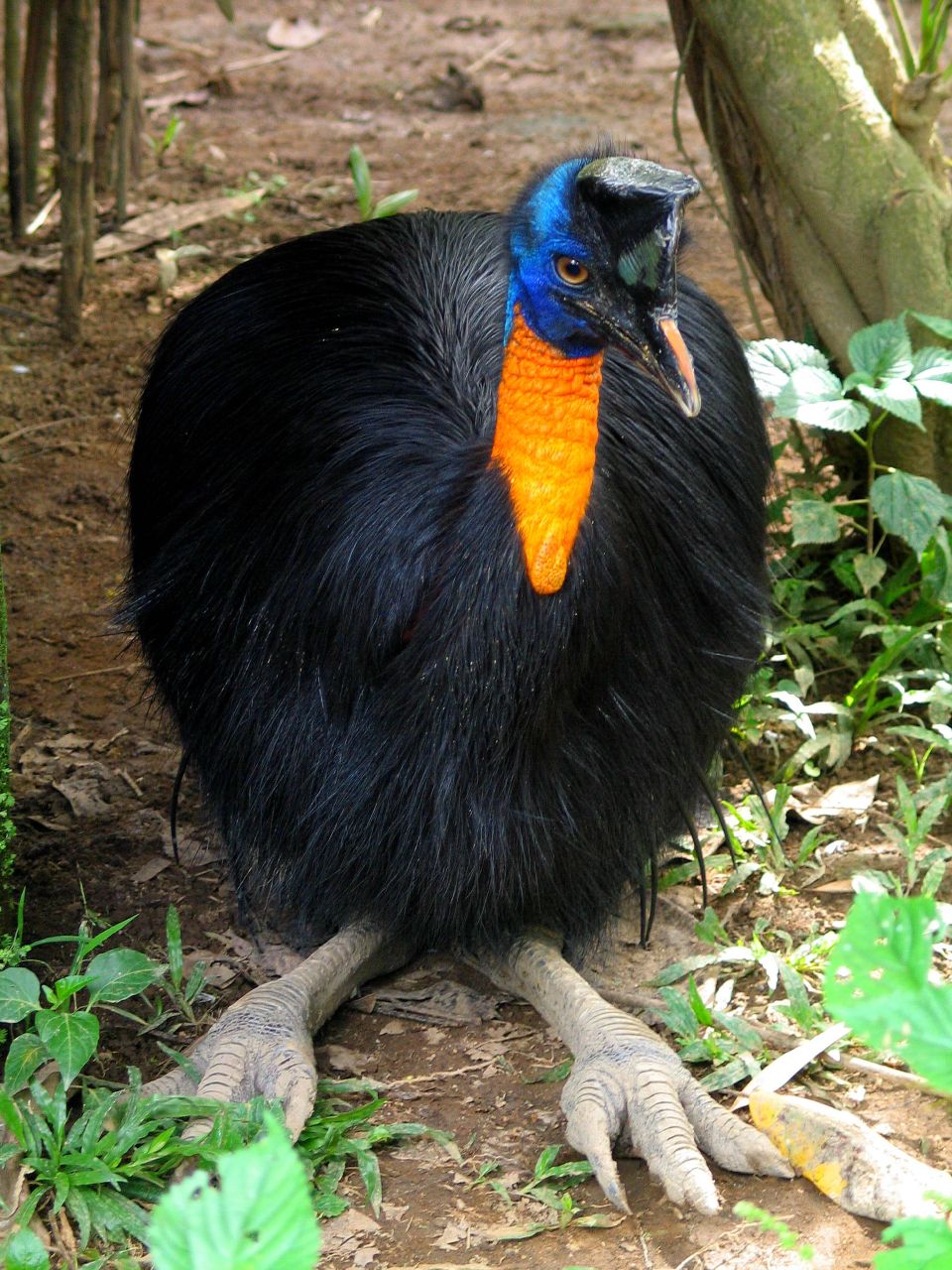
Southern Cassowary: Wikimedia Foundation Language Engineering Team, Thanks - a truly universal translator will be far-reaching especially if it's CC and robust - that's World University's plan and goal, Apertium and MediaWiki Content Translation, All online museums in all languages, In preparing to donate CC WUaS to Wikidata, World University would like to explore developing this in Wikidata.


Hi Liam, 

Nice to meet and talk with you (and all) earlier today with the  Wikimedia Foundation Language Engineering Team 

Great and informative Wikimedia Foundation Language Engineering Team conversation for Wikipedia translation now in 289 languages today .... I enjoyed participating in this meeting and mentioning preparing to give CC World University and School - 
http://worlduniversityandschool.org - to Wikidata re translation, best STEM CC OCW (CC MIT OCW in 7 languages and CC YALE OYC) and potentially for ALL 7941 languages - 
http://worlduniversity.wikia.com/wiki/Languages -
and even possibly a universal translator - 
http://worlduniversity.wikia.com/wiki/WUaS_Universal_Translator - too. Thank you WMF Language Engineering online team!

I'm curious whether you Liam think a CC Universal Translator might be possible - 
https://plus.google.com/+ScottMacLeodRainbow/posts/XZkqXrjMt5p - emerging out of this group in part? What do you think - and with Europeana? 

Best regards,
Scott


Hi Scott, 

I think that if you can manage to create a truly universal translator, not only will you be a very rich man and nobel-prize winner, you'll have moved humanity into the StarTrek age!
In the mean time, the Wikimedia Language Engineering team uses Apertium https://www.apertium.org/ as the inbuilt Machine Translation service within the Content Translation Tool that they build. https://www.mediawiki.org/wiki/Content_translation
This is the only truly open source machine translation system out there (google translate, by contrast is free, but not open). I suggest you might want to get in touch with Apertium therefore, because they're always looking for more people to help add languages to their system. 

Best, 
Liam


*
Hi Liam, 

Thanks - a truly universal translator will be far-reaching especially if it's CC and robust - that's World University's plan and goal.

I enjoyed your 2010 Wikipedia video here - https://www.youtube.com/watch?v=i6tAnFqYMvo . Concerning your museum focus in this video, here too is the main CC WUaS's Museums' wiki page - http://worlduniversity.wikia.com/wiki/Museums as a kind of template - planned for wiki-aggregating all museums with some free open online content, and potentially in all 7941+ languages / 257+ countries, and then planning to add this content to a film-realistic interactive 3D CC virtual earth (paralleling Google Street View / Earth / SL / Open Sim), and with linked open data. And in preparing to donate CC WUaS to Wikidata, World University would like to explore developing this in Wikidata.

Thanks too for the information about CC Apertium, World University and School will probably explore getting in touch with Apertium after we donate WUaS to Wikidata and then develop a further road map for CC WUaS's Universal Translator. 

Thanks and regards,
Scott

*

Dear Runa and Magnus (and Liam, Len and Larry), 

Thaanks for a great WMF Language Engineering online meeting https://www.youtube.com/watch?v=nW5l7fNeMQg on Wednesday. Magnus, you were mentioned in this video conference a number of times, so I'm including you in this email as well, as a key and innovative Wikidata tool developer. 

In preparing to make a present of CC wiki World University and School, which is like Wikipedia in 289 languages with best STEM CC OpenCourseWare (e.g. accrediting on CC MIT OCW in 7 languages and CC Yale OYC) and planned in all 7,941+ languages and 257+ countries, for CC Wikidata's third birthday, I'd like to follow with an inquiry about how best to do this with the WMF Language Engineering team. 

I'm curious too to explore how best to develop CC MIT OCW in CC Wikipedia/Wikidata, if as Pau Giner seemed to suggest in the video conference, that turning all these into Wikipedia pages might make less sense that working with these pages as they currently are directly in Wikidata, if possible - and similarly with CC World University and School's 720 wiki pages. 

I don't have WMF Language Engineering Team members Pau, Santhosh's or Nikolas's emails for example to follow up with them about this either. I'm also including a Wikipedian, Len Tower, in Somerville, Massachusetts, who has edited the Wikipedia MIT OCW page some, and may know that community, and Larry Viehland, who is working on CC World University and School with me. Both Len and Larry went to MIT at the same time in Cambridge, MA, in the late 1960s and know each other a little. As MIT graduates Len and Larry may be able to facilitate working with CC MIT OCW in Wikidata as well. 

Since many of you are experienced Wikipedians I'm writing also to inquire how you would suggest best developing MIT OpenCourseWare  in Wikipedia/Wikidata and especially on the educational side of Wikipedia?

World University's intention to make it easier to enjoy MIT OCW in its 7 languages and to explore extending MIT OCW's ~ 2300 courses in English in Wikidata into all its 289 languages if at all possible, and with machine learning and artificial intelligence in Wikidata as well. We'd like to get in touch with the Wikipedia OpenCourseWare community in addition to the Languages' engineering team about this further as well. if possible. Runa and Magnus, what is the best way to develop CC MIT OpenCourseWare's 7 languages and CC World University' 720 pages in Wikipedia/Wikidata's 289 languages, and especially on the educational side of Wikipedia?


The WMF Languages Engineering team and Wikidata are impressive and growing organizations, and Wikidata is an amazing development in general, and I'm a relative newby to all of this - and am seeking to learn some Wikidata ways in the process of sending this inquiry to you. Thank you. 

Best regards,


*


...


Monday, September 21, 2015

Pelecanus erythrorhynchos: Re our conversation about music, theorizing learning, and practicing, now I may return to R.C. theory


Very nice to talk, Barbara,

Re our conversation about music, theorizing learning, and practicing, now I may return to R.C. theory to learn some ideas about how further to engage some of our ideas in terms of my wanting to play daily to musically generate loving bliss neural cascades of pleasure and how to learn this by playing practicing doing in addition to improving musical skill levels enjoyably :)

Musical cheers (and for our conversation too),
Scott


*
Hi Barbara,

Re I went to this RC theory site -

https://www.rc.org/publication/theory/contents -

and to items 10 and 12 -


and appreciate the thinking insights I read here.

Re Freedom, I'd like to choose enjoyment in practicing as well as in raising monies for World University to pay salaries before October 1.

And re Learning - "The learning process is accelerated by the learner being liked, receiving lots of approval, having successes, having aware closeness with other people, playing, and discharge being encouraged" - I'd like to have the monies for private music lessons and to really connect with my instructor, as well as possibly also instruct in these ways.

Getting monies for WUaS especially to pay a salary by October 1 is highest on my list. It would be great to talk further about both of these.

Thank you.

Sincerely,
Scott


*
Hi Barbara,

What RC theory from this - https://www.rc.org/publication/theory/contents - or from other sources would you find helpful re our conversation about learning musical practicing?

Best,
Scott


*
Hi Barbara,

What do you think about RC's premise which seems to be that discharging stress via talking is a key place for co-counselors to begin? I like to think theoretically, in a sense, and asking about a premise like this and then seeing what unfolds from this RC-wise and therapeutic logic-wise has merit in my thinking when exploring how I might learn to practice a musical instrument with great enjoyment, - an interesting goal, for me (and starting to earn money soon, if possible re WUaS). What might be some of your goals in regards to these music-RC questions?

Just printed the music for Monday:) off to play both instruments ... appreciating being able to write this to you - in language.

Regards,
Scott

*
Hi Barbara,

From a different theoretical perspective, reevaluation counseling-wise, "abidance" distress (in terms of RC discharging distress) - see John Money's Concepts of Determinism - http://scottmacleod.com/anthropology/determinism.htm - isn't something touched on in RC theory.

Theory and ideas matter to me ... How to integrate these RC ideas and John Money's Concepts of Determinism theories ... in terms of a kind of RC approach to co-counseling is an interesting question? (for me)

RC to understand approaches to developing eliciting great happiness when practicing as well as technique, and RC to develop approaches to financial issues with a startup?

Hmm ... nice to talk yesterday ... and see you tomorrow evening, where music-making as we do on Mondays is already kind of working for practicing and making music in a low key copacetic (in excellent order) way ...

Musical regards,

Scott


*


...


Sunday, September 20, 2015

Indian giant squirrel: WUaS IBM's communication about translation and universities


Hi Helena, Ben and Jim, 

Thanks for your email, Helena, and for IBM's communication about translation and universities. I'm including Dr. Jim Spohrer in this email as Director of IBM Global University, and with whom I've come into conversation in my ISSIP (IBM) presentation on an Universal Translator - (blog post: http://scott-macleod.blogspot.com/2015/03/orchidaceae-wuas-1000-proposed-issip.html and Audio: https://drive.google.com/open?id=0B-LefvPi_EioVWRHT25Bd0NQU0U and PDF: https://drive.google.com/open?id=0ByxZB8Nmtcj0SjZrRTcyTWdHRFk) . 

In terms of IBM as for-profit organization and specifics about languages as markets, Creative Commons' licensed World University and School is planning profit-oriented revenue streams in the context of our CC Universal Translator - but anticipating also that commerce and for-profit companies will want to use and define/develop this Universal Translator too. 

In terms of multiple languages' translation and developing machine learning, WUaS's 

a) Academic Press -

b) online Bookstore -
is also planned for all 7,941 languages, and all in the context of developing  

c) a CC Universal Translator -


One case study example/way to think further about this would be how to set up the information technologies in terms of the human factor to translate an academic text into many languages with machine translator e.g. my actual/virtual Harbin ethnographic book - http://www.scottmacleod.com/ActualVirtualHarbinBook.html - and then improve on these machine translators with human translators, as well as improve the machine translators themselves in the process, and then sell it in multiple languages. And then how to extend this to 100s or 1000s or 10s or 100s of thousands of books a year in the 1000 largest languages, with the same quality or "perfection" of finished copy that so many academic books these days exhibit?

So, translating textbooks in Automotive, Energy, Healthcare, Financial and in All industries for learning purposes would be part of this - and for sale - and potentially an important revenue-generating focus for a for-profit company's machine learning translation such as IBM's. And World University is planning Bachelor and Ph.D. business degrees in all countries' main languages accrediting upon for example CC MIT OpenCourseWare Sloan School of Management OCW - http://ocw.mit.edu/courses/sloan-school-of-management/ - and potentially in 7 languages - http://ocw.mit.edu/courses/translated-courses/ and eventually in many more languages, creating markets for textbooks.

If Creative Commons' licensed WUaS can start building a new prototype in CC Wikidata/Wikipedia in 288 languages this autumn for students applying, and for matriculating students in 2016, we'll probably first develop in Spanish and Chinese in addition to English, of the UN / MIT OCW languages, and of which there are especially many CC MIT OCW translated courses - http://ocw.mit.edu/courses/translated-courses/ . So Spanish and Chinese would be the initial languages of focus for academic book translation as well. 

The human factor that World University seeks to add to this machine translation process is in the matriculating students in all countries' main languages, and in the 1000 largest languages, who might all also become developers of machine translation and of related text books for academia. 


So in terms of the specifics and planning, WUaS seeks to add the human factor in all languages to great machine learning translation, and into a WUaS plan for improving existing machine learning translators, anticipating further developing machine learning and AI. And the Creative Commons's / non CC articulation would be an important part of this plan. 

Looking forward to your thoughts about this further in email and perhaps we chat as well in real time. 

In what ways might CC World University and School best contribute to possibly helping to planning with IBM for non-CC translation of academic textbooks into large languages and for sale? 

Thank you. 

Best regards, 
Scott