Spread the word about World University & School ~
worlduniversity.wikia.com/wiki/World_University
It's open.
It's free.
It's on the internet now.
You can teach here.
You can learn here.
It has content from great universities and schools.
It has pragmatic teaching and learning content.
It's potentially in all languages.
It's potentially in all nation states.
It's potentially in all subjects.
It's potentially at all levels.
You can add to World University & School.
It's for One Laptop per Child countries especially, and for everyone.
It offers infinite, creative opportunities for idea sharing.
Teaching and Learning can take place in virtual worlds like Second Life.
Teaching and Learning can take place via video.
Teach and Learn in any way you create.
Explore teaching and learning eliciting loving bliss, naturally, for example, or whatever you like.
There's great, FREE 'Educational Software' here, and so much more.
Teach to your web camera at World University & School!
Enjoy!
Spread the word about the open World University & School.
It's a treat :)
(http://scott-macleod.blogspot.com/2009/10/amazon-river-system-spread-word-about_31.html - October 31, 2009)
Saturday, October 31, 2009


Friday, October 30, 2009
Golden Flax Seed: Benefits of Enough Sleep and Wellness Practices, Contact Improv, Called Quaker Silent Meeting
The benefits of enough sleep and wellness practices: diet - e.g. low-fat ovo-lacto vegetarian and/or 5-9 servings or fruits, grains, vegetables, and legumes, and exercise - are great for health, and thus well-being. And a very low-fat diet and exercise can REVERSE heart disease. This was clinically proven by Dean Ornish M.D. in the 1990s.
Flax seed oil for omega fatty acids, for for example, in my experience, harmonize and brighten, and lessen anxiety.
*
I like contact improvisation dance jams for movement, exercise improvisation-exploration and jamming ...
Hiking is great, as well.
**
There's a called Quaker silent meeting on Monday, November 2, 2009 at 11 am EST for the American Friends' Service Committee.
Dear Friends and Colleagues,
Next Monday AFSC will be starting a new chapter as a much leaner organization. We want to bring the AFSC community together to hold in the Light this precious organization. We also want to hold in the Light members of our Board, Corporation, Committees, Volunteers, and Staff who remain as well as those who have departed.
We invite you to gather for one hour at 11:00 AM EST on November 2 for a Called Meeting for Worship. We will have a telephone conference call available for those who want to worship with the entire community for an initial period. The dial-in information is below. We will gather together in silent worship as a community for
10 minutes, after which we will hold each other in the Light and continue to worship in our various locations.
Please join us and feel free to share this with others who care about AFSC and invite them to join us.
In friendship,
Paul Lacey, Clerk of the Board
Mary Ellen McNish, General Secretary
(http://scott-macleod.blogspot.com/2009/10/golden-flax-seed-benefits-of-enough.html - October 30, 2009)
Flax seed oil for omega fatty acids, for for example, in my experience, harmonize and brighten, and lessen anxiety.
*
I like contact improvisation dance jams for movement, exercise improvisation-exploration and jamming ...
Hiking is great, as well.
**
There's a called Quaker silent meeting on Monday, November 2, 2009 at 11 am EST for the American Friends' Service Committee.
Dear Friends and Colleagues,
Next Monday AFSC will be starting a new chapter as a much leaner organization. We want to bring the AFSC community together to hold in the Light this precious organization. We also want to hold in the Light members of our Board, Corporation, Committees, Volunteers, and Staff who remain as well as those who have departed.
We invite you to gather for one hour at 11:00 AM EST on November 2 for a Called Meeting for Worship. We will have a telephone conference call available for those who want to worship with the entire community for an initial period. The dial-in information is below. We will gather together in silent worship as a community for
10 minutes, after which we will hold each other in the Light and continue to worship in our various locations.
Please join us and feel free to share this with others who care about AFSC and invite them to join us.
In friendship,
Paul Lacey, Clerk of the Board
Mary Ellen McNish, General Secretary
(http://scott-macleod.blogspot.com/2009/10/golden-flax-seed-benefits-of-enough.html - October 30, 2009)
Thursday, October 29, 2009
Two Birds of Paradise: Harbin Baths ... MMmmm ...
Harbin baths ...
MMmmm ... :)
(http://scott-macleod.blogspot.com/2009/10/two-birds-of-paradise-harbin-baths.html - October 29. 2009)
MMmmm ... :)
(http://scott-macleod.blogspot.com/2009/10/two-birds-of-paradise-harbin-baths.html - October 29. 2009)
Wednesday, October 28, 2009
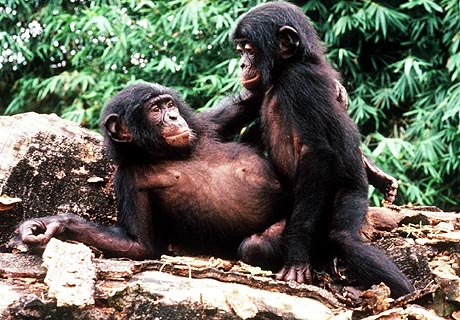
Bonobo Together: Nontheist Friends, Dalton Letter, Learning from Higher Primates, Funny and Edifying Bonobo Researcher
Here's a recent email I sent to a nontheist Friends' email list:
Nontheist Friends,
You might enjoy my Friends' Dalton Letter where I mention 7 species of higher primates (Homo sapiens, two species of chimps, two species of orangutans, and two species of gorillas) here - scottmacleod.com/daltonletter.htm.
I see the primatological research literature about the other higher primates closest to us as edifying narratives (but only as narratives vis-a-vis 'fact,' since homo sapiens probably split 5-7 million years ago from lines that became chimpanzees, I think, and primate research is still young), and possibly important ones, not often considered as part of Quaker or more general discourse. I think it's how we learn from these other species (I'm most interested in Bonobo - Pan paniscus - and data is just beginning to accumulate) which is fascinating. Bonobo, for example, appear to be peaceful, egalitarian, matriarchal, and very sexual, which seems to have been shaped by natural selection over millions of years, and thousands of generations. The first two narratives - peaceful and egalitarian ones - seem to echo Friends' testimonies. How might nontheist Friends, in particular, learn further from these species, in the way that Friends are often open to learning from people who are different from themselves by listening, which is based a culture of respect for all?
And here's a proposal about ways in which we might learn from higher
primates that can use sign language and communicate otherwise in language: webnographers.org/index.php?title=Ethno-wiki-virtual-world-graphy. I'm curious about your thoughts about this.
Lastly, you might enjoy this funny and edifying TED Talk by a Bonobo researcher in Georgia: youtube.com/watch?v=a8nDJaH-fVE
With friendly greetings,
Scott
scottmacleod.com
*
This leads to the privileging of a whole array of different narratives, based on the natural world. These have not often been considered in many (religious) traditions, and are fascinating, relevant and very edifying. Such primate narratives could easily
encompass and supersede theistic and other religious narratives.
Scott
http://scottmacleod.com
http://worlduniversity.wikia.com/wiki/World_University
**
I wonder if as-of-yet unexplored ethno-wiki-virtual-world-graphy as method - webnographers.org/index.php?title=Ethno-wiki-virtual-world-graphy & scott-macleod.blogspot.com/search/label/ethno-wiki-virtual-world-graphy - could be the basis of a comparative, developing conversation between homo sapiens and other language-using higher primates, about such questions. I wonder, too, what primate researchers Sue Savage-Rumbaugh, Frans de Waal and Jane Goodall and the myriad of primatological researchers at universities around the world, for example, would say about these questions of connectedness. Among humans there is a very wide variety of nontheistic beliefs (from rigorous, analytic philosophy, Willard van Ormine Quine's "The Web of Belief," Richard Rorty's Neo-Pragmatist philosophy, Richard Dawkins' evolutionary biological atheism, to, by contrast, vis-a-vis religious beliefs, William James' "The Varieties of Religious Experience," to Huston Smith's "World Religions"). I can think of few examples of what you call 'emergence' or explicit 'nontheistic friendliness' in my readings of the primatological literature, although language-learning by primates (e.g. sign language and logographs) may be just this, in its own Promethean way.
And "What canst thou say?" I think we're seeing what nontheistic friends are saying here. :)
Are we coded for certain kinds of behaviors, just as labrador retrievers seem to be coded for kindness, as a breed, for example (as are species of higher primates)? See for example - scott-macleod.blogspot.com/2008/10/world-university.html (October 7, 2008 - the picture here is great:) about labrador retrievers. In what ways can we humans learn? Can we humans learn kindness and thoughtfulness, as well as peacefulness, simplicity, integrity, & love and happiness? In what ways can primates learn? They obviously can learn language, which some thought impossible (See the TED Talk, for one; Koko is another example). Can higher primates learn other aspects of social interaction? Could common chimps learn to become Bonobo?
With friendly greetings,
Scott
(http://scott-macleod.blogspot.com/2009/10/bonobo-together-nontheist-friends.html - October 28, 2009)
Nontheist Friends,
You might enjoy my Friends' Dalton Letter where I mention 7 species of higher primates (Homo sapiens, two species of chimps, two species of orangutans, and two species of gorillas) here - scottmacleod.com/daltonletter.htm.
I see the primatological research literature about the other higher primates closest to us as edifying narratives (but only as narratives vis-a-vis 'fact,' since homo sapiens probably split 5-7 million years ago from lines that became chimpanzees, I think, and primate research is still young), and possibly important ones, not often considered as part of Quaker or more general discourse. I think it's how we learn from these other species (I'm most interested in Bonobo - Pan paniscus - and data is just beginning to accumulate) which is fascinating. Bonobo, for example, appear to be peaceful, egalitarian, matriarchal, and very sexual, which seems to have been shaped by natural selection over millions of years, and thousands of generations. The first two narratives - peaceful and egalitarian ones - seem to echo Friends' testimonies. How might nontheist Friends, in particular, learn further from these species, in the way that Friends are often open to learning from people who are different from themselves by listening, which is based a culture of respect for all?
And here's a proposal about ways in which we might learn from higher
primates that can use sign language and communicate otherwise in language: webnographers.org/index.php?title=Ethno-wiki-virtual-world-graphy. I'm curious about your thoughts about this.
Lastly, you might enjoy this funny and edifying TED Talk by a Bonobo researcher in Georgia: youtube.com/watch?v=a8nDJaH-fVE
With friendly greetings,
Scott
scottmacleod.com
*
This leads to the privileging of a whole array of different narratives, based on the natural world. These have not often been considered in many (religious) traditions, and are fascinating, relevant and very edifying. Such primate narratives could easily
encompass and supersede theistic and other religious narratives.
Scott
http://scottmacleod.com
http://worlduniversity.wikia.com/wiki/World_University
**
I wonder if as-of-yet unexplored ethno-wiki-virtual-world-graphy as method - webnographers.org/index.php?title=Ethno-wiki-virtual-world-graphy & scott-macleod.blogspot.com/search/label/ethno-wiki-virtual-world-graphy - could be the basis of a comparative, developing conversation between homo sapiens and other language-using higher primates, about such questions. I wonder, too, what primate researchers Sue Savage-Rumbaugh, Frans de Waal and Jane Goodall and the myriad of primatological researchers at universities around the world, for example, would say about these questions of connectedness. Among humans there is a very wide variety of nontheistic beliefs (from rigorous, analytic philosophy, Willard van Ormine Quine's "The Web of Belief," Richard Rorty's Neo-Pragmatist philosophy, Richard Dawkins' evolutionary biological atheism, to, by contrast, vis-a-vis religious beliefs, William James' "The Varieties of Religious Experience," to Huston Smith's "World Religions"). I can think of few examples of what you call 'emergence' or explicit 'nontheistic friendliness' in my readings of the primatological literature, although language-learning by primates (e.g. sign language and logographs) may be just this, in its own Promethean way.
And "What canst thou say?" I think we're seeing what nontheistic friends are saying here. :)
Are we coded for certain kinds of behaviors, just as labrador retrievers seem to be coded for kindness, as a breed, for example (as are species of higher primates)? See for example - scott-macleod.blogspot.com/2008/10/world-university.html (October 7, 2008 - the picture here is great:) about labrador retrievers. In what ways can we humans learn? Can we humans learn kindness and thoughtfulness, as well as peacefulness, simplicity, integrity, & love and happiness? In what ways can primates learn? They obviously can learn language, which some thought impossible (See the TED Talk, for one; Koko is another example). Can higher primates learn other aspects of social interaction? Could common chimps learn to become Bonobo?
With friendly greetings,
Scott
(http://scott-macleod.blogspot.com/2009/10/bonobo-together-nontheist-friends.html - October 28, 2009)
Monday, October 26, 2009
Rough Blazing Star: Quakers and Business Meetings, Consensus Decision-Making, World University and School, Economic Model
Hi All,
Here's a Forbes Magazine article on Quakers and Business Meetings. I'd like to engage some aspects of these Consensus Decision-Making processes for World University and School, potentially virtually. (Please get a Second Life avatar - http://secondlife.com - to participate in World University and School :)
Doing Business The Quaker Way
Mark Lewis, 10.09.09, 02:42 PM EDT
Office meetings might be more effective if the participants emulated
the Society of Friends.
Imagine filing into the conference room for a business meeting, only to find the other participants sitting there in thoughtful silence. If someone has something to say, they stand up and speak; then others take their turn. No one ever interrupts. When a person finishes having his say, the silence resumes until someone else is moved to speak. No authority figure presides over the meeting, no vote is taken, and there is no agenda.
That's how Quakers run their meetings, whether they have gathered for worship or to conduct the congregation's business. If their methods sound eccentric, consider this: In centuries past, Quaker meetings produced decisions that shaped the course of capitalism. Given the poor-quality decisions emerging from corporate conference rooms these days, a revival of Quaker methods may be long overdue.
"I think that managers can adapt certain elements and the guiding spirit of the Quaker business meeting to their purposes," said Margaret Benefiel, a Boston-based management consultant and the author of Soul at Work: Spiritual Leadership in Organizations.
Those elements include "a quiet, reflective frame of mind, mutual respect, [and] the idea that no one person has all the truth, but must listen deeply to others to gain a fuller picture of the truth," said Benefiel, who is a Quaker herself, and teaches at Massachusetts' Andover Newton Theological School when she is not advising managers.
Quakers are more properly known as The Society of Friends, which comprises not one organization but many. Each meeting house sets its own procedures. But they are all egalitarian. Quakers have no priesthood or hierarchy and defer to no human authority figures.
The faith was born in England during the 17th century. Persecuted for their beliefs, Quakers banded together for self-protection, forming communities and networks based on mutual trust. Supported by those communities and empowered by those networks, Quakers invented new ways of doing business. (At least one of their innovations is still with us: the traveling salesman.) Indeed, author David K. Hurst locates the cradle of capitalism in the little town of Coalbrookdale, England, where Quaker manufacturers like Abraham Darby forged the iron sinews of the Industrial Revolution.
During early Quaker meetings, "the business activities of their members were scrutinized by their peers, not only for their soundness but also to ensure that the interests of the broader community--not just the Quakers--were protected," says Hurst, a management consultant based in Oakville, Ontario, who wrote about Quaker business methods in his book Crisis and Renewal: Meeting the Challenge of Organizational Change. The Quaker congregation "would stand behind the activities of members who were in good standing, and if one of them got into trouble, they would supervise the liquidation of the business and make good the deficit."
Quakers soon crossed the ocean to Nantucket, which they made into the world capital of whaling, and to Philadelphia, where they planted the seeds of America's own Industrial Revolution. Bethlehem Steel (BHMMQ.OB - news - people ), for example, was founded by the innovative Quaker entrepreneur Joseph Wharton, who also endowed the world's first collegiate business school at the University of Pennsylvania.
These days, the Wharton School is not known for propagating Quaker business techniques, and most people associate Quakers more with oatmeal or activist organizations like Greenpeace. But Quaker business methods are not necessarily obsolete; they have merely fallen into disuse, which is not quite the same thing.
In their meetings, Quakers do not let anyone impose a decision on the group. Instead, they wait for a consensus to emerge from a free and open discussion.
Probably the most distinctive feature of the Quaker meeting is that it begins and ends in silence. This approach may not lend itself easily to a corporate conference room.
"I suppose that on a very small scale, if you are trying to get people who already trust each other somewhat to express real concerns or come up with different ideas, it can help to think about starting a meeting without an agenda and in silence," Hurst says. "The pressure of silence is immense, so you can't just spring it on an unsuspecting group. They have to know its coming and what the objective is. A complete change in physical context from the office environment might help too."
Hurst, a non-Quaker, says he admires the Friends' theology and their community-oriented business methods. But he notes that modern corporations long ago grew too big to be managed the Quaker way.
"Huge scale undermines innovation and entrepreneurship and our ability to control our own creations," he said. "Unless we can make our large, complex organizations a lot smaller, we cannot hope that modern board meetings will ever resemble their Quaker counterparts."
Nevertheless, some firms may feel that they have little to lose by experimenting with Quaker methods. After all, most managers already spend much of each day in meetings that seem like a complete waste of time. These meetings may be conducted "efficiently" in that they plow through a long agenda and produce decisions for each item. But as those early Quakers knew, efficiency is not necessarily the same thing as effectiveness.
"Studies show that half of management decisions fail," Benefiel said. "Quaker practices can help managers make better decisions."
(http://www.forbes.com/2009/10/09/quaker-business-meetings-leadership-society-friends.html)
And further thoughts on Business Meetings from Forbes:
http://www.forbes.com/2009/10/08/meetings-conferences-management-leadership-meetings_land.html
*
See this blog entry for further ideas about how consensus decision-making works {consensus decision-making process}: scott-macleod.blogspot.com/2009/09/orangutan-in-water-consensus-decision.html (September 18, 2009)
**
Native Forbs:
Liatris aspera
nababutterfly.com/Photos/Painted%20lady%20Rough%20blazing%20star%28Liatris%20aspera%2956.jpg
mortonarb.org/images/stories/advice/latesummeraplants/11_Rough_Blazing_Star.jpg
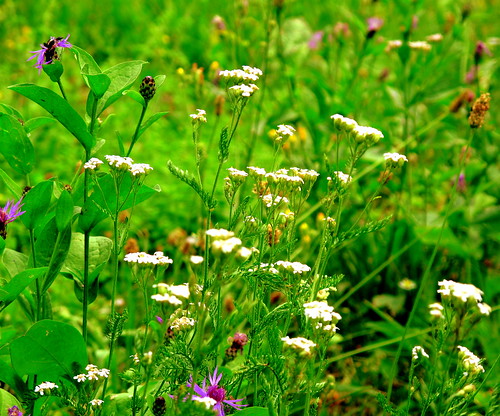
Rough Blazing Star
(http://scott-macleod.blogspot.com/2009/10/rough-blazing-star-quakers-and-business.html - October 26, 2009)
Here's a Forbes Magazine article on Quakers and Business Meetings. I'd like to engage some aspects of these Consensus Decision-Making processes for World University and School, potentially virtually. (Please get a Second Life avatar - http://secondlife.com - to participate in World University and School :)
Doing Business The Quaker Way
Mark Lewis, 10.09.09, 02:42 PM EDT
Office meetings might be more effective if the participants emulated
the Society of Friends.
Imagine filing into the conference room for a business meeting, only to find the other participants sitting there in thoughtful silence. If someone has something to say, they stand up and speak; then others take their turn. No one ever interrupts. When a person finishes having his say, the silence resumes until someone else is moved to speak. No authority figure presides over the meeting, no vote is taken, and there is no agenda.
That's how Quakers run their meetings, whether they have gathered for worship or to conduct the congregation's business. If their methods sound eccentric, consider this: In centuries past, Quaker meetings produced decisions that shaped the course of capitalism. Given the poor-quality decisions emerging from corporate conference rooms these days, a revival of Quaker methods may be long overdue.
"I think that managers can adapt certain elements and the guiding spirit of the Quaker business meeting to their purposes," said Margaret Benefiel, a Boston-based management consultant and the author of Soul at Work: Spiritual Leadership in Organizations.
Those elements include "a quiet, reflective frame of mind, mutual respect, [and] the idea that no one person has all the truth, but must listen deeply to others to gain a fuller picture of the truth," said Benefiel, who is a Quaker herself, and teaches at Massachusetts' Andover Newton Theological School when she is not advising managers.
Quakers are more properly known as The Society of Friends, which comprises not one organization but many. Each meeting house sets its own procedures. But they are all egalitarian. Quakers have no priesthood or hierarchy and defer to no human authority figures.
The faith was born in England during the 17th century. Persecuted for their beliefs, Quakers banded together for self-protection, forming communities and networks based on mutual trust. Supported by those communities and empowered by those networks, Quakers invented new ways of doing business. (At least one of their innovations is still with us: the traveling salesman.) Indeed, author David K. Hurst locates the cradle of capitalism in the little town of Coalbrookdale, England, where Quaker manufacturers like Abraham Darby forged the iron sinews of the Industrial Revolution.
During early Quaker meetings, "the business activities of their members were scrutinized by their peers, not only for their soundness but also to ensure that the interests of the broader community--not just the Quakers--were protected," says Hurst, a management consultant based in Oakville, Ontario, who wrote about Quaker business methods in his book Crisis and Renewal: Meeting the Challenge of Organizational Change. The Quaker congregation "would stand behind the activities of members who were in good standing, and if one of them got into trouble, they would supervise the liquidation of the business and make good the deficit."
Quakers soon crossed the ocean to Nantucket, which they made into the world capital of whaling, and to Philadelphia, where they planted the seeds of America's own Industrial Revolution. Bethlehem Steel (BHMMQ.OB - news - people ), for example, was founded by the innovative Quaker entrepreneur Joseph Wharton, who also endowed the world's first collegiate business school at the University of Pennsylvania.
These days, the Wharton School is not known for propagating Quaker business techniques, and most people associate Quakers more with oatmeal or activist organizations like Greenpeace. But Quaker business methods are not necessarily obsolete; they have merely fallen into disuse, which is not quite the same thing.
In their meetings, Quakers do not let anyone impose a decision on the group. Instead, they wait for a consensus to emerge from a free and open discussion.
Probably the most distinctive feature of the Quaker meeting is that it begins and ends in silence. This approach may not lend itself easily to a corporate conference room.
"I suppose that on a very small scale, if you are trying to get people who already trust each other somewhat to express real concerns or come up with different ideas, it can help to think about starting a meeting without an agenda and in silence," Hurst says. "The pressure of silence is immense, so you can't just spring it on an unsuspecting group. They have to know its coming and what the objective is. A complete change in physical context from the office environment might help too."
Hurst, a non-Quaker, says he admires the Friends' theology and their community-oriented business methods. But he notes that modern corporations long ago grew too big to be managed the Quaker way.
"Huge scale undermines innovation and entrepreneurship and our ability to control our own creations," he said. "Unless we can make our large, complex organizations a lot smaller, we cannot hope that modern board meetings will ever resemble their Quaker counterparts."
Nevertheless, some firms may feel that they have little to lose by experimenting with Quaker methods. After all, most managers already spend much of each day in meetings that seem like a complete waste of time. These meetings may be conducted "efficiently" in that they plow through a long agenda and produce decisions for each item. But as those early Quakers knew, efficiency is not necessarily the same thing as effectiveness.
"Studies show that half of management decisions fail," Benefiel said. "Quaker practices can help managers make better decisions."
(http://www.forbes.com/2009/10/09/quaker-business-meetings-leadership-society-friends.html)
And further thoughts on Business Meetings from Forbes:
http://www.forbes.com/2009/10/08/meetings-conferences-management-leadership-meetings_land.html
*
See this blog entry for further ideas about how consensus decision-making works {consensus decision-making process}: scott-macleod.blogspot.com/2009/09/orangutan-in-water-consensus-decision.html (September 18, 2009)
**
Native Forbs:
Liatris aspera
nababutterfly.com/Photos/Painted%20lady%20Rough%20blazing%20star%28Liatris%20aspera%2956.jpg
mortonarb.org/images/stories/advice/latesummeraplants/11_Rough_Blazing_Star.jpg
Rough Blazing Star
(http://scott-macleod.blogspot.com/2009/10/rough-blazing-star-quakers-and-business.html - October 26, 2009)
Saturday, October 24, 2009
Spiro: Growing a Cornucopia of Teachers at World Univ & Sch, Web cam teaching, Translation from Youtube into any Language?
How might World University & School give birth to a cornucopia of teachers, teaching, learning and engagement with ideas?
Web cam teaching: worlduniversity.wikia.com/wiki/World_University for emergent One Laptop Per Child languages to Web?
Each language becomes an open teaching and learning wiki, and as languages come online, this will be especially helpful, I think.
How to grow community? And community as engaged, intelligent and interested in ideas as, for example, at Stanford University?
The web makes this possible ...
*
Vis-a-vis Google Wave, developing database information technologies like Semantic Wiki, and Google Translator together, I'd love to be able to hear what a Japanese lecturer on haiku says about haiku, and then converse directly with him. In what ways will Google Wave help develop translation technologies, and improve this possibility for all?
(http://scott-macleod.blogspot.com/2009/10/spiro-growing-cornucopia-of-teachers-at.html - October 24, 2009)
Web cam teaching: worlduniversity.wikia.com/wiki/World_University for emergent One Laptop Per Child languages to Web?
Each language becomes an open teaching and learning wiki, and as languages come online, this will be especially helpful, I think.
How to grow community? And community as engaged, intelligent and interested in ideas as, for example, at Stanford University?
The web makes this possible ...
*
Vis-a-vis Google Wave, developing database information technologies like Semantic Wiki, and Google Translator together, I'd love to be able to hear what a Japanese lecturer on haiku says about haiku, and then converse directly with him. In what ways will Google Wave help develop translation technologies, and improve this possibility for all?
(http://scott-macleod.blogspot.com/2009/10/spiro-growing-cornucopia-of-teachers-at.html - October 24, 2009)
Friday, October 23, 2009
Field Flowers: World University and School as Free, Public Option Worldwide, Beat Poetry and Gerard Manley Hopkins from Memory
World University and School ~
Here are more of my posts from Twitter to Facebook, and Facebook alone ...
http://WorldUniversity.wikia.com as a free 'Public Option' in world
education? Let's create it together ... The US doesn't have open, free
University education - although the U.S. has free, open education
through high school ...
would like to bring together Semantic Wiki with Google Wave, especially vis-a-vis Translators at "Edit this Page" worlduniversity.wikia.com
seeking Friendly-oriented recording clerk / secretary, digitally, for minutes with some exp w consensus decision-making for worlduniversity.wikia.com
added Scotslanguage.com to World University & School's Scottish Gaelic: worlduniversity.wikia.com/wiki/Languages where you can Teach, Learn & Add Resources
Modeling the earth in virtual worlds like Second Life? When will we have this? I'd like for people in virtual WILDERNESS AREAS at worlduniversity.wikia.com to be able to openly, freely and extraordinarily Teach & Learn. Virtual Wilderness Areas? Oxymoronic as it is ... open skies in virtual worlds are great, and for teaching and learning (interactive idea exchange) especially ...
The 2009 Solar Decathlon! ~ solardecathlon.org/virtual_tours :) - Great ideas. Also, Art Haines' solar car: youtube.com/watch?v=M0JNohHaqM4
Added Aeschylus, Euripides and Sophocles REMARKABLE Video Productions (BBC) worlduniversity.wikia.com/wiki/Ancient_Greece & Greek Tragedies
added new "Ideas (Academic)" section to World Univ & Sch Library Resources with TED Talks ~ worlduniversity.wikia.com/wiki/Library_Resources
added Wikibooks (online flex textbooks) to World Univ & Sch - worlduniversity.wikia.com/wiki/Library_Resources#Online_Textbooks Edit Invite
Jimmy Wales on Wikipedia - TED Talk - "Jimmy Wales: How a ragtag band created Wikipedia" - youtube.com/watch?v=WQR0gx0QBZ4&NR=1
Looking for great videos on how to best (& inspirationally) structure 52 weeks, for example, of musical instrument lessons for worlduniversity.wikia.com
Might some Wikipedia editors also become worlduniversity.wikia.com editors? - They're a lot of Subjects to teach and learn - and already up, too.
World Univ & Sch is an open 'Edit this Page' wiki - like Wikipedia with MIT Open Course Ware - worlduniversity.wikia.com Check out youtube.com/edu
World Univ & Sch, like Wikipedia w MIT Open Course Ware is homeschooling ABUNDANT - for the self-oriented learner worlduniversity.wikia.com
A friend added abt 15 Civil Engineering talks to worlduniversity.wikia.com/wiki/Subjects World Univ & Sch will thrive through CONVERSATION - http://worlduniversity.wikia.com/wiki/Civil_Engineering
doesn't see that many worker-owned cooperatives these days - Just found a new one in the SF Bay Area in Oakland Arizmendi's Bakery
Let's make World Univ & Sch beautiful, as well ~light web design and teach this, too :) worlduniversity.wikia.com, like Wikipedia w MIT OCW
how to complement all the time we spend online with extraordinary opportunities for Teaching & Learning - worlduniversity.wikia.com Add Teach Learn
subscribe to MIT Open Course Ware's monthly newsletter at ocw@mit.edu, a remarkable resource, & Teach at & Add to worlduniversity.wikia.com
Languages around the world, as they get the web, will benefit from an open teaching & learning worlduniversity.wikia.com/wiki/Languages wiki ... video-capable hand held devices, and with icons for illiterate people ...
Played my bagpipe at a wedding at Stanford this afternoon ... Stanford is gorgeous ... Piping is perfect for such ceremonies ... and 1-1 music lessons via Skype, iChat, etc. ... at worlduniversity.wikia.com?
Languages around the world, as they get the web, will benefit from an open teaching & learning worlduniversity.wikia.com/wiki/Courses wiki
World University and School Wiki Facebook Group - facebook.com/group.php?gid=48753608141 (FREE EDUCATION)
~ added HOSPITAL in Second Life (for teaching) from Imperial College London worlduniversity.wikia.com/wiki/Courses#Medical_School_and_Hospital
http://worlduniversity.wikia.com/wiki/Courses -like Wikipedia with MIT Open Course ... And here's great... FREE educational software at WORLD UNIVERSITY & SCHOOL: http://worlduniversity.wikia.com/wiki/Educational_Software :)
And please join the Facebook and Google Groups:
http://www.facebook.com/group.php?gid=48753608141
http://groups.google.com/group/World-University-and-School/ (have to click two "join this group" buttons)
New friend in Facebook who speaks Urdu, Saraiki & Punjabi & has deep Wikipedia exp. Pls refer friends w langs to worlduniversity.wikia.com
In case you missed today's Nonprofit Commons' mtg, here's the chat transcript abt World Univ & Sch (free education): http://bit.ly/L2uEK #fb
added Hospital in Second Life (for teaching) from Imperial College London worlduniversity.wikia.com/wiki/Courses#Medical_School_and_Hospital
*
Beat poetry from memory, and Gerard Manley Hopkins, too, for sound and word, then to generate words anew, and sounds and music ... bagpiping and musical compositions ...
I was young, but lived through the 1960s ~ memory and feeling for a time ... back in the day
(http://scott-macleod.blogspot.com/2009/10/field-flowers-world-university-and.html - October 23, 2009)
Here are more of my posts from Twitter to Facebook, and Facebook alone ...
http://WorldUniversity.wikia.com as a free 'Public Option' in world
education? Let's create it together ... The US doesn't have open, free
University education - although the U.S. has free, open education
through high school ...
would like to bring together Semantic Wiki with Google Wave, especially vis-a-vis Translators at "Edit this Page" worlduniversity.wikia.com
seeking Friendly-oriented recording clerk / secretary, digitally, for minutes with some exp w consensus decision-making for worlduniversity.wikia.com
added Scotslanguage.com to World University & School's Scottish Gaelic: worlduniversity.wikia.com/wiki/Languages where you can Teach, Learn & Add Resources
Modeling the earth in virtual worlds like Second Life? When will we have this? I'd like for people in virtual WILDERNESS AREAS at worlduniversity.wikia.com to be able to openly, freely and extraordinarily Teach & Learn. Virtual Wilderness Areas? Oxymoronic as it is ... open skies in virtual worlds are great, and for teaching and learning (interactive idea exchange) especially ...
The 2009 Solar Decathlon! ~ solardecathlon.org/virtual_tours :) - Great ideas. Also, Art Haines' solar car: youtube.com/watch?v=M0JNohHaqM4
Added Aeschylus, Euripides and Sophocles REMARKABLE Video Productions (BBC) worlduniversity.wikia.com/wiki/Ancient_Greece & Greek Tragedies
added new "Ideas (Academic)" section to World Univ & Sch Library Resources with TED Talks ~ worlduniversity.wikia.com/wiki/Library_Resources
added Wikibooks (online flex textbooks) to World Univ & Sch - worlduniversity.wikia.com/wiki/Library_Resources#Online_Textbooks Edit Invite
Jimmy Wales on Wikipedia - TED Talk - "Jimmy Wales: How a ragtag band created Wikipedia" - youtube.com/watch?v=WQR0gx0QBZ4&NR=1
Looking for great videos on how to best (& inspirationally) structure 52 weeks, for example, of musical instrument lessons for worlduniversity.wikia.com
Might some Wikipedia editors also become worlduniversity.wikia.com editors? - They're a lot of Subjects to teach and learn - and already up, too.
World Univ & Sch is an open 'Edit this Page' wiki - like Wikipedia with MIT Open Course Ware - worlduniversity.wikia.com Check out youtube.com/edu
World Univ & Sch, like Wikipedia w MIT Open Course Ware is homeschooling ABUNDANT - for the self-oriented learner worlduniversity.wikia.com
A friend added abt 15 Civil Engineering talks to worlduniversity.wikia.com/wiki/Subjects World Univ & Sch will thrive through CONVERSATION - http://worlduniversity.wikia.com/wiki/Civil_Engineering
doesn't see that many worker-owned cooperatives these days - Just found a new one in the SF Bay Area in Oakland Arizmendi's Bakery
Let's make World Univ & Sch beautiful, as well ~light web design and teach this, too :) worlduniversity.wikia.com, like Wikipedia w MIT OCW
how to complement all the time we spend online with extraordinary opportunities for Teaching & Learning - worlduniversity.wikia.com Add Teach Learn
subscribe to MIT Open Course Ware's monthly newsletter at ocw@mit.edu, a remarkable resource, & Teach at & Add to worlduniversity.wikia.com
Languages around the world, as they get the web, will benefit from an open teaching & learning worlduniversity.wikia.com/wiki/Languages wiki ... video-capable hand held devices, and with icons for illiterate people ...
Played my bagpipe at a wedding at Stanford this afternoon ... Stanford is gorgeous ... Piping is perfect for such ceremonies ... and 1-1 music lessons via Skype, iChat, etc. ... at worlduniversity.wikia.com?
Languages around the world, as they get the web, will benefit from an open teaching & learning worlduniversity.wikia.com/wiki/Courses wiki
World University and School Wiki Facebook Group - facebook.com/group.php?gid=48753608141 (FREE EDUCATION)
~ added HOSPITAL in Second Life (for teaching) from Imperial College London worlduniversity.wikia.com/wiki/Courses#Medical_School_and_Hospital
http://worlduniversity.wikia.com/wiki/Courses -like Wikipedia with MIT Open Course ... And here's great... FREE educational software at WORLD UNIVERSITY & SCHOOL: http://worlduniversity.wikia.com/wiki/Educational_Software :)
And please join the Facebook and Google Groups:
http://www.facebook.com/group.php?gid=48753608141
http://groups.google.com/group/World-University-and-School/ (have to click two "join this group" buttons)
New friend in Facebook who speaks Urdu, Saraiki & Punjabi & has deep Wikipedia exp. Pls refer friends w langs to worlduniversity.wikia.com
In case you missed today's Nonprofit Commons' mtg, here's the chat transcript abt World Univ & Sch (free education): http://bit.ly/L2uEK #fb
added Hospital in Second Life (for teaching) from Imperial College London worlduniversity.wikia.com/wiki/Courses#Medical_School_and_Hospital
*
Beat poetry from memory, and Gerard Manley Hopkins, too, for sound and word, then to generate words anew, and sounds and music ... bagpiping and musical compositions ...
I was young, but lived through the 1960s ~ memory and feeling for a time ... back in the day
(http://scott-macleod.blogspot.com/2009/10/field-flowers-world-university-and.html - October 23, 2009)
Thursday, October 22, 2009
Spanish Shawl: Beat Poetry, and Gerard Manley Hopkins's poetry, and Loving Bliss
Beat Poetry, and Gerard Manley Hopkin's wild, beautiful, sound-rhythm-word poetry, ~ and with loving bliss? How?
The poetry I've written in this blog is in a tradition of Beat Poetry (e.g. Gary Snyder), in many ways. I'd like to articulate it with approaches to poetry which Gerard Manley Hopkins makes happen extraordinarily - bartleby.com/122 ...
bartleby.com/122/64.html
*
And health promoting practices, like a low fat ovo-lacto vegetarian diet (5-9 servings of fruits, grains and vegetables) and movement /exercise didn't always go hand-in-hand with the culture of Beat poetry, which phased into counterculture, where, as Allen Ginsberg puts it in the first (long) sentence of "Howl"
Howl
I saw the best minds of my generation destroyed by
madness, starving hysterical naked,
dragging themselves through the negro streets at dawn
looking for an angry fix,
angelheaded hipsters burning for the ancient heavenly
connection to the starry dynamo in the machin-
ery of night,
who poverty and tatters and hollow-eyed and high sat
up smoking in the supernatural darkness of
cold-water flats floating across the tops of cities
contemplating jazz,
who bared their brains to Heaven under the El and
saw Mohammedan angels staggering on tene-
ment roofs illuminated,
who passed through universities with radiant cool eyes
hallucinating Arkansas and Blake-light tragedy
among the scholars of war,
who were expelled from the academies for crazy &
publishing obscene odes on the windows of the
skull,
who cowered in unshaven rooms in underwear, burn-
ing their money in wastebaskets and listening
to the Terror through the wall,
who got busted in their pubic beards returning through
Laredo with a belt of marijuana for New York,
who ate fire in paint hotels or drank turpentine in
Paradise Alley, death, or purgatoried their
torsos night after night
with dreams, with drugs, with waking nightmares, al-
cohol and cock and endless balls,
incomparable blind; streets of shuddering cloud and
lightning in the mind leaping toward poles of
Canada & Paterson, illuminating all the mo-
tionless world of Time between,
Peyote solidities of halls, backyard green tree cemetery
dawns, wine drunkenness over the rooftops,
storefront boroughs of teahead joyride neon
blinking traffic light, sun and moon and tree
vibrations in the roaring winter dusks of Brook-
lyn, ashcan rantings and kind king light of mind ...
{sprayberry.tripod.com/poems/howl.txt}
Can we sing and beat together, and generate flourishing wellness?
***
So, how to engage Beats, Hopkins and health practices, to generate loving bliss. In what ways could such poetry become code for generating loving bliss, like some music brings me "there.' And for you?
****
Nudibranchia
eol.org/pages/2538
s3.amazonaws.com/readers/2009/05/18/sea-slug_1.jpg
k41.pbase.com/u34/rick_coleman/upload/31303806.spanishshawl6.jpg
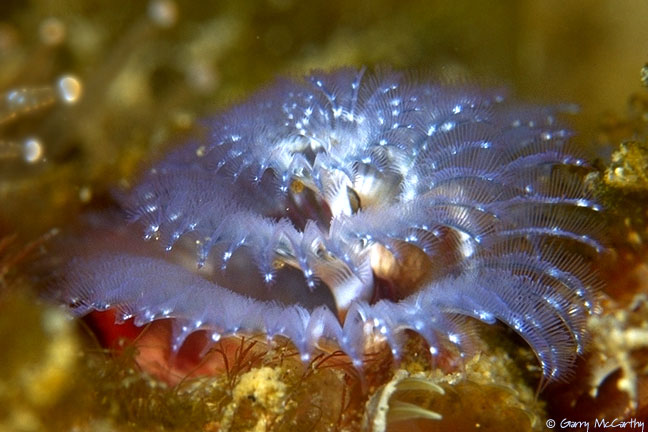
Nudibranchs - Sea Slugs
... from the Harbin pools?
(http://scott-macleod.blogspot.com/2009/10/spanish-shawl-beat-poetry-and-gerard.html - October 22, 2009)
The poetry I've written in this blog is in a tradition of Beat Poetry (e.g. Gary Snyder), in many ways. I'd like to articulate it with approaches to poetry which Gerard Manley Hopkins makes happen extraordinarily - bartleby.com/122 ...
The Woodlark
| TEEVO cheevo cheevio chee: | |
| O where, what can tháat be? | |
| Weedio-weedio: there again! | |
| So tiny a trickle of sóng-strain; | |
| And all round not to be found | 5 |
| For brier, bough, furrow, or gréen ground | |
| Before or behind or far or at hand | |
| Either left either right | |
| Anywhere in the súnlight. | |
| Well, after all! Ah but hark— | 10 |
| ‘I am the little wóodlark. . . . . . . . . | |
To-day the sky is two and two | |
| With white strokes and strains of the blue . . . . . . . . | |
Round a ring, around a ring | |
| And while I sail (must listen) I sing . . . . . . . . | 15 |
The skylark is my cousin and he | |
| Is known to men more than me . . . . . . . . | |
…when the cry within | |
| Says Go on then I go on | |
| Till the longing is less and the good gone | 20 |
But down drop, if it says Stop, | |
| To the all-a-leaf of the tréetop | |
| And after that off the bough . . . . . . . . | |
I ám so véry, O soó very glad | |
| That I dó thínk there is not to be had… . . . . . . . . | 25 |
The blue wheat-acre is underneath | |
| And the braided ear breaks out of the sheath, | |
| The ear in milk, lush the sash, | |
| And crush-silk poppies aflash, | |
| The blood-gush blade-gash | 30 |
| Flame-rash rudred | |
| Bud shelling or broad-shed | |
| Tatter-tassel-tangled and dingle-a-dangled | |
| Dandy-hung dainty head. . . . . . . . . | |
And down … the furrow dry | 35 |
| Sunspurge and oxeye | |
| And laced-leaved lovely | |
| Foam-tuft fumitory . . . . . . . . | |
Through the velvety wind V-winged | |
| To the nest’s nook I balance and buoy | 40 |
| With a sweet joy of a sweet joy, | |
| Sweet, of a sweet, of a sweet joy | |
| Of a sweet—a sweet—sweet—joy.’ |
bartleby.com/122/64.html
*
And health promoting practices, like a low fat ovo-lacto vegetarian diet (5-9 servings of fruits, grains and vegetables) and movement /exercise didn't always go hand-in-hand with the culture of Beat poetry, which phased into counterculture, where, as Allen Ginsberg puts it in the first (long) sentence of "Howl"
Howl
I saw the best minds of my generation destroyed by
madness, starving hysterical naked,
dragging themselves through the negro streets at dawn
looking for an angry fix,
angelheaded hipsters burning for the ancient heavenly
connection to the starry dynamo in the machin-
ery of night,
who poverty and tatters and hollow-eyed and high sat
up smoking in the supernatural darkness of
cold-water flats floating across the tops of cities
contemplating jazz,
who bared their brains to Heaven under the El and
saw Mohammedan angels staggering on tene-
ment roofs illuminated,
who passed through universities with radiant cool eyes
hallucinating Arkansas and Blake-light tragedy
among the scholars of war,
who were expelled from the academies for crazy &
publishing obscene odes on the windows of the
skull,
who cowered in unshaven rooms in underwear, burn-
ing their money in wastebaskets and listening
to the Terror through the wall,
who got busted in their pubic beards returning through
Laredo with a belt of marijuana for New York,
who ate fire in paint hotels or drank turpentine in
Paradise Alley, death, or purgatoried their
torsos night after night
with dreams, with drugs, with waking nightmares, al-
cohol and cock and endless balls,
incomparable blind; streets of shuddering cloud and
lightning in the mind leaping toward poles of
Canada & Paterson, illuminating all the mo-
tionless world of Time between,
Peyote solidities of halls, backyard green tree cemetery
dawns, wine drunkenness over the rooftops,
storefront boroughs of teahead joyride neon
blinking traffic light, sun and moon and tree
vibrations in the roaring winter dusks of Brook-
lyn, ashcan rantings and kind king light of mind ...
{sprayberry.tripod.com/poems/howl.txt}
Can we sing and beat together, and generate flourishing wellness?
***
So, how to engage Beats, Hopkins and health practices, to generate loving bliss. In what ways could such poetry become code for generating loving bliss, like some music brings me "there.' And for you?
****
Nudibranchia
eol.org/pages/2538
s3.amazonaws.com/readers/2009/05/18/sea-slug_1.jpg
k41.pbase.com/u34/rick_coleman/upload/31303806.spanishshawl6.jpg
Nudibranchs - Sea Slugs
... from the Harbin pools?
(http://scott-macleod.blogspot.com/2009/10/spanish-shawl-beat-poetry-and-gerard.html - October 22, 2009)
Wednesday, October 21, 2009
Fly with Fig Wasp: Cooperatives in the San Francisco Bay Area: Rainbow Grocery
Generating a list of cooperatives and collectives in the San Francisco Bay Area:
Cooperatives in the San Francisco Bay Area: Rainbow Grocery (in S.F.), Arizmendi's Bakery (in Oakland), Nabolom's Bakery & Cafe (in Berkeley), the Missing Link Bicycle Collective (in Berkeley), Slingshot Publishing Collective (in Berkeley) ....
Here's an online list from the "Network of Bay Area Cooperatives": http://www.nobawc.org/article.php?id=56
So many of these emerged in the 1960s and 70s. It's interesting to see which one's are still around, and why ...
What's worked with them and what hasn't?
How might the great aspects of them grow?
*
What would you add?
**
There are many fascinating cooperative (called symbiotic relationships in evolutionary biology) adaptations in nature.
Fig - Wasp is one amazing symbiotic relationship ...
In what ways are DNA relationships like this one information technology relationships, in nature?
http://www3.imperial.ac.uk/portal/pls/portallive/docs/1/589917.JPG
(http://scott-macleod.blogspot.com/2009/10/fly-with-fig-wasp-cooperatives-in-san_21.html - October 21, 2009)
Cooperatives in the San Francisco Bay Area: Rainbow Grocery (in S.F.), Arizmendi's Bakery (in Oakland), Nabolom's Bakery & Cafe (in Berkeley), the Missing Link Bicycle Collective (in Berkeley), Slingshot Publishing Collective (in Berkeley) ....
Here's an online list from the "Network of Bay Area Cooperatives": http://www.nobawc.org/article.php?id=56
So many of these emerged in the 1960s and 70s. It's interesting to see which one's are still around, and why ...
What's worked with them and what hasn't?
How might the great aspects of them grow?
*
What would you add?
**
There are many fascinating cooperative (called symbiotic relationships in evolutionary biology) adaptations in nature.
Fig - Wasp is one amazing symbiotic relationship ...
In what ways are DNA relationships like this one information technology relationships, in nature?
http://www3.imperial.ac.uk/portal/pls/portallive/docs/1/589917.JPG
(http://scott-macleod.blogspot.com/2009/10/fly-with-fig-wasp-cooperatives-in-san_21.html - October 21, 2009)
Tuesday, October 20, 2009
No Longer Twilight: To Harbin on This Day
To Harbin on this day
It's been too long
since we've been here,
so into the pools soon
before dark comes.
Then to the dance ~
the polyrhythmic boogie
woogie ~
this Tuesday eve
in Harbin's ochre, wondrous,
cob and bale temple,
with its funky, old, curved,
ship-beamed, hat roof ~
skylighted ~
in here we shall dance ~
and then to bed, ~
on the redwood deck,
on a platform
in a tree canopy.
To Harbin ...
To Harbin on this day -
in cool, winter-is-coming,
autumn, nice-like-summers-
in-San-Francisco,
California weather.
Now Harbin is so beautifully quiet ~
... and good sleep
comes under the canopy :}

(http://scott-macleod.blogspot.com/2009/10/no-longer-twilight-to-harbin-on-this.html - October 20, 2009)
Subscribe to:
Posts (Atom)

 Posts
Posts