Showing posts with label Mozart. Show all posts

Sunday, September 3, 2017

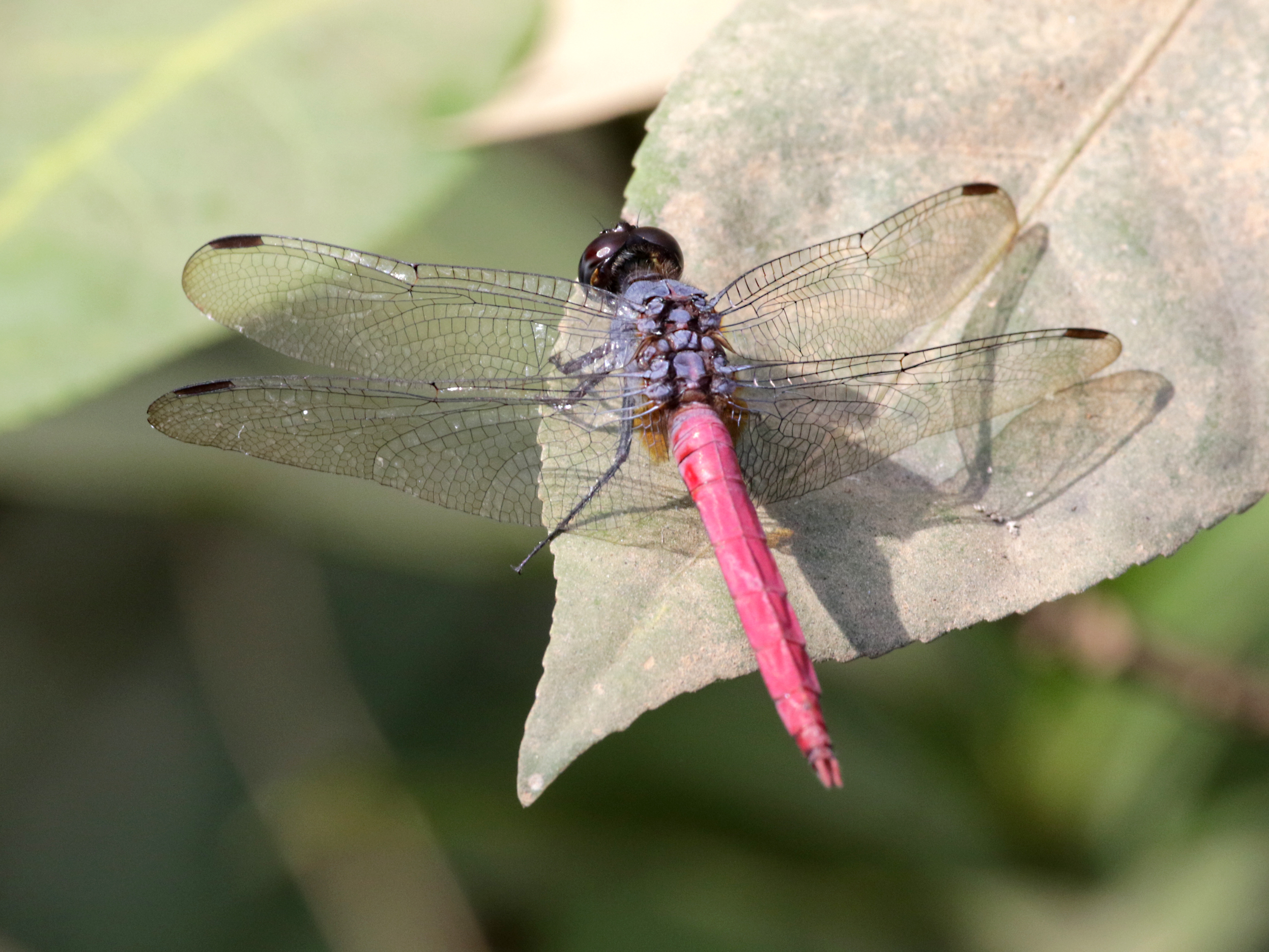
Orthetrum migratum: May explore descant lines if I begin to sing countertenor in a new choir at St. Paul's Episcopal Church choir in Burlingame, Think I'll do this a bit as a hippy ethnographer as well, A Tongan choir sang this morning in addition to the Chancel Choir ... and this Tongan choir could emerge online as well - in Tongan - https://to.wikipedia.org/wiki/Lea_faka-Tonga - ! Since Wikipedia is in Tongan, this NEW wiki World University and School !! - https://wiki.worlduniversityandschool.org/ - will soon be in Tongan too :) Please feel free to wiki-edit / teach to wiki WUaS, New Riders of the Purple Sage - Dirty Business (1971) - this is happening music ... /Rock_and_Woll at World Univ, Vino? ... Steve Winwood, Eric Clapton - Can't Find My Way Home > Good for STEM studying bliss neurophysiology generation


Hi M,

How are you and how are things winding down? Do you leave tomorrow or the next day, or might you remain another week (for what some have said is the nicest week on Cuttyhunk because of its quietness - a kind of big releasing after a busy summer, but with people still on island - the relative warmth, and often great weather ... )?

...

Episcopal church singing was fun this morning for the first time there ... good music, good singers, we'll be singing the Bach Christmas Oratorio and the Mozart Requiem, along with an anthem every week, and Episcopal hymns ... it's actually pretty great music ... may explore descant lines if I begin to sing countertenor, although this morning I sang bass ...

My email to D.T. from Thursday:
"Your email came a minute before I was about to meet the musical director Susan Jane Matthews (who went to Haverford) at an Episcopal church in Burlingame to explore singing there this autumn. (Could ...  and from Stanford Medicine? Looks like this could be possible, although the job was excellent). Heading back this Sunday. I may be singing counter tenor (alto) which is interesting.


What are your winding up things left to do, M?

Love,
Scott


*

A kind of Yoga too ?

Glad to say I'm going to be singing with the St. Paul's Episcopal Church choir in Burlingame this autumn (and potentially as countertenor with time:). 

Good music, good singers, too, and we'll be singing the JS Bach Christmas Oratorio and the Mozart Requiem, along with an anthem every week, as well as Episcopal hymns ... it's actually pretty great music too ... may explore descant lines if I begin to sing countertenor (Singing Descant: http://worlduniversity.wikia.com/wiki/Singing_Descant), although this morning I sang bass ... (for further bliss neurophysiology elicitation focus here re neural cascades of pleasure and music-making ...)

Heard them sing in Stanford Memorial Church - https://events.stanford.edu/events/696/69687/ - not long ago. 

Perhaps we can explore collaboration with time about a virtual choir - Virtual Choir: http://worlduniversity.wikia.com/wiki/Virtual_Choir - (in the World University Music School - http://worlduniversity.wikia.com/wiki/World_University_Music_School). 

A Tongan choir sang this morning in addition to the Chancel Choir ... and this Tongan choir could emerge online as well - in Tongan - https://to.wikipedia.org/wiki/Lea_faka-Tonga - (made contact here by exchanging email addresses)! Since Wikipedia is in Tongan, this NEW wiki World University and School !! - https://wiki.worlduniversityandschool.org/ - will soon be in Tongan too :) Please feel free to wiki-edit / teach to wiki World University and School. 

(Posted about Tongans not long ago here - http://scott-macleod.blogspot.com/2017/07/pacific-islands-china-town-oakland-pu.html)

Thank you Unitarian Universalist Choir of Palo Alto (from which choir I'm moving on)!

Musical regards, Scott
https://plus.google.com/u/0/107756025217438713733/posts/9WoHGy6E9r1

- Posted a version of this to:
https://plus.google.com/u/0/+ScottMacLeodYogaMacFlower
https://plus.google.com/107756025217438713733 - MusicalMacFlower
https://plus.google.com/+ScottMacLeodMusic


*
Think I'll sing in this choir a bit as a hippy ethnographer as well, since for example, taking communion, while kneeling in front of the nave, isn't really my thing - but I'll also get to think about all these religious "memes" from the inside, which is interesting too ... O look, free food someone's putting into my hand (the body of Christ) ... which I ate this morning before the wine came around, so I couldn't dip it into the wine (the blood) ... (and as pretty much a teetotaler I don't drink much alcohol anyway ... ) ... but old symbolic processes like in religion are curious ... (am an appreciator of Richard Dawkins' critiques - https://twitter.com/RichardDawkins/status/904693978741841920 - and re Nontheist Quakers' thinking too in these regards, and I conscientiously object to such religious rituals as well - as in Friendly conscientious objection to war) ... and these old symbolic processes have certainly rippled through a couple of millennia ...

*
New Riders of the Purple Sage - Dirty Business (1971) - https://www.youtube.com/watch?v=YJdq0OcRK3o … - this is happening music ... /Rock_and_Woll at World Univ
http://worlduniversity.wikia.com/wiki/Rock_and_Roll

https://twitter.com/TheOpenBand/status/904444428416278528

*

https://twitter.com/scottmacleod/status/904455312811278337

*

https://twitter.com/scottmacleod/status/904454762954842112

*
Vino? https://www.youtube.com/watch?v=VT-SFgkVlno … Steve Winwood, Eric Clapton - Can't Find My Way Home>Good for STEM studying bliss neurophysiology generation

https://twitter.com/scottmacleod/status/904454422104686592

*


https://twitter.com/HarbinBook/status/904505875229851648


*


Orthetrum_migratum

...


Wednesday, July 20, 2016

Camelia: Brilliant!!! Xiao Xiao Thesis Defense ~ from Tangible Media Group ~ MIT Media Lab, After hearing this, how to begin to love to make music in different ways, and make music in such a way to help others elicit loving bliss?, Thank you, Xiao Xiao, so very much for your VERY GREAT academic "defense" as contribution!!!

Great! MIT Media Lab Thesis Defense as CONTRIBUTIONS - To http://worlduniversity.wikia.com/wiki/Practicing_-_Playing_a_Musical_Instrument … & http://worlduniversity.wikia.com/wiki/World_University_Music_School


*


*

Xiao Xiao Thesis Defense

*

Xiao Xiao Thesis Defense from Tangible Media Group on Vimeo.
*
https://vimeo.com/175361217
MIT Media Lab

*
Xiao Xiao's portfolio ...
http://portfolio.xiaosquared.com/

*
To Practicing - Playing a Musical Instrument ...

http://worlduniversity.wikia.com/wiki/Practicing_-_Playing_a_Musical_Instrument …


*
To the Music School at WUaS planned for each of all instruments in all 8k languages, each a wiki subject page to begin

... http://worlduniversity.wikia.com/wiki/World_University_Music_School …

*
To Media Lab at WUaS ... planned in each of all 8k languages
http://worlduniversity.wikia.com/wiki/Media_Lab_at_World_University_and_School


*
Personally,

Loving the thinking here ...

... would like to be able to easily apply it to my own further learning of piano, and Scottish Small Pipes ...

and to teach my kids with some of Xiao Xiao's technologies ... and especially as if they were inspired by a very amazing human teacher they connected with ...

*
Not sure though it will open the way for me to play Bach, Scottish, and the Blues amazingly, improvisation-ally, and the way I might invent ... will have to explore

*
As great as this is, I'm not sure it provides the avenues "in" (or "interventions") to change my own approaches to learning music ... and I hope to converse further with Xiao Xiao about this ...


*
Will some of her programs work for me? How will one measure and assess how it works for others? How easy will it be for me and for others to adapt this in ways that will help our kids, and schools of kids?

*
Would like to focus on Tricia Woods' 3 volumes of Blues piano books, Scottish Country Dance music, as well as Bach Inventions ...

*
And how to engage this in new ways for singing? I'd like to sing walking base lines, harmony in Steeleye Span, and some Gospel (Fairfield Four, Georgia Peach ...)


***
Academically, Media Lab-wise,

What about hippie learning approaches vis-a-vis some of Xiao Xiao's versatile conceiving in this video?

*
And what about identity approaches (beyond "thinking identities" such as highest achieving students), so, ethnic/linguistic identity thinking? ...

WUaS may well be able to research and study this, and comparatively, in all languages ...

*
Conceptually ... more about this perhaps later ... Xiao Xiao opens up so many avenues emerging conceptually and innovatively out of Media Lab thinking ... great and fascinating (appreciating her moving tribute to Marvin Minsky here too) ...

*
Love her far-reaching technological innovations in video - mind-expanding in combination with her thinking!

*
What about eliciting loving bliss using some of these new approaches to music-making?

http://worlduniversity.wikia.com/wiki/Loving_Bliss_(eliciting_this_neurophysiology)


*
After hearing this, how to begin to love to make music in different ways, and make music in such a way to help others elicit loving bliss with music-making?

*
Thank you, Xiao Xiao, so very much for your VERY GREAT academic "defense" as contribution!!!


*


...


Tuesday, July 5, 2016

Species: If one could get the musical scores and the films, for example, right for loving bliss neurophysiology eliciting re MDMA (and in all 7,097 + languages and their musics), one could create more than a lot of happiness in the world, but this wouldn't necessarily facilitate teaching and learning about how to find one's own on-off switch for this brain chemistry, agency or intentional causation ... WUaS wiki subjects in these regards - "Loving Bliss (eliciting this neurophysiology)," "Music," "Film," "Brain and Cognitive Sciences," "Grateful Dead," "Raga," "Wolfgang Amadeus Mozart," "World University Music School," What could one do re musical scores and film for loving bliss elicitation with cognitive assistants?


If one could get the musical scores and the films, for example, right for loving bliss neurophysiology eliciting re MDMA (and in all 7,097 + languages and their musics), one could create more than a lot of happiness in the world, but this wouldn't necessarily facilitate teaching and learning about how to find one's own on-off switch, or metaphorical cello bow stroke (re Yo-yo Ma playing Bach cello suites, for example) for this brain chemistry, agency or intentional causation ...


*
I could see if I could begin to chart daily my own experiences with loving bliss generation, but that gets pretty prosaic quickly (and this isn't by contrast like going frequently to Grateful Dead concerts, where the milieu itself contributes to a kind of communitas for those folks who are into this - i.e. Deadheads - as a specific kind of counterculture, if you will ... or traveling to and soaking in the Harbin warm pool :)


*
What could one do re musical scores and film for loving bliss elicitation with cognitive assistants? (They could turn on a Grateful Dead, raga or Mozart concert on Youtube when needed or wanted as well as put specific ones in a series - if we knew the brain chemistry for this, and could model this too to understand for our own eliciting purposes).

*
How to learn this easily and freely (beyond the culture of Buddhist meditation re the Dalai Lama for example)?

*
As you like it with musical scores, or the music you are listening to - the choice is yours if your experimenting and exploring some (of these) qualities biological loving bliss.

*
(And with an invitation to add to these and related blog entries, especially after WUaS moves to Wikidata).
*


...


Friday, November 29, 2013

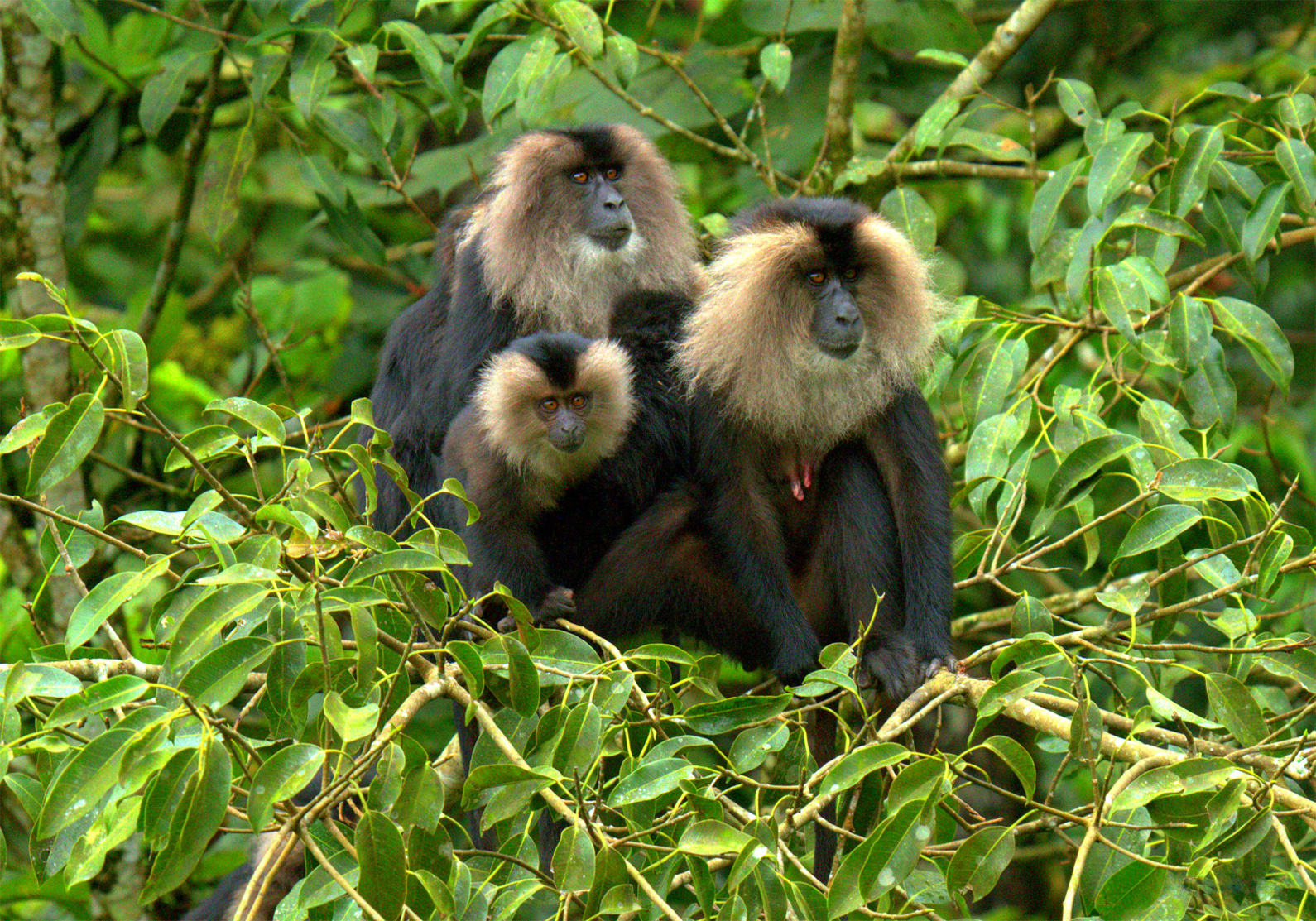
Lion-tailed Macaque: Raga Magic, far-reaching, raga web site, 'Raag Bhairavi ,Ustad Vilayat khan ,Re,NiSaGaMaPaDhPA Best of Indian Classical,' 'Ravi Shankar & Anoushka Shankar Live: Raag Khamaj (1997),' Raga brings to me to neural cascades of pleasure, neurophysiologically, Such an old form of music, predating other moving music, such as the Grateful Dead and Mozart, What is it particularly moving about raga, Openly share, teach and learn about music in India (and all kinds of music, literally) online via Classical Indian Music, Learning from raga for Piobaireachd, for example


Found recently this far-reaching, raga web site  - Raga Magic -

http://ragamagic.com/category/instrumentals/


*

And found this beautiful raga there, for example ...

'Raag Bhairavi ,Ustad Vilayat khan ,Re,NiSaGaMaPaDhPA Best of Indian Classical'


http://www.youtube.com/watch?v=e2a7iK5W1wA


*

And here's another ...

Ravi Shankar & Anoushka Shankar Live: Raag Khamaj (1997)


http://www.youtube.com/watch?v=9xB_X9BOAOU


Raga brings to me to neural cascades of pleasure, neurophysiologically (and sometimes to a kind of loving bliss and meditative place), and perhaps moves many, many people, as well. It's also such an old form of music, predating other moving music (for me, and possibly many people), such as the Grateful Dead and Mozart.


What is it particularly moving about raga, Indian Classical Music and Carnatic music, which is so moving for many?


Openly share, teach and learn about music in India (and all kinds of music, literally) online via

Classical Indian Music
http://worlduniversity.wikia.com/wiki/Classical_Indian_Music

Links at Classical_Indian_Music at WUaS
http://worlduniversity.wikia.com/wiki/Classical_Indian_Music#World_University_and_School_Links


*

In what ways might one learn playing other far-reaching forms of music, such as Piobaireachd on the Great Highland Bagpipe (http://worlduniversity.wikia.com/wiki/Great_Highland_Bagpipe) vis-a-vis raga, Indian Classical Music and Carnatic music?


***


Thursday, October 31, 2013

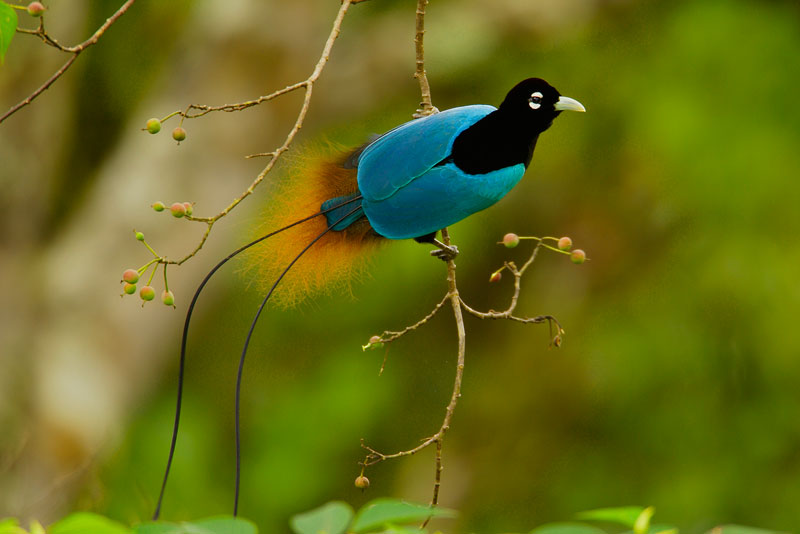
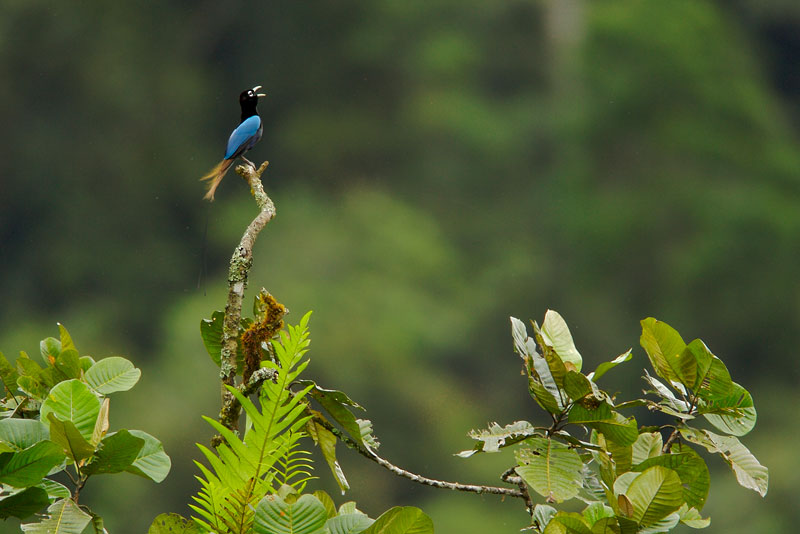
Blue Bird-of-Paradise: Harbin Waters’ Cosmic Consciousness


Harbin Waters’ Cosmic Consciousness


One fig leaf dropped,
golden in the warm pool,
right in front of me – plop.

Meditating in lotus pose
in warm water I was, and then
drops another golden, fig leaf,
to my right, but a little browner,

from green~golden fig trees above.
Easing inwardly myself near the stairs,
she who is naked beautiful walks in,

with lovely face, bosom, and hair,
finding ease, in the warmth.
She looks at me – connection. 

In the hot pool, next door,
finding heated~water, immersive openings,  
she comes in, once standing in

water near her long-haired, male friend.
Are they connected?
She is beautiful in so many ways,

proportional, nude, serene in being,
connectable – but with friend, probably, 
a traveling companion, it seems.

Back in the warm pool,
I emerge heading for the hot pool again,
and get a little dizzy, biologically,

and, aware, observe how this
could be similar to a biological or
chemical door of perception opening

to Cosmic Consciousness,
in another context.
But what is the code

to open these doors, neurophysiologically –
and for all kinds of brain and bodymind
freedoms and transformations,

naturally, but made real
with entheogens and
Mozart and Raga and the Grateful Dead

as well as India, Hindu and Harbin cultures?
How to open the doors,
warm pools-wise, 

to eliciting loving bliss, and
to cosmic consciousness?

Further pool play welcome. 


***

Friday, August 23, 2013

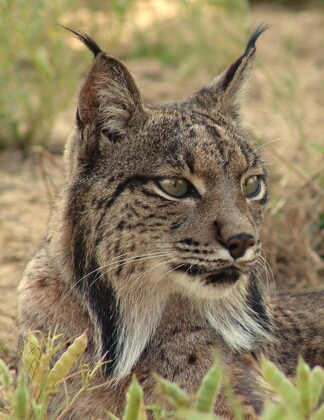
Linces: Improvisation in Mozart quartets? Improvisation in J.S. Bach small musical ensembles? Improvisation with Mozart and Bach, and remarkably creatively? Bobby McFerrin - for example ... Whom else is doing this, and what are various chamber music 'group names' doing this?


Improvisation in Mozart quartets?

Improvisation in J.S. Bach, small, musical ensembles?

Improvisation with Mozart and Bach, and remarkably creatively?


See, too, the Mozart and Bach wiki, subject pages at WUaS's Music School ...

World University Music School ...
http://worlduniversity.wikia.com/wiki/World_University_Music_School


Wolfgang Amadeus Mozart ...
http://worlduniversity.wikia.com/wiki/Wolfgang_Amadeus_Mozart ...

Johann Sebastian Bach ...
http://worlduniversity.wikia.com/wiki/Johann_Sebastian_Bach


Bobby McFerrin - for example ...

Chord illustration of Bobby McFerrin's 'Bach improvisation'


http://www.youtube.com/watch?v=VWjlNjUltOY

Whom else is doing this, and what are various chamber music 'group names'? Examples from choral music?


Other interesting examples I found on Youtube to come ...


Mozart - 


'Zaide' K. 344 Opera Aria by Wolfgang Amadeus Mozart, flute improvisational solo by Dameon Locklear 


IMPS May 09 Improv 


Tartarov plays in the style of Mozart - ALLEGRO SPIRITUOSO Studio Film 


J.S. Bach -

J.S. Bach Jazz Improv - Barbara Dennerlein on Hammond B3
http://www.youtube.com/watch?v=JvgsU-RuKlo


Improvisation on Bach
http://www.youtube.com/watch?v=8FYThR0dl6c


Bach Improvisation, Bobby McFerrin.
http://www.youtube.com/watch?v=xQqrf6CWgQc


Gabriela Montero - Improvisation on Bach's Goldberg Variations
http://www.youtube.com/watch?v=JUfZeag_28g


...

Sunday, March 24, 2013

Kenyan cheetahs: LOVE ... here is love in its best senses, as I've thought of it, in my Dalton Friends' letter, which is quite Friendly, as well as Nontheistically F/friendly, ' ... empathy; delight; sympathy; centered caring; tenderness; sensitivity; ineffable ecstasy ... '


Hi Friends,

Thanks for this thread about love.

Here is love in its best senses, as I've thought of it, in my Dalton Friends' letter, which is quite Friendly, as well as Nontheistically F/friendly -

http://scottmacleod.com/daltonletter.htm#BestLove -


'... empathy; delight; sympathy; centered caring; tenderness; sensitivity; ineffable ecstasy; incredibly positive - potentially lifelong - feelings of connectedness; sublimity; kindness; “love in the air;” gentleness; an understanding of developing, mutual otherness; friendship; mirthful, playful freedom in bodymind, words and gestures; thoughtfulness; dating; cuddling/physical intimacy/sensuality (1-2 hours per day); making love (intimate and warm)~coitus; a delightful, “glowing” party; ongoing smile / sincere and charming affection / “flow” experiences (for “flow,” see Csikszentmihalyi’s “Flow: the Psychology of Optimal Experience” - 1993) with a community / network across generations; openness; generosity; coming closely in tune with good friends; fulsome trust; anticipatory, beneficial surprises; sweetness; nurture; receptivity {to love}; sharing; hail gladdening love; non-harming, altruistic engagement; acts of kindness ~ voluntarism; considerateness; cordiality; congeniality; collegiality; flourishing (viz. eudaimonia); warm, radiant fun; sociable, flirtatious, and gleeful, inner and outer movement, which some people experience while dancing (e.g. unconditional~free-form dancing, New England contra-dancing, Scottish Country Dancing, Dances of Universal Peace~Sufi dancing, contact improvisational dance jams, etc.); having a ball with you; euphoric merriment; cherishing as well as feeling / being cherished; (love-related) passion; the numinous; a loving bliss economy~loving bliss indices {a way of measuring groups' affective neurophysiology, as a whole, linked with socially conscious, index, mutual funds}; old friends; an unburdened feeling of lightness of being; falling in love; the fun of raising / being with kids; cheeriness; positive psychology (viz. Seligman's “Authentic Happiness”); following your bliss; well-received, intense, salutary interest; the deep, inward release that comes in remarkable / easing moments and which is cultivatable; deeply exuberant, beneficent pleasure with another ~ a partner ~ a love; best friends; understanding; reverie; friendliness; what gives you joy?; imagination to love profoundly, and then to love; wholesomeness; well-being; peace, peace of mind, and at peace-ness; being in love; ahimsa {non-harming}; a good connection; virtue, esp. of transcendent, jubilant love; helpfulness; doing good; loving touch (e.g. a gentle hand, hugs, massage, Watsu*Waterdance {Wassertanz} & more); singing "I love you;" the inspiration for the creation of great, loving art; rich, bountiful inventiveness / imagination in amity; Harbin Hot Springs ~ harbin.org; heart consciousness; harmony; the neurochemistry of romantic love~heightened levels of four neurotrophins, - i.e. NGF, BDNF, NT-3, and NT-4 (Emanuele et al., 2005); loving bliss ~*MMmmm ~ loving bliss and practices for this*~ (naturally, and with many qualities, but ecstasy is a reference experience ~> oxytocins~dopamine); practicing loving bliss vis-à-vis a musical instrument; balance; wonderful, oceanic wholeness; free love; happiness; contentment; the joy / rapport / 'reading' of minds that goes on between two (or more) skillful musicians / listeners, who are improvising; love letters; harmony, love fests; love is the answer; loving bliss as friends; the thought, experience, and generation of love; quiet wisdom ~ love of wisdom; and sophisticated, intuitive caritas - (e.g., see Tolstoy’s “The Three Questions”) - (what are other positive characteristics / expressions of love that you can add, besides the American Friends' Service Committee, the Friends' Committee on National Legislation, and others like them? And how can we develop them together? How can we move toward world peace & love?) ...' (http://scottmacleod.com/daltonletter.htm) -


One question I focus on is how to elicit these aspects or qualities of positive love when and as one would like ... and this 'loving bliss,' wiki, subject page is one place to explore this further: http://worlduniversity.wikia.com/wiki/Loving_Bliss_(eliciting_this_neurophysiology).


Here are two queries I have for us here on this NtF email list : How to cultivate positive love in wonderfully f/Friendly ways, for example, especially in Quaker Meetings and in flourishing ways (think Grateful Dead concerts, or similar, for whatever else moves you greatly, musically or otherwise) as a corporate leading? How to get to the experience and feeling of far-reaching Love, caring and communitas within social gatherings / gatheredness (think Grateful Dead, Mozart arias, Raga from India or similar) in Friendly ways?


Warm regards,
Scott


...

Wednesday, April 11, 2012

Hebeloma: Music in the Train Station in Denmark?, (Renaissance) music by Guillaume Dufay ... kinda exquisite, Singing & nice, Mozart piano

Music in the Train Station in Denmark?


... starts with drums, then flute

... then the clarinet brings it into Ravel's Bolero ... :)))


... don't have a 'Trains' subject yet at WUaS

... so will probably add this to Classical Western Music ...


... interesting to see Danes, as well ... :)


*

You might enjoy this (Renaissance) music

by Guillaume Dufay (1397-1474) - Ecclesiae militantis -


which Blue Heron choir also sings.


It's kind of close to 'Madrigal Singing' -


but I may add it to the WUaS' 'Singing' wiki subject -

http://worlduniversity.wikia.com/wiki/Singing

... kinda exquisite


*

Very nice Mozart ...

"Mozart: Variations on "Ah, vous dirai-je, Maman" " ...


added to WUaS's Piano (may add to Mozart, perhaps, as well), wiki, subject page,

because it's clear and instructive ...


There are so many Singing links at WUaS ...


where you can sing, learn (with videos, etc.), teach, listen,

and, in real time musical collaborations,

eventually, in a G+ Hangout ...

(music is an amazing way to bliss :)


...


Wednesday, June 1, 2011

Mt Nimba, Africa: Both Bachelors, MD, Law and PhD tracks as a MIT/Reed on the Web AND a 'drop out' track for folks to think, Counterculture, Bliss

Could World University & School create both Bachelors, MD, Law and PhD tracks

as a kind of MIT / Reed College on the Web

with robust developing information technologies


AND

a 'drop out' track for folks who just want to hang out in and drop into a cool, thoughtful space,

and think ...


Yes, WUaS already is http://worldunicersity.wikia.com/


and potentially in all languages :)


*

Agency - or individual, free choice - is at the center of World University and School, where both degree-oriented thinkers, and 'drop out' thinkers, can continue ...

to think ...


*

sm: "... wondering whether one key sense of 'counterculture' emerges from the idea that cultures themselves are 'other' to each other so that counter could refer to 'alternative,' 'different' or 'other,' and hippies with so much world travel just tripped out on this and flew into counterculture's other realm :) http://worlduniversity.wikia.com/wiki/Counterculture ... looking for references and etymologies that rock anthropologically."

bw: 'Back in the day, "counter" (as in "counterculture") meant active opposition to the powers-that-be and the majority culture seen as fronting for them.'


*

There are so many bliss channels 'out there' -

talk to your best friend,

talk with your love,

turn on the Grateful Dead,

turn on Yo yo Ma playing Bach Cello Suites,

turn on to Mozart ...

with Youtube and the Web with its INFINITE URLs (web site addresses),

you could spend much of your life listening to your favorite musics ...


HMmm http://worlduniversity.wikia.com/wiki/Music :)?


Yes ...


*

wonders if poeple have or develop Harbin 'maps,' that are somehow analagous to John Money's (1988) Lovemap idea (a template in the bodymind ...), especially vis-a-vis the Harbin pools :)


(http://scott-macleod.blogspot.com/2011/06/mt-nimba-africa-both-bachelors-md-law.html - June 1, 2011)

Friday, May 27, 2011

Srebarna, Bulgaria: Besides via the Loving Bliss Neurophysiology Eliciting page, How to Co-generate a Flourishing of Media about this Neurochemistry

Besides via the Loving Bliss Neurophysiology Eliciting page -

http://worlduniversity.wikia.com/wiki/Loving_Bliss_(eliciting_this_neurophysiology)

also here: http://worlduniversity.wikia.com/wiki/Subjects -

I'm curious how to co-generate a flourishing of media

(books, music, film, multimedia, programs)

which help create this neurochemistry,

naturally, easily & freely

(think MDMA, Mozart or the Grateful Dead),

and to begin to explore more richly what media might facilitate this already ...


I've added some of what works for me (above),

but there are so many qualities of this biology.


Why is there a seeming dearth

(as I see it)

of generative resources for eliciting loving bliss,

and especially pairbond-wise? :)


(http://scott-macleod.blogspot.com/2011/05/srebarna-bulgaria-besides-via-loving.html - May 27, 2011)

Thursday, May 26, 2011

Purnululu: Practicing the piano growing up (ages 6-12), unenjoyable, isolating, Kids' Practicing, Musical Instrument Playing as Dialogue?

Practicing the piano growing up (ages 6-12)

was a little unenjoyable

because it felt isolating at times

(but I'm glad I play a few Bach Inventions slowly & read music now) ...


Here are some guidelines for Practicing a Musical Instrument
from Wynton Marsalis & Yo yo Ma:
http://scottmacleod.com/GuidelinesPracticingMusicalInstrument.htm

(also here:
http://worlduniversity.wikia.com/wiki/Music).


How to add to these guidelines?

Pairbond & Troopbond
(http://scottmacleod.com/anthropology/determinism.htm)
(John Money 1988: 115)

around practicing

- e.g. kids & parents, etc. ?


How to turn practicing into a DIALOGUE,
http://worlduniversity.wikia.com/wiki/Dialogue

and now online?


In what ways can you,

for yourself,

generate virtual, fun experiences,

(in your own bodymind)

whether by turning on the Grateful Dead,

or watching a Mozart opera (buffa),

or generate fun experiences even while practicing a musical instrument,

and via a dialogue WITH the music,

or with a friend, musically,

online?


Can you turn a musical score into psychedelia

(richly imaginative, almost alive text:),

digitally & naturally,

and then rif with this :) ?


*

About kids' practicing & playing a musical instrument,

I like the Ravi Shankar and Anoushka Shankar model
{http://www.youtube.com/watch?v=Jj8zhJaktk4}

(who just played at San Francisco's Davies' Symphony Hall),

where Ravi probably brought Anoushka to music lessons (or something like this),

or taught her,

and they've now played together for decades ...

http://worlduniversity.wikia.com/wiki/Music

with an invitation to wiki-add teaching & learning resources,

and engage (adhibit),

also in a John Moneyian sense (see above), but musically :)


Ravi Shankar's music,

in particular,

can get pretty virtual for me (transcendent) ...

http://worlduniversity.wikia.com/wiki/Raga

... and we might teach, learn and play this online,

from home :)


Check out his Three Ragas (1957) :) ... (it's playing now here at home, as I write this)

and eventually from the Digital Public Library of America, which will partly emerge here:
http://worlduniversity.wikia.com/wiki/Library_Resources

?


(http://scott-macleod.blogspot.com/2011/05/purnululu-practicing-piano-growing-up.html - May 27, 2011)

Thursday, May 19, 2011

Playing cheetahs: What are some of the best ways to fully engage a story or music, (or research), so that it becomes fully Alive in your Bodymind

What are some of the best ways to fully engage a story or music, (or research),

trippily even (but sans, and naturally), or vividly, or flourishingly, or multivalently,

so that it becomes fully alive and interactive, and leads to multiple new connections and 'flow' experiences, in your bodymind

e.g. Fedinand the Bull, The Odyssey, Mozart's Magic Flute, or the Grateful Dead's music from 1969?

How to bring media alive? (much more than a close listening or reading) :)


Where to add this question at World University and School?

Beings Enjoying Life, vis-a-vis music or stories? :)


Where to add

"some of the best ways to fully engage a story or music, trippily even"

as question at World University and School?

Beings Enjoying Life, vis-a-vis music or stories? ...
http://worlduniversity.wikia.com/wiki/Beings_Enjoying_Life :)


Or ... for sharing ideas about this ?


'If, Then, Beyond'
WUaS subject page?


Dialogue subject page?
http://worlduniversity.wikia.com/wiki/Dialogue ?


(http://scott-macleod.blogspot.com/2011/05/playing-cheetahs-what-are-some-of-best.html - May 19, 2011)

Tuesday, January 27, 2009

Old Growth Forest: Loving Bliss Neurochemistry as Winning, Musical Forms, Studies of Gatheredness

If, after all these tens of thousands of generations, the neurochemistry of loving bliss is highly desirable, and may be freely and easily attainable or accessible, say, over decades, when and as we want, in conjunction with the great visions of the 1960s and early 1970s {environmentalism, sustainability, social justice, civil rights, peace and anti-war, communitarianism, equity for all, freedom, et al.}, and the pragmatics of daily life (whether this be as a father, a mother, a philosophy professor, or a wooden boat builder, for example), would accessing this when and as we want be a kind of 'winning' in life? The bodymind and brain are biological systems, so we may be able to figure how to create our own ecstasy {viz. MDMA}, naturally, freely and easily. In the context of a kind of evolutionary biological, love-life nihilism, I think accessing the neurochemistry of loving bliss, naturally, with contentment, when and as we want it, is 'winning.'

And what's the 'musical form' of free and easy love all the time, in a kind of structural sense - but without the musical notation - so, through practices {so, code or thinking, e.g. Tibetan Buddhist chanting, which I've seen to have a transformative effect - e.g. a Tibetan man in a shop in Berkeley, California}? If such musical forms, like some of Mozart's arias, can give rise to loving bliss neurochemistry {as they do for me}, what's the form to do it, without listening to these arias, for example? What's the thinking?

And how would one begin to study this anthropologically, as well as share this, besides via the World Wide Web?

Could I, for example, as an expression of this code, begin to play my bagpipe to give explicit form to qualities of loving bliss? (The great pipers Donald MacLeod and Duncan Johnstone played in ways, for example, that created aspects of these qualities for me}.


*

Here's another e-mail I sent to a nontheist friends email list recently.

If we wanted to develop or pursue a scientifically-grounded, related, nontheist friends' study of 'gathered meetings,' I think communicating with Harvard cardiologist Herbert Benson MD, at the Massachusetts General Hospital, who wrote "The Relaxation Response" in 1972 would be a good first starting point. His research from that time showed that oxygen intake lessened with the relaxation response (he was looking at meditation in the context of Transcendental Meditation, at the time, I think). This approach might not, at first, address questions of Quaker discourse, or nontheist friends' discourse vis-a-vis 'gathered meetings' - what is said during and after, and the historical context of Quakerism or nontheist friends - but it might be able to address 'group' aspects of the 'relaxation response.' I'm not sure how we might begin to examine scientifically questions of "gatheredness," vis-a-vis this nontheist friends email list, but let's explore this.

I find the ability to elicit 'gatheredness' facilitated richly, on my own, in warm pools, like at Harbin Hot Springs, or in my own bath tub. The warm water and releasing help.

With friendly greetings,
Scott

Thursday, January 15, 2009

Hot Springs Canyon: Happy New Year, Holiday Letter, Greetings


Happy New Year! Here's my holiday letter.


January 1, 2009

Dear Friends,

Greetings from Canyon, California, 20 minutes southeast of Berkeley in the San Francisco Bay Area. Happy New Year! How are you? I’d love to hear your news.

I've traveled a lot this year, focusing mostly on doing fieldwork at Harbin Hot Springs, - http://harbin.org - a hot springs retreat center 2 hours northeast of San Francisco. I'm writing an ethnography about it, and planning to create a virtual Harbin in Open Sim and/or Second Life. In addition to this, I've taught “Society and Information Technology” about the digital revolution in the 3-D virtual world of Second Life this year, both on Berkman Island (not on Harvard's faculty) and on Penn State Island. In addition to teaching, I've taken classes this fall at Berkeley to focus the chapter writing for my book.

In the course of the year, I also visited Sierra Hot Springs, Harbin's sister springs in the Sierra Valley in northeast corner of California, a number of times for research, traveled to the Pacific Northwest - Oregon and Washington - seeing many old friends :), and visiting my alma mater Reed College, attended a "Cultures of Virtual Worlds" conference at U.C. Irvine near Los Angeles, went to the Rainbow Gathering in early July in Wyoming, and visited Cuttyhunk Island, Massachusetts in the summer.

I think a fair amount about my father, around this first anniversary of his death on November 25, 2007. It was caused by complications from a subdural hematoma from a concussion he received while in Belize 4 years ago, on Semester at Sea on December 30, 2004. While I'm very sad he's gone, I'm glad he's past the challenges he was facing over the last three years of his life. We all miss him. Here’s an entry in Wikipedia about him: http://en.wikipedia.org/wiki/Gordon_K_MacLeod, with some additional web sites about his life. My mother and brother, who I just visited in Pittsburgh, are doing relatively well.

I’m re-visiting here some ideas from my holiday letter 2 years ago. What is wisdom in modernity, or the network society, (http://en.wikipedia.org/wiki/Modernity), social conditions that some social theorists suggest is ‘shaping’ life today (say, since the printing press, the Enlightenment and 'industrialization'), now influenced significantly by computing and the Internet? How does the Internet help reshape modernity and post-modernity? In this now information-rich world in which we live, is wisdom a moot idea? I think that wisdom in the network society has both to do with networking, and in making connections in a broad sense, and which, in my experience, is somehow made better in conjunction with the relaxation response (Benson 1972). Here are some steps to elicit the relaxation response - relaxationresponse.org/steps.

I’ve had an eventful few years. In the fall of 2005 I was on Semester at Sea, and, at the end of this voyage, I spent 3 ½ weeks traveling through a lot of India, a fascinating motherland. In the spring of 2005 I lived at Harbin Hot Springs in northern California for a few months. Since studying at Berkeley (2000-2001), the University of California, Santa Barbara (2001-2003), and the University of Edinburgh (2000-2004), I’ve taught college in anthropology and sociology, most recently in the 3-D virtual world of Second Life. I study some social effects of the Internet and information technologies.

One place you might enjoy exploring is the virtual emerging world and society in Second Life - http://secondlife.com/community/downloads.php. The program and going in-world are free, and there are a lot of virtual islands to explore (your computer needs to have a gigabyte of RAM). And all kinds of things take place there like musical performances and lectures, universities and nightclubs. In addition, you can communicate with other avatars, through type-chat and voice, and create and build anything imaginable. And there's a currency, the Linden dollar, which has an exchange rate with the U.S. dollar, if you want eventually to buy things, but at no time do you have to give your credit card. Second Life, like other virtual worlds, is developing quickly and will change a lot in the upcoming years. Virtual worlds are fascinating and it’s worth getting an avatar – having an avatar is a little like having an e-mail address - but exploring in world doesn’t compare with having good friends. The Internet and virtual worlds allow for all of us to become information producers, relatively freely, with far-reaching implications.

In the spring of 2007 I taught "Sociology" at Penn State, and “Society and Information Technology,” at Chatham University, and through the University of Pittsburgh’s OSHER program, all 'in-the-actual-classroom.' And in that summer and fall of 2007, and the spring and summer of 2008, I taught "Society and Information Technology" in Second Life on Berkman Island. Virtual worlds like Second Life make meeting at any time, and across great distances, a possibility, - online academic conferences and courses, for example, are a ‘real’ possibility – and virtual worlds allow opportunities for innovation in many other ways. And they’re easy to use. My research interests are leading me to examine some of the distinctions between ‘real’ and virtual processes, which have arisen due to information technologies like Second Life.

In June 2007, I spent about 2 ½ weeks in Greece taking a yoga course with Angela Farmer and Victor van Kooten, who are unique and creative yoga teachers.

In August 2007, I helped celebrate my parents 50th Anniversary on Cuttyhunk Island in Massachusetts. I was so glad my father could participate a year and a half ago.

Sandy, my brother, is a sculptor in Maine: http://sandymacleod.com. His art is an ongoing exploration for him, and beautiful.

My mother is fully engaged in Pittsburgh on the board of the Pittsburgh Chamber Music Society, walking, gardening, traveling and visiting friends.

Concerning health, I return to the thinking that a very low-fat, varied, natural foods diet, 30 minutes of daily movement (vis-a-vis Dean Ornish’s, M.D., clinical, medical research showing the heart disease is reversible through lifestyle changes – WebMD - http://www.webmd.com/content/pages/9/3068_9408.htm), a multi-vitamin, and omega-3s {for mood, heart disease, and more} (Dr. Andy Weil: drweil.com/drw/u/id/QAA356000) have numerous health benefits. Dr. Andy Weil’s web site’s search field, in particular, offers much useful integrative and complementary medical information. In a related vein, keeping one’s brain active learning, for example, a foreign language or a musical instrument benefits the mind, and is useful for lessening the effects of aging, particularly memory loss (http://www.mayoclinic.com/health/memory-loss/HA00001). (Use it or lose it?)

Thinking outside the ‘box,’ I wonder how one might realize great happiness / bliss, in conjunction with the pragmatics of daily life? My Friends’ Dalton Letter and 4 other related letters are partly an exploration of this: http://scottmacleod.com/daltonletter.htm, and I continue to find creative possibilities in thinking about these letters. Listening to Mozart’s arias, doing contact improvisational dance, contra-dance, and talking with friends, are ways for me to access qualities of bliss, - so yes, it is possible. I'm curious how extensively and with what qualities? Click on ‘notes’ on my yoga page - http://scottmacleod.com/yoga.htm - for related perspectives. I’m interested in your thoughts about this.

This past year, I've also begun to envision and realize World University and School: A Global, Virtual, Open, Free-to-Students, Multilingual University {potentially Degree-Granting, with Great Universities as Key Players} and School, using a Wikipedia model, for the Developing World {One Laptop Per Child countries to begin with} and Everyone - worlduniversity.wikia.com/wiki/World_University. So, all languages, all subjects. Add or take a class. Here's the Facebook page: facebook.com/group.php?gid=48753608141&ref=ts. World University and School is based on a kind of Wikipedia-cum-MIT Open Course Ware model. While the possibility that many people will contribute an amazingly wide variety of courses is exhilaratingly exciting with creative potential, and academically, too, I'm particularly interested in how we might make learning fun, and to explore questions of eliciting loving bliss here, as well. Post a course about this :).

I've also started to play my Scottish Highland Bagpipe regularly, and for events like weddings, too - scottmacleod.com/piping.htm.

I also started this blog - scott-macleod.blogspot.com - in June 2008, and as of January 16, 2009, have made 189 entries. Click on the 'poetry' tag here to read some poetry I'm writing, including some haiku-ish :)

hot pool, cold plunge
light through a leaf ~ fig:
green light smile


Whether or not wisdom has something to do with connecting positively, the world continues to be a beautiful and symbolically-rich place, especially with the Internet. Engaging it creatively is enjoyable. And for me, the relaxation response - relaxationresponse.org/steps - accentuates this.

Warm regards in the New Year,
Scott


*

The computer adds new ways to create things, easily. Here's a perspective on the Apple MacBook:

The new-ish Apple MacBook, which runs both main operating systems (Mac OS - operating system - and Windows OS), has useful and easy video technologies, including making video-making and conferencing easy. The Mac OS makes computing elegantly easy. There’s now a program that runs both the Mac OS and Windows OS at the same time on the same machine, called Parallels.


There's no reason not to get an Apple MacBook now. (You can run all your old Window's software on it). Getting a MacBook with a large hard drive and the maximum memory will make it useful well into the future. The thirteen inch screen Apple MacBook has a battery that lasts much than the 2 hours of the larger screen of Apple’s MacBook Pro, and does everything the larger laptop does for $1850, instead of $2900 for the MacBook Pro. Everything is done and ordered through the Apple web site. Here’s a CNET review about it:
http://cnn-cnet.com.com/laptops/apple-macbook-13-inch/4505-3121_7-31884384.html?tag=mncol;lst. If you have or get an Apple MacBook, and want to video-conference using iChat, which makes it very easy, let me know your .mac or free AIM address.


**

And MIT’s new One Laptop per Child, the XO – is another fascinating convergence development.


***

This click-to-give web site: thehungersite.com - with 6 possible clicks daily, plus more with mult. browsers, and x 2 with a MacBook w/ Parallels, allows you to give to worthy causes just by mouse clicking.


HAPPY NEW YEAR


http://scott-macleod.blogspot.com/2009/01/happy-new-year.html


(Scott Macleod Bagpiping at Easter Harbin Hot Springs with wizard and Easter Bunny
photo: Harbin Hot Spring's Easter 2005 (Scott MacLeod and Eric R.) photo credit ?)