The pools ... the Harbin pools are lovely ...
*
Tree Woman has often talked about service, community and meditation as significant for her, and especially vis-a-vis Harbin. She's been at Harbin a long time, and is pretty 'connected' in a 'spiritual' way, and has great energy, as well. These practices often inform life in ashrams in various traditions, and Harbin's ashram aspects reflect this. Tree Woman is also pretty incredible.
**
People take off their clothes in the dressing room, ~ men and women together {as well as kids}. In the context of Harbin's pool area, this becomes easy, normal and familiar.
Taking off your clothes is interesting at Harbin, because you shed, in one way, how you relate in society, and begin to play in a different milieu.
People then often go first into the warm pool, with its just-right temperature ~ around 98 F - and, in a way, don new watery clothes. But these are a shared fabric, and also see-through, and people feel the ripples of these new, watery, shared 'clothes,' whenever someone else moves. And as people ease in the warmth and beauty of this Harbin warm pool surrounded by green, with couples, often cuddling and snuggling quietly around you, and some pods of people together in the middle, - with some people also giving friends Watsu {water shiatsu} ~ this watery-clothing idea may disappear, and a kind of oneness, or ease together, happens. The clothing-optional Harbin warm pool here now is a happening, which has been happening 24 hours a day, 365 days a year, at least since 1972, and probably a lot in the 1960s, too. And it's wildly beautiful in an unique way ...
**
I see Harbin as a kind of subculture (viz. Dick Hebdige's "Subculture: The Meaning of Style"), but very geographically - place - based {vis-a-vis Basso's "Wisdom Sits in Places: Landscape and Language Among the Western Apache"} in a pretty valley at the end of a road in Lake County, California.
All of the residents have conversations going among themselves as individuals, - about service, Harbin, events there, Harbin's history, their own and shared 'visions' of Harbin, about other people, and all of this together creates a fabric of Harbin life, in conjunction with all the other things that happen (and have happened) there, and all the people who have come through the Harbin gate over nearly 4 decades now (in the time I'm interested in).
Harbin is unique, and hippies (and Hells Angels) just started coming up to Harbin in the 1960s and early 70s, and hanging out. While possibly a little like the Rainbow Gathering in the 1970s, Harbin has always been its own thing. And while people may have lived more hand-to-mouth in the 1980s (someone told me yesterday), people - residents, visitors and guests have a little more money these days, - they are still, very generally, the same group of folks coming through the gate as were coming to Harbin since early 1970s, I think (perhaps a little less 'out there,' but still 'out there,' nevertheless}.
***
Harbin is a gem ... and the pools glisten in the light.
****
The Harbin pools make me go a little parrot fishy :)
Showing posts with label spirituality. Show all posts
Showing posts with label spirituality. Show all posts
Sunday, May 3, 2009


Sunday, August 31, 2008
Hair: Harbin as Assemblage, Ashram, Envisioning Anew, and Its Milieu
Harbin as Assemblage
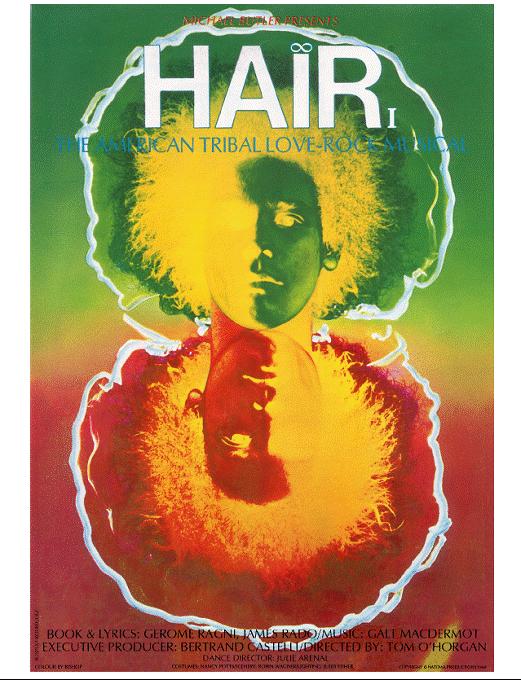
Harbin is a very virtual place – and I think this has to do with its culture or 'assemblage' in a Foucauldian sense – and this assemblage is both beautiful, unique and a discourse. In many ways, Harbin could have inspired "Hair: The Tribal Love-Rock Musical," except that Harbin is in northern California ~ Hair Poster.
{Eastern} Spirituality at Harbin
Harbin is also an ashram, in a sense. People come to Harbin in a similar way to that which they might spend time in an ashram in India, but this Harbin emerged in the 1970s in northern California with a lot of experimentation and innovation, and was created by a wide variety of hippies. Many of these folks went to India in the 60s and 70s and had spiritual teachers, from the East and West, but mostly with Eastern spiritual names. And around 2005, Harbin built its Temple, a very beautiful structure that harbinizes - harmonizes with and reflects a oneness - with a Harbin 'vision.'
At Harbin, some people are very sincere in their engagement with Indian spiritual traditions, through service, devotion, meditation or self-study, for example. Harbin, while supportive and receptive to these practices, is its own assemblage, with its own practices, which I see as embracing and innovating with some of these spiritual practices. The 1960s and 1970s also drew a lot on an amazingly widespread array of spiritual practices from the East, although Hinduism and India did feature prominently. And a fair number of people at Harbin - residents and guests - have and use spiritual names, for a variety of reasons.
Now, in 2008, people at Harbin are still engaging far-reaching spiritual language, but in a slightly less-widespread way as in the 1970s, I think.
I've seen some beautiful yoga asana (postures) done on the sun deck in the past few days. I think this is a result of the wide-spread growth of yoga beginning in the 1960s and 1970s.
And all of these practices bring practitioners at Harbin closer to a kind of oneness.
Envisioning the Possible
Harbin also shows people a whole new range of possibilities. Coming from outside – the SF Bay Area or northern California - it sort of 'resets' what you might think is possible to the possible again. Harbin is very cool this way. So, if one's been away from Harbin for a while, it reminds you that creative possibilities exist. And if you're completely new to Harbin, it can be very mind-expanding. In a sense, Harbin opens the possibility to envision things anew.
Harbin's Milieu
A day at Harbin tends to take on a life of its own in remarkable ways. People's 'flow' emerges in relation to Harbin's milieu. (Harbin may minimize cell phone use and wireless internet access to shape this possibility.)

...
Harbin is a very virtual place – and I think this has to do with its culture or 'assemblage' in a Foucauldian sense – and this assemblage is both beautiful, unique and a discourse. In many ways, Harbin could have inspired "Hair: The Tribal Love-Rock Musical," except that Harbin is in northern California ~ Hair Poster.
{Eastern} Spirituality at Harbin
Harbin is also an ashram, in a sense. People come to Harbin in a similar way to that which they might spend time in an ashram in India, but this Harbin emerged in the 1970s in northern California with a lot of experimentation and innovation, and was created by a wide variety of hippies. Many of these folks went to India in the 60s and 70s and had spiritual teachers, from the East and West, but mostly with Eastern spiritual names. And around 2005, Harbin built its Temple, a very beautiful structure that harbinizes - harmonizes with and reflects a oneness - with a Harbin 'vision.'
At Harbin, some people are very sincere in their engagement with Indian spiritual traditions, through service, devotion, meditation or self-study, for example. Harbin, while supportive and receptive to these practices, is its own assemblage, with its own practices, which I see as embracing and innovating with some of these spiritual practices. The 1960s and 1970s also drew a lot on an amazingly widespread array of spiritual practices from the East, although Hinduism and India did feature prominently. And a fair number of people at Harbin - residents and guests - have and use spiritual names, for a variety of reasons.
Now, in 2008, people at Harbin are still engaging far-reaching spiritual language, but in a slightly less-widespread way as in the 1970s, I think.
I've seen some beautiful yoga asana (postures) done on the sun deck in the past few days. I think this is a result of the wide-spread growth of yoga beginning in the 1960s and 1970s.
And all of these practices bring practitioners at Harbin closer to a kind of oneness.
Envisioning the Possible
Harbin also shows people a whole new range of possibilities. Coming from outside – the SF Bay Area or northern California - it sort of 'resets' what you might think is possible to the possible again. Harbin is very cool this way. So, if one's been away from Harbin for a while, it reminds you that creative possibilities exist. And if you're completely new to Harbin, it can be very mind-expanding. In a sense, Harbin opens the possibility to envision things anew.
Harbin's Milieu
A day at Harbin tends to take on a life of its own in remarkable ways. People's 'flow' emerges in relation to Harbin's milieu. (Harbin may minimize cell phone use and wireless internet access to shape this possibility.)
...
Subscribe to:
Posts (Atom)


 Posts
Posts