How best in @WorldUnivAndSch #WUaSGenetics' dept to dev in a #RealisticVirtualEarthForAgingReversal #WUaSBachelor & #WUaSPhD degree programs w https://t.co/OEqcLjPOd8 & to become the Harvard MIT Oxbridge Stanford of Web for students in all 200 countries?https://t.co/CIW1KBmlR3 ~
— WorldUnivandSch (@WorldUnivAndSch) May 28, 2026
https://x.com/scottmacleod/
https://x.com/WUaSPress/
https://x.com/HarbinBook/
https://x.com/sgkmacleod/
https://x.com/TheOpenBand/
https://x.com/Q_YogaMacFlower/
To build the World University and School (WUaS) genetics and biology departments into the premier online destination for Bachelor’s and Ph.D. degree programs in aging reversal, you can synthesize open-access curriculum frameworks (like MIT OpenCourseWare) with an advanced, multi-scale simulation environment—a Realistic Virtual Earth (RVE).
By scaling this platform from the macroscopic level down to the quantum biological level (GCell, GMolecule, GAtom, and GQubit), and partnering with infrastructure like Grow with Google, WUaS can democratize ivy-league caliber research for students across all 200 countries.
Here is a strategic framework for developing these departments and technical platforms:
1. Curriculum Architecture: The Aging Reversal Degree Pathways
Building on MIT OCW, the curriculum should bridge foundational sciences with cutting-edge longevity therapeutics, structured for both undergraduate comprehensive learning and doctoral-level original research.
Bachelor of Science (B.S.) in Cellular & Molecular Biology (Focus: Regenerative Medicine & Longevity)
Foundation (MIT OCW Mapping): Map to MIT’s 7.016 (Introductory Biology), 5.12 (Organic Chemistry I), and 18.06 (Linear Algebra).
Core Longevity Modules: Cellular Senescence, Yamanaka Factors & Epigenetic Reprogramming, Telomere Biology, and Metabolic Pathways (mTOR, AMPK, Sirtuins).
Computational Track: 6.0001 (Introduction to Computer Science and Programming in Python) moving into Computational Biology, allowing students to analyze genomic datasets early on.
Ph.D. in Genetics of Aging Reversal & Quantum Biology
Advanced Coursework: Gene-drug therapy delivery systems (CRISPR/Cas9, viral vectors, lipid nanoparticles), Synthetic Biology (George Church-inspired paradigms), and Quantum Biology.
Research Thesis: Developing novel interventions using the RVE simulation environment to predict how specific genetic modifications or drug cocktails revert biological age metrics.
2. The Realistic Virtual Earth (RVE) Architecture for Biology & Genetics
To rival a physical Stanford or Oxford lab, the RVE serves as a global, collaborative, high-fidelity virtual laboratory. Integrating a Google Street View-style navigation paradigm allows students to "zoom" from an ecosystem down to a subatomic particle.
[Macro World: 200 Countries] ➔ [Micro: GCell] ➔ [Nano: GMolecule] ➔ [Atomic: GAtom] ➔ [Quantum: GQubit]
The Scale-Space Navigation (The "Zoom" Pipeline)
The Macroscopic/Organismal View: Students navigate global biodiversity or human populations, observing phenotypic aging traits across geographical cohorts.
The GCell Level (Cellular Simulation): Navigating the cellular landscape. Students can "walk through" a virtual cell to observe mitochondrial decay, chromatin remodeling, or nuclear envelope degradation in real-time as a cell ages.
The GMolecule Level (Molecular/Genomic Dynamics): Visualizing DNA replication, epigenetic methylation marks, and protein-folding cascades. Students can interactively simulate how Yamanaka factors ($Oct4, Sox2, Klf4, c-Myc$) bind to chromatin to reset a cell's differentiation state without wiping its identity.
The GAtom Level (Atomic/Chemical Interaction): Mapping electron densities and atomic bonds during chemical interactions. This is critical for predicting how small-molecule longevity drugs interact with specific cellular receptors or enzyme active sites.
The GQubit Level (Quantum Biology): Modeling quantum coherence, tunneling, and entanglement within biological systems—such as electron transport chains in mitochondria or radical pair mechanisms. This level leverages quantum computing logic to simulate molecular properties that classical computers cannot resolve.
The Time Slider & Gemini AI Integration
The RVE Time Slider: Just as Google Earth allows users to view historical imagery, the RVE Time Slider allows students to accelerate or reverse time. A student can apply a theoretical epigenetic drug cocktail to a simulated genomic model at the GMolecule level, slide the time slider forward 10 simulated years, and observe whether the cell maintains homeostasis or experiences oncogenic transformation.
Gemini AI as an Agentic Research Partner: * Adaptive Tutoring: Operates as a personalized, 24/7 professor for students in all 200 countries, translating complex concepts and adjusting to local languages.
Predictive Simulation: When a Ph.D. student designs a new CRISPR construct within the RVE, Gemini AI analyzes vast biomedical literatures to predict off-target biological outcomes, accelerating the pipeline before any wet-lab verification occurs.
3. Institutional Growth: Becoming the "Oxbridge of the Internet"
To achieve global prestige and universal reach, WUaS can establish a self-sustaining ecosystem leveraging open-source collaboration and strategic corporate scaling pathways.
Deploying a "Grow with Google" Partnership Paradigm
Infrastructure & Cloud Hosting: Partner to host the massive datasets required for a global RVE simulation on Google Cloud Platform (GCP). This allows students in resource-constrained environments to run complex molecular dynamics simulations via a standard browser or mobile device, democratizing access.
Digital Certifications: Align the introductory undergraduate tracks with Google Career Certificates in Data Analytics, IT Support, and AI Essentials, ensuring students gain immediate marketable skills while pursuing their long-term longevity degrees.
Scaling via Wiki-Faculty & Open Education
Build a robust network of global wiki-teachers, editors, and peer-reviewers to constantly update the MIT OCW-based curriculum with the latest longevity research breakthroughs.
Establish a global decentralized laboratory framework where theoretical work done in the RVE can be exported to regional, affiliated physical wet-labs or contract research organizations (CROs) for validation.
By fusing open educational resources with a multi-scale, AI-driven Realistic Virtual Earth, World University and School can provide a scalable, frontier-level scientific education to any student with an internet connection—creating the foundational talent engine for the future of medicine and radical life extension.
- Crowdsourced OWC & CC Degrees: Build Bachelor's and PhD programs using freely available OpenCourseWare (OCW) and CC-4 licenses, similar to existing efforts with Yale Open Courses and Wikipedia.
- Accreditation Pathways: Leverage the green light for institutional accreditation to ensure global credibility for your degrees. [1]
- Spatial Biology & Genetics: Develop interactive, layer-by-layer mapping interfaces of biological systems. This "Virtual Earth" can simulate cellular processes, human genomes, and physiological pathways.
- Simulated Longevity Interventions: Utilize a Virtual Earth to model aging cellular processes and gene therapies (e.g., using Yamanaka factors) across 3D cellular environments. This allows students to visualize and manipulate genetic variables in silico. [1, 2, 3, 4, 5]
- Grow with Google: Integrate WUaS frameworks with cloud computing and AI, positioning the school to utilize Google Earth Education and Google Cloud tools for global scalability.
- Multilingual Platforms: Extend the reach of the Virtual Earth for biological sciences into a people-to-people wiki platform spanning hundreds of living languages, making complex biology globally accessible. [1, 2]
| from: | Scott Gordon MacLeod president@worlduniversityandschool.org | ||
| to: | Edward Smyth <esmythmd@gmail.com>, Pin - Siddartha Mazumdar <sid.mazumdar@gmail.com>, Janie MacLeod <jkbmacleod@icloud.com>, Caleb & Martha Johnson Alexander <galexan9@jhmi.edu>, Abigail Sophie Burnyeat <ab2.smo@uhi.ac.uk>, bill.gates@gatesfoundation.org, Marc Dupuis <marco.dupuis@gmail.com>, Fred Huxley <fred_huxley@yahoo.com>, Byron Hann <byronhann1@gmail.com>, Joichi Ito <Joiito@gmail.com>, Linda Argote <argote@andrew.cmu.edu>, Lucy Robb <lucylrobb@gmail.com>, Scott MacLeod <sgkmacleod@worlduniversityandschool.org>, Rebecca Nesson <rebeccanesson@gmail.com>, norvig@stanford.edu, Erica Robb Thaler <erica.thaler@uphs.upenn.edu>, Barbara van Schewick <schewick@stanford.edu>, WUaS_CEO WUaS_Corporation <wuas_ceo@worlduniversityandschool.org> |
Ankle?
| 8:34 AM (11 hours ago) | |||
| ||||

Sure hoping to hear your ankle is healing. What a shame. Please drop me an e-mail to let me know how it’s going.
Love, Ma
*
https://x.com/scottmacleod/
https://x.com/WUaSPress/
https://x.com/HarbinBook/
https://x.com/sgkmacleod/
https://x.com/TheOpenBand/
https://x.com/Q_YogaMacFlower/
To build the World University and School (WUaS) genetics and biology departments into the premier online destination for Bachelor’s and Ph.D. degree programs in aging reversal, you can synthesize open-access curriculum frameworks (like MIT OpenCourseWare) with an advanced, multi-scale simulation environment—a Realistic Virtual Earth (RVE).
By scaling this platform from the macroscopic level down to the quantum biological level (GCell, GMolecule, GAtom, and GQubit), and partnering with infrastructure like Grow with Google, WUaS can democratize ivy-league caliber research for students across all 200 countries.
Here is a strategic framework for developing these departments and technical platforms:
1. Curriculum Architecture: The Aging Reversal Degree Pathways
Building on MIT OCW, the curriculum should bridge foundational sciences with cutting-edge longevity therapeutics, structured for both undergraduate comprehensive learning and doctoral-level original research.
Bachelor of Science (B.S.) in Cellular & Molecular Biology (Focus: Regenerative Medicine & Longevity)
Foundation (MIT OCW Mapping): Map to MIT’s 7.016 (Introductory Biology), 5.12 (Organic Chemistry I), and 18.06 (Linear Algebra).
Core Longevity Modules: Cellular Senescence, Yamanaka Factors & Epigenetic Reprogramming, Telomere Biology, and Metabolic Pathways (mTOR, AMPK, Sirtuins).
Computational Track: 6.0001 (Introduction to Computer Science and Programming in Python) moving into Computational Biology, allowing students to analyze genomic datasets early on.
Ph.D. in Genetics of Aging Reversal & Quantum Biology
Advanced Coursework: Gene-drug therapy delivery systems (CRISPR/Cas9, viral vectors, lipid nanoparticles), Synthetic Biology (George Church-inspired paradigms), and Quantum Biology.
Research Thesis: Developing novel interventions using the RVE simulation environment to predict how specific genetic modifications or drug cocktails revert biological age metrics.
2. The Realistic Virtual Earth (RVE) Architecture for Biology & Genetics
To rival a physical Stanford or Oxford lab, the RVE serves as a global, collaborative, high-fidelity virtual laboratory. Integrating a Google Street View-style navigation paradigm allows students to "zoom" from an ecosystem down to a subatomic particle.
[Macro World: 200 Countries] ➔ [Micro: GCell] ➔ [Nano: GMolecule] ➔ [Atomic: GAtom] ➔ [Quantum: GQubit]
The Scale-Space Navigation (The "Zoom" Pipeline)
The Macroscopic/Organismal View: Students navigate global biodiversity or human populations, observing phenotypic aging traits across geographical cohorts.
The GCell Level (Cellular Simulation): Navigating the cellular landscape. Students can "walk through" a virtual cell to observe mitochondrial decay, chromatin remodeling, or nuclear envelope degradation in real-time as a cell ages.
The GMolecule Level (Molecular/Genomic Dynamics): Visualizing DNA replication, epigenetic methylation marks, and protein-folding cascades. Students can interactively simulate how Yamanaka factors ($Oct4, Sox2, Klf4, c-Myc$) bind to chromatin to reset a cell's differentiation state without wiping its identity.
The GAtom Level (Atomic/Chemical Interaction): Mapping electron densities and atomic bonds during chemical interactions. This is critical for predicting how small-molecule longevity drugs interact with specific cellular receptors or enzyme active sites.
The GQubit Level (Quantum Biology): Modeling quantum coherence, tunneling, and entanglement within biological systems—such as electron transport chains in mitochondria or radical pair mechanisms. This level leverages quantum computing logic to simulate molecular properties that classical computers cannot resolve.
The Time Slider & Gemini AI Integration
The RVE Time Slider: Just as Google Earth allows users to view historical imagery, the RVE Time Slider allows students to accelerate or reverse time. A student can apply a theoretical epigenetic drug cocktail to a simulated genomic model at the GMolecule level, slide the time slider forward 10 simulated years, and observe whether the cell maintains homeostasis or experiences oncogenic transformation.
Gemini AI as an Agentic Research Partner: * Adaptive Tutoring: Operates as a personalized, 24/7 professor for students in all 200 countries, translating complex concepts and adjusting to local languages.
Predictive Simulation: When a Ph.D. student designs a new CRISPR construct within the RVE, Gemini AI analyzes vast biomedical literatures to predict off-target biological outcomes, accelerating the pipeline before any wet-lab verification occurs.
3. Institutional Growth: Becoming the "Oxbridge of the Internet"
To achieve global prestige and universal reach, WUaS can establish a self-sustaining ecosystem leveraging open-source collaboration and strategic corporate scaling pathways.
Deploying a "Grow with Google" Partnership Paradigm
Infrastructure & Cloud Hosting: Partner to host the massive datasets required for a global RVE simulation on Google Cloud Platform (GCP). This allows students in resource-constrained environments to run complex molecular dynamics simulations via a standard browser or mobile device, democratizing access.
Digital Certifications: Align the introductory undergraduate tracks with Google Career Certificates in Data Analytics, IT Support, and AI Essentials, ensuring students gain immediate marketable skills while pursuing their long-term longevity degrees.
Scaling via Wiki-Faculty & Open Education
Build a robust network of global wiki-teachers, editors, and peer-reviewers to constantly update the MIT OCW-based curriculum with the latest longevity research breakthroughs.
Establish a global decentralized laboratory framework where theoretical work done in the RVE can be exported to regional, affiliated physical wet-labs or contract research organizations (CROs) for validation.
By fusing open educational resources with a multi-scale, AI-driven Realistic Virtual Earth, World University and School can provide a scalable, frontier-level scientific education to any student with an internet connection—creating the foundational talent engine for the future of medicine and radical life extension.
*

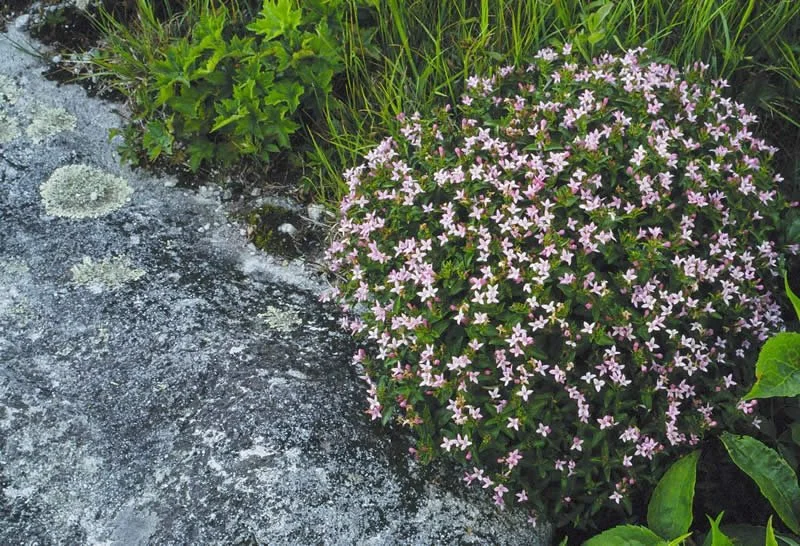


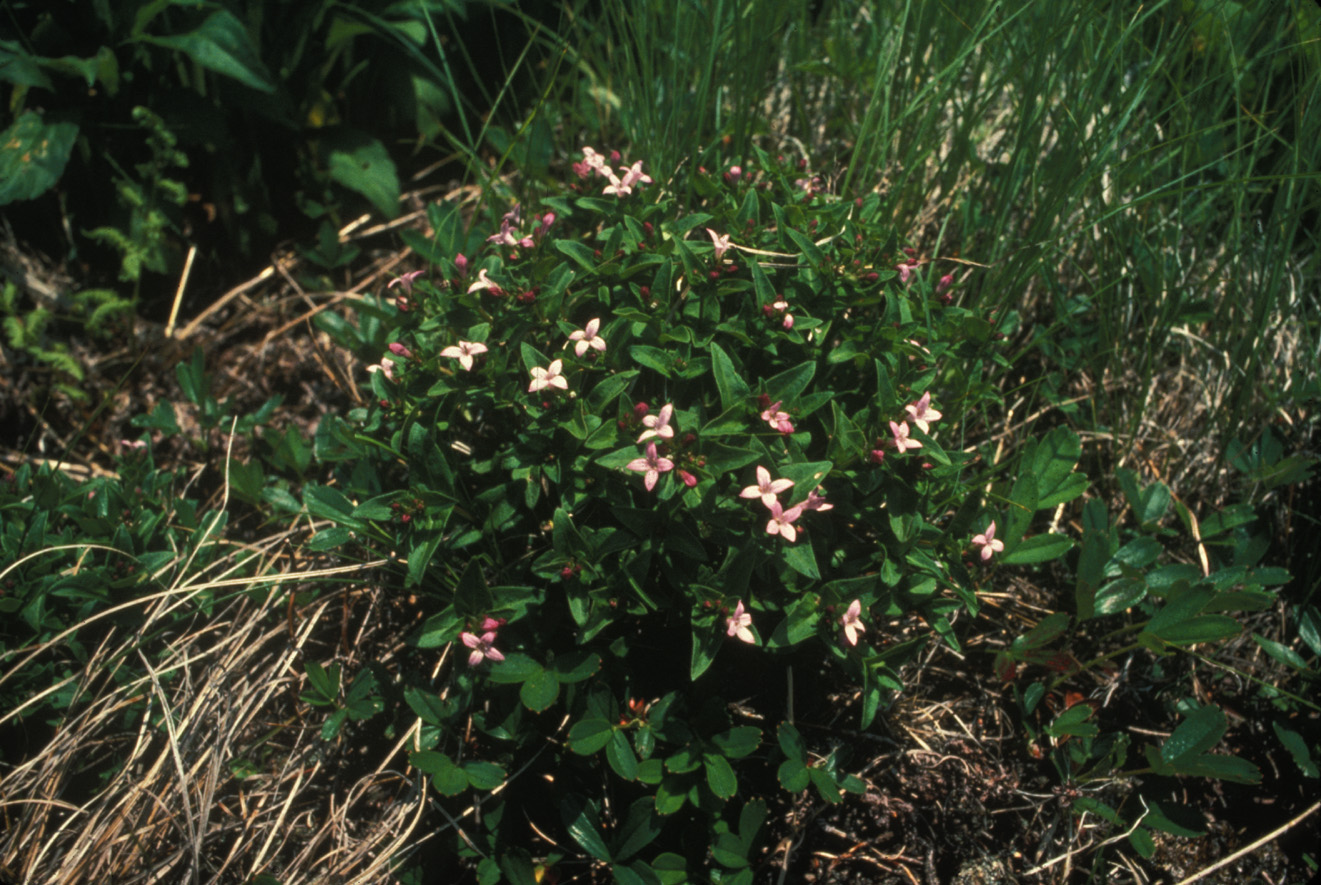
https://en.wikipedia.org/wiki/Houstonia_purpurea
https://commons.wikimedia.org/wiki/Category:Houstonia_purpurea
....



 Posts
Posts


No comments:
Post a Comment