To a global, virtual, free, open, {future degree- & credit-granting}, multilingual University & School for the developing world and everyone, as well as loving bliss ~ scottmacleod.com
George, might we explore developing a realistic virtual earth for genetics, a #RVEforAgingReversal, a #RVEforExtremeLongevity, a #RVEforYoga and especially a #RVEforDrugDiscovery in the Harvard Aging Research and Drug Discovery conference 10/1/26-10/3/26 - https://agingpharma.org/ - and regarding your invitation here - https://x.com/geochurch/status/2084958479148523537 ?
* * * *
Dear George (Church) Peter (Norvig, Google AI), Sundar (Pichai), Yoga friends, family in their 80s and 90s ~ Ma/Janie, and Alden (Briscoe - who went to Quaker George School in Philadelphia before Harvard college), & Quakertarian & Veterinarian & cousin Annie (Brown in NE Oregon) in her 60s, Dick (Robb MD, possibly posthumously, also an ophthalmology professor in Harvard Medical School - and might you Dick have helped develop the ongoing clinical trials for ER-100, epigenetic reprogramming for open-angle Glaucoma, and one other Glaucoma condition?, and see - https://share.google/aimode/uWGl5Ms0ZBrwk3sx6), and Maitreyi (Mazumdar MD - both professors in Harvard Medical School too), Vivek (Buch MD, professor of surgery in the Stanford Medical School), MacLeod kin or family, Doortje (Van Kooten, and Angela and your father Victor, and please forward), Valerie & Ed Smyth MDs, & Marlynn Wei MD JD (co-author of "The Harvard Medical School Guide to Yoga: 8 Weeks to Strength, Awareness, and Flexibility," 2017, Harvard Press), Pin/Sid Mazumdar, HHS, all,
A
Yoga greetings (as in 8 limbs of Yoga) for the email Restorative Yoga explorations' class on Saturday September 5, 2026 (and as we may live to 150 and well beyond:) ... around 8 am Your Time ...
Exploring further de-hunching over ... re Jane (above) my mother's seeking to extend her spine long and hunch over less ... and particularly for 80 and 90 year olds + ... but for everyone here ... (And who here is searching online for Yoga asana explorations they like and find helpful from home, and potentially daily with time - (and as we may live to 150 and well beyond:) )
I think my mother's finding great benefit from taking two movement classes a week ... Explore and as we may live to 150 and well beyond:) ?
B
Let's Yoga-explore
1
Siddhasana on a chair
Yoga meditation sitting on a chair (chair pose) or cross legged on a blanket on the floor - float your head up like a helium balloon to lengthen the spine
2
Urdhva hastasana on a chair
Then from sitting, extend arms up in sitting urdhva hastasana (upward salute) ... lengthening your inner arms long toward the sky
Then from your hands and knees, move your hands about 12 inches forward, - and then drop back your buttocks while still on your knees to lengthen from your rooting palms back through your buttocks, spine lengthening ... into a kind of downward dog pose (Adho Mukha Svanasana) for the upper body only, knees on the ground, buttocks a little behind the plumb line of your thighs ... and explore releasing into the traction you're creating from your spreading palms and fingers growing little roots into the floor...
Am looking for a drawing of this from one of Victor's 4 books ... but can't find presently ...
5
Then stand in Tadasana Mountain pose ... and then into upward salute, and then into a beginning back bend (as if you were going to do a drop back into Urdhva Dhanurasana, upward bow or wheel pose) arms lengthening up, legs rooting down
Savasana, head on a blanket, and possibly one under your knees too, laying yourself symmetrically down ... and covering yourself with a blanket ... for 10 minutes or so
George, Peter, Sundar, all, I found these related poses when searching on the following, and how best to develop scientific Yoga studies even in a #RealsiticVirtualEarthForYoga at World University and School which is in a #GrowWithGoogleWUaS program -
Searched on
yoga poses for aging reversal science experiments
Scientific studies suggest that regular yoga and meditation practices can positively influence molecular markers of aging, such as reducing oxidative stress and inflammation. [1]
Key Anti-Aging Yoga Poses
Downward-Facing Dog (Adho Mukha Svanasana): This mild inversion brings the head below the heart, which increases blood circulation to the face and head to support nutrient delivery to skin tissues. [1, 2]
Fish Pose (Matsyasana): This backbend opens the chest and stretches the neck, which helps improve posture, boost lymphatic drainage, and enhance oxygen supply to the upper body. [1]
Cat-Cow Pose (Marjaryasana-Bitilasana):Gentle spinal movements in this flow help activate the vagus nerve to lower stress-induced inflammatory chemicals in the body. [1]
Standing Forward Bend (Uttanasana): This deep fold reverses the pull of gravity on facial tissues and encourages restorative blood flow to the head. [1, 2]
What the Science Says
Research investigating gene expression shows that comprehensive yoga programs can increase antioxidant enzyme activities and regulate anti-apoptotic (cell-protecting) genes. [1]
Additional scientific reviews published in sources like ScienceDirect indicate that mindfulness and yogic lifestyles correlate with markers of cellular health, including oxidative stress mitigation and telomere maintenance. While yoga cannot literally "reverse" chronological time, scientific experiments show it successfully dampens physiological drivers of biological aging. [1]
And further how to study aging reversal and 8 limbs of Yoga and in a physical-digital realistic virtual earth for Yoga (in one iterating realistic virtual earth), and see -
Is there a standard for yoga poses asana emerging in scientific clinical studies of the health effects of Yoga poses on specific medical conditions?
Is there a standard for yoga poses asana & 8 limbs of Yoga emerging in scientific clinical studies of the health effects of Yoga poses on specific medical conditions that World University and School could develop for new yoga benefits scientific studies from home &
While there is no single global standard for yoga across all medical conditions, emerging consensus frameworks and standardized protocols are increasingly used in scientific clinical trials. These standards allow clinical trials to evaluate yoga’s health benefits systematically and offer a strong foundation for research initiatives at World University and School (WUaS).
Current Scientific Standards for Clinical Yoga Research
Rather than mandating a fixed sequence of asanas for all conditions, clinical research relies on standardized intervention guidelines and condition-specific protocols:
1. The Delphi Guidelines for Yoga Interventions
To resolve trial heterogeneity, international consensus panels established the Delphi Guidelines for Yoga Interventions in Musculoskeletal and Chronic Conditions. These guidelines standardize how protocols are structured and reported:
Dose & Parameter Rigor:Standardizing session frequency (e.g., 60-minute classes, 2–3 times per week over 8–12 weeks).
Core Components: Mandatory reporting on Asana (physical postures), Pranayama (breath regulation), and Dhyana/Dharana (meditation/mindfulness).
Adaptation Frameworks: Standardizing modifications (e.g., using chairs, blocks, or wall support) to ensure participant safety without losing therapeutic efficacy.
2. Condition-Specific Standardized Protocols
Chronic Low Back Pain:Standardized protocols developed by researchers (e.g., Boston Medical Center’s Yoga for Low Back Pain) are formally recognized in medical consensus guidelines such as those of the American College of Physicians (ACP) and the VA/DoD.
Oncology & Palliative Care: Integrative guidelines from the American Society of Clinical Oncology (ASCO) explicitly recommend standardized gentle/restorative yoga protocols for cancer-related fatigue, anxiety, and pain management.
Common Yoga Protocol (CYP): Protocols like the WHO/Ministry of Ayush Common Yoga Protocol are increasingly studied in trials measuring biological markers (e.g., vascular function, inflammatory cytokines, and CD34+ stem cell activity).
3. Integrating the 8 Limbs of Yoga in Research
While early western trials focused predominantly on Asana, current clinical neuroscience heavily evaluates the broader 8 Limbs framework (Ashtanga):
Yama & Niyama (Ethical & Behavioral Foundations): Measured via self-compassion, lifestyle compliance, and stress reduction scales.
Asana (Postures): Assessed for range of motion, biomechanics, muscle strength, and flexibility.
Pranayama (Breath Control): Measured via heart rate variability (HRV), vagal tone, and autonomic nervous system regulation.
Developing a Yoga Research Framework at World University and School
World University and School can leverage open educational tools, telemetry, and 3D geospatial environments to pioneer decentralized, remote yoga research:
1. Home-Based Scientific Data Collection (At-Home Tele-Yoga)
WUaS can host open-access protocols where participants practice from home while collecting verifiable data:
Wearable Sensor Integration: Track continuous biomarkers during practice—such as HRV (Pranayama effects), continuous glucose monitoring, and electrodermal activity (stress responses).
AI Computer Vision for Postural Alignment: Utilize lightweight motion-tracking via home webcams to monitor pose execution (Asana accuracy) and joint angles without requiring high-end laboratory gear.
Standardized Digital Health Metrics: Implement validated clinical survey batteries (e.g., PROMIS, Brief Pain Inventory) administered pre- and post-session.
2. Real-Time Telemetry & Digital Twins in a Virtual Earth
A realistic virtual Earth platform offers distinct methodological advantages for yoga science:
Interactive Biomechanical Visualization: Students and researchers can view real-time 3D anatomical models (showing muscle activation, joint loads, and spinal alignment) corresponding to specific asanas within a virtual environment.
Avatar-Guided Standardized Instruction: Ensure 100% protocol fidelity across global study cohorts by delivering avatar-led sessions that eliminate instructor variability in multi-center trials.
Global Longitudinal Cohorts: Enable participants worldwide to join synchronized, remote clinical trials in shared virtual studios, capturing diverse demographic and health datasets.
Yes, frameworks like the Medical Yoga Standardized Intervention (MOSI) are emerging to create a unified language and structure for clinical yoga research. [1]
For decades, scientific studies on the health effects of yoga faced major hurdles regarding intervention heterogeneity—meaning different trials used vastly different asana combinations, naming conventions, doses, and styles (such as Hatha or Iyengar). This lack of uniformity made it difficult for conventional healthcare providers to replicate results or prescribe precise protocols for specific conditions like chronic low back pain, hypertension, or type 2 diabetes. [1, 2, 3]
To solve this, researchers and clinical methodologists are actively developing standardized taxonomies and theoretical models. For instance: [1]
The MOSI Framework: This model organizes traditional yoga practices into a reproducible four-layer architecture (covering self-care, intention, practice, and awareness) designed specifically for clinical implementation. [1]
Condition-Specific Modules: Clinical trials targeting particular ailments—such as musculoskeletal disorders or thyroid imbalances—increasingly rely on pre-validated, peer-reviewed "yoga modules" rather than randomized sets of poses. [1, 2]
Sham Yoga Controls: Researchers have even developed specific "sham yoga" stretching protocols to act as controlled placebos in randomized trials, helping isolate the precise biomechanical or physiological benefits of true therapeutic asanas. [1]
If you want, tell me:
Which specific medical condition are you researching?
Are you looking for standardized asana sequences or dosage guidelines (frequency and duration)?
I can share more details on the specific clinical protocols used for that condition.
Explore a theoretical model for clinical implementation in the SAGE Journals.
George, might we explore developing a realistic virtual earth for genetics, a #RVEforAgingReversal, a #RVEforExtremeLongevity, a #RVEforYoga and especially a #RVEforDrugDiscovery in the Harvard Aging Research and Drug Discovery conference 10/1/26-10/3/26 - https://agingpharma.org/ - and regarding your invitation here - https://x.com/geochurch/status/2084958479148523537 ?
Apologies that we can't join a Zoom Yoga hall for restorative Yoga explorations Saturday at 8am Pacific time from Canyon CA 94516 as I and the WUaS World University and School online Academic Medical Center continue to seek to move forward further into a newly safe, vacant, with property deed 670 Ridgecrest Rd, Canyon 94516, but please stay tuned for upcoming Saturdays.
Yogically (as in 8 limbs of Yoga) re uniting seeing with seer envisioning - wise, Desiderata prose poem greetings (https://www.desiderata.com/desiderata.html), abolitionally, Namaste (the light within salutes the light within you), warm regards,
Scott
Lotus pedunculatus (big trefoil): Restorative Yoga class on Saturdays (and as we may live to 150 and well beyond:)? ~ now from free World Univ & Sch * Is there a standard for yoga poses asana emerging in scientific clinical studies of the health effects of Yoga poses on specific medical conditions? * George, might we explore developing a realistic virtual earth for genetics, a #RVEforAgingReversal, a #RVEforExtremeLongevity, a #RVEforYoga and especially a #RVEforDrugDiscovery in the Harvard Aging Research and Drug Discovery conference 10/1/26-10/3/26 - https://agingpharma.org/ - and regarding your invitation here - https://x.com/geochurch/status/2084958479148523537 ?
In WUaS growing a worldwide abolition movement to protect people, I removed about 10 emails that I got bounce backs from at yogamacflower@gmail.com, and I also didn't receive any of today's Friday, September 4, 2026, restorative Yoga explorations, and as we may live to 150 and well beyond, to my other emails so am sending from World University and School from wuascorpceoclerk@worlduniversityandschool.org, and since these restorative Yoga explorations' course are in some ways part of a free open World University and School course too.
- Scott GK MacLeod Founder, President, CEO & Professor at / of best STEAM CC licensed OCW, Wiki, World University & School (WUaS) - USPS US Post Office, PO Box 132, General Delivery, Canyon, CA 94516
1) non-profit 501(c)(3) Public Charity building on CC-4 licensed MIT OCW in 7 languages -
Dear Yoga friends, family in their 80s and 90s' ~ Ma/Janie, and Alden (Briscoe - who went to Quaker George School in Philadelphia before Harvard college), & Quakertarian & Veterinarian & cousin Annie (Brown in NE Oregon) in her 60s, Dick (Robb MD, possibly posthumously, also an ophthalmology professor in Harvard Medical School - and might you Dick have helped develop the ongoing clinical trials for ER-100, epigenetic reprogramming for open-angle Glaucoma, and one other Glaucoma condition?, and see - https://share.google/aimode/uWGl5Ms0ZBrwk3sx6), and George (Church) and Maitreyi (Mazumdar MD - both professors in Harvard Medical School too), Vivek (Buch MD, in the Stanford Medical School) MacLeod kin or family, Peter (Norvig, Stanford AI), Doortje (Van Kooten, and Angela and your father Victor, and please forward), Valerie & Ed Smyth MDs, & & Marlynn Wei MD JD (co-author of "The Harvard Medical School Guide to Yoga: 8 Weeks to Strength, Awareness, and Flexibility," 2017, Harvard Press), Pin/Sid Mazumdar, HHS, all,
A
Yoga greetings (as in 8 limbs of Yoga) from Berkeley, California, for this email Restorative Yoga explorations' class on Saturday August 29, 2026 (and as we may live to 150 and well beyond:) ... around 8 am Your Time ...
A 1
On Cuttyhunk island, Massachusetts, last Sat 8/22/26, taught my mother, Janie, above some Yoga poses for Yoga reversing her hunching over ... 1) Urdhva Hastasana, 2) partner pose explorations, back to back, of my giving my mother traction upwardly from holding her wrists, and then gently extending her into a beginning back bend over my back, then 3) in Tadasana, clasping fingers behind back, extending arms down, then releasing arms and hands away from buttocks to open front chest, and de-hunch-over further, then 4) sitting on a chair, coming into a forward bend, thumbs first pressing down at tops of thighs, while releasing the spine forward into the space between thigh bones , whole torso and head on lengthening forward into this forward bend, 5) then Yoga meditation / like in Quaker meeting too, head floating up like a helium balloon, lengthening the spine like the string attached to this helium balloon of head, as you drop down through your buttocks and release the heads of your thigh bones onto the chair too ... but couldn't stream this little family Yoga class easily ...
A 2
Let's explore these Yoga asanas / poses further for tomorrow's restorative Yoga asana exploratorations, and here are some images / pictures
Bb) Urdhva Hastasana into a slight backbend (which eventually could lead even into drop backs into Urdhva Dhanurasana ... in long and focused Yoga asana practicing) rooting down through your legs ... (but without the partner pose explorations, back to back, of my giving my mother traction upwardly from holding her wrists, and then gently extending her with traction into a beginning back bend over my back) ... traction can be so restoratively wonderful in partner Yoga poses especially .
Urdhva Hastasana (upward salute) into a slight 'Back bend progress (Urdhvasana)'
Cc) in Tadasana, clasping fingers behind back, extending arms down, then releasing arms and hands away from buttocks to open front chest, and de-hunch-over further -
Shoulder Stretch Hands Behind Back Interlaced Fingers Yoga (Tadasana Paschima Baddhanguliyasana) | Yoga Sequences, Benefits, Variations, and Sanskrit Pronunciation |
Dd) Forward bend on chair - sitting on a chair, coming into a forward bend, thumbs first pressing down at tops of thighs, while releasing the spine forward into the space between thigh bones , whole torso and head on lengthening forward into this forward bend
Ee) then Yoga meditation sitting on chair / like in unprogrammed silent Friends' Quaker meeting too, head floating up like a helium balloon, lengthening the spine like the string attached to this helium balloon of head, as you drop down through your sits' bones releasing the heads of your thigh bones onto the chair too, and releasing internally
which is a kind of prana - or inner releasing energy - (re Pranayama too, the 4th limb of Yoga, and Pratyahara, withdrawal of the senses too, the 5th limb of Yoga, and a little like a tortoise releases head and limbs into its shell - to riff with)
6
Further, how to begin to work with tremors with Yoga asana, and regarding a great Stanford Continuing Medical Education talk by Dr. Vivek Buch MD presentation, and as we may live to 150 years of age and beyond :)
And how might World University and School begin to develop in collaboration with Stanford Medicine, with Dr. Vivek Buch, and Harvard Medical School with Dr. Maitreyi Mazumdar MD, Dr. Marlynn Wei MD JD, and Dr. George Church online clinical trials potentially to develop further scientific and academic literature of the benefits of Yoga asana and 8 limbs of Yoga - and especially regarding the brain's Language of Electricity which Dr. Vivek Buch MD talked about, and see -
#DrVivekBuch, thanks https://stanford.cloud-cme.com/course/courseoverview?P=0&EID=56979 How to improve #BrainAnatomyMapping (beyond #LanguageOfElectricity) & @ #Gcell, #Gmolecule levels eg for tremor, & in a #RVEforBrainCircuits, a #RealisticVirtualEarthForSurgery #RVEforYogaAsana (re #GStreetView w #GTimeSlider, #GMaps)?
Apologies that we can't join a Zoom Yoga hall tomorrow at 8am Pacific time from Canyon CA 94516 as I and the WUaS World University and School online Academic Medical Center continue to seek to move forward further into a newly safe, vacant, with property deed 670 Ridgecrest Rd, Canyon 94516, but please stay tuned for upcoming Saturdays.
Yogically (as in 8 limbs of Yoga) re uniting seeing with seer envisioning - wise, Desiderata prose poem greetings (https://www.desiderata.com/desiderata.html), Namaste (the light within salutes the light within you), warm regards,
How best with Yoga asana to begin to examine different electrical patterns re the language of the brain with different yoga poses regarding reversing essential tremor ?
1
Google Share AI mode -
How best with Yoga asana to begin to examine different electrical patterns re the language of the brain with different yoga poses regarding reversing essential tremor and develop even clinical trials for efficacy testing etc re the NIH and possibly FDA too for relevant pharmaceuticals?
How best with Yoga asana to begin to examine different electrical patterns are the language of the brain with different yoga poses regarding reversing essential tremor and develop even clinical trials for efficacy testing etc re the NIH and possibly FDA too for relevant pharmaceuticals?
+14
To investigate how different yoga asanas (poses) modify the brain's electrical patterns—specifically looking to downregulate the hyper-oscillatory neural circuits driving Essential Tremor (ET)—you must map ancient somatic movements directly to modern electroencephalography (EEG) metrics. [1, 2]
Transitioning this idea into an NIH-funded clinical trial or an FDA-regulated drug/device protocol requires a rigorous, multi-step neuroscientific framework.
Step 1: Mapping Asanas to Brainwaves & Motor Circuits
Essential Tremor is primarily driven by abnormal, synchronized oscillations (typically 4–12 Hz) within the cerebello-thalamo-cortical circuit. To alter these electrical languages using yoga, you should classify asanas by their biomechanical and neuro-proprioceptive effects: [1]
Electrical Target: Isolates baseline brainwave shifts during Pranayama (breath control), suppressing erratic Beta oscillations linked with motor stress. [1]
Step 2: Designing the EEG Biomarker Framework
Before moving to a clinical trial, you must establish an experimental testing pilot: [1]
Mobile, High-Density EEG: Use a dry-sensor or gel-based wireless EEG cap (e.g., 32 or 64 channels) that is stable during movement.
Synchronized Electromyography (EMG): Place surface EMG sensors on the affected muscle groups (e.g., wrist extensors).
Data Isolation: Run Corticomuscular Coherence (CMC) analysis to calculate the exact mathematical alignment between the brain's motor cortex rhythms and the hand's tremor frequency.
The Goal: Prove that a specific asana sequence breaks the locked, pathological synchronization between the cortex and the periphery. [1, 2]
Step 3: Navigating the NIH & Designing Clinical Trials
To secure funding from the National Institutes of Health (NIH)—specifically through agencies like the National Center for Complementary and Integrative Health (NCCIH) or the National Institute of Neurological Disorders and Stroke (NINDS)—you must structure your research into sequential phases:
Focus: Can patients with ET safely perform these poses? Does a single 30-minute session yield immediate changes in EEG microstates or tremor amplitude? [1, 2]
Phase II: Efficacy Testing (NIH R01 or R33 Mechanism):
Focus: A randomized, controlled trial (RCT) comparing a standardized 12-week Yoga Asana protocol against an active control group (e.g., basic stretching or light calisthenics).
Primary Outcomes: Quantitative tremor reduction using the The Essential Tremor Rating Assessment Scale (TETRAS) alongside calibrated accelerometer data. [1, 2]
Step 4: The FDA and Pharmaceutical Integration
If your end goal involves the FDA, your path depends on whether you view yoga as a standalone "Digital/Somatic Therapeutic" or as an adjuvant to existing medications (like Propranolol or Primidone):
Yoga as an Adjuvant (Combination Protocol): You can propose a trial evaluating if yoga alters cortical excitability, effectively increasing the efficacy of lower pharmaceutical doses. This minimizes drug side effects while optimizing tremor control. []
FDA Mobile/Software Regulation: If you develop an app that uses wearable sensors to guide patients into specific asanas based on real-time tremor frequencies (biofeedback), the software component may require FDA clearance as a Software as a Medical Device (SaMD).
Actionable Next Steps
To transform this multidisciplinary concept into reality, consider focusing on these immediate milestones:
Form a Triad Partnership: Partner with a neurologist specializing in movement disorders, a neuroscientist expert in EEG/signal processing, and a certified yoga therapist (C-IAYT). [1, 2]
Draft a Pilot Protocol: Outline a 4-week, 3-pose protocol specifically tailored for individuals with postural hand tremors. [1]
Search Existing Frameworks: Review open grants on the NIH RePORTER database using keywords like "NCCIH movement disorder" to see how comparable mind-body mechanics achieved federal funding.
If you would like to map out a specific phase, please tell me: Do you want to focus first on a formal pilot study protocol, details on securing specific NIH grant types, or the EEG engineering requirements needed to capture data cleanly during movement.
AND
2
Gemini
How best with Yoga asana to begin to examine different electrical patterns re the language of the brain with different yoga poses regarding reversing essential tremor and develop even clinical trials for efficacy testing etc re the NIH and similar?
Investigating how specific yoga asanas modulate central electrical oscillations to address Essential Tremor (ET) requires bridging high-density neuroimaging with structured clinical trial protocols. Because ET is primarily driven by hyper-synchronous oscillatory activity in the cerebello-thalamo-cortical loop (typically presenting as 4–12 Hz kinetic and postural tremors), evaluating yoga's potential to damp this circuit involves a clear multi-phase roadmap.
Phase 1: Mapping Asana to Electrophysiological Signals
To isolate the "electrical language" of the brain during specific movement or stillness profiles, design a laboratory-based observational protocol.
1. Neuroimaging Instrumentation
Mobile High-Density EEG (64+ Channels): Use active-electrode, motion-artifact-compensated EEG caps equipped with accelerometry and electromyography (EMG) on tremor-affected muscle groups (e.g., forearm extensors/flexors).
Signal Demixing: Apply Independent Component Analysis (ICA) and Artifact Subspace Reconstruction (ASR) to clean motion artifacts induced by movement or the tremor itself.
Target Biomarkers:
Cerebellar & Sensorimotor Rhythms (Mu / Beta band, 13–30 Hz): Measure power spectral density and functional connectivity between the primary motor cortex (M1) and supplementary motor area (SMA).
Alpha (8–12 Hz) & Theta (4–7 Hz) Synchronization: Track how restorative, supported postures influence central autonomic regulation and corticomuscular coherence (CMC).
2. Asana Categorization Framework
Categorize postures by their motor-unit recruitment and autonomic impact rather than just tradition:
Chart
Asana Category
Biomechanical Focus
Target Electrical / Neuromuscular Shift
Supported Restorative (e.g., Supta Baddha Konasana with props)
Down-regulation of sympathetic drive; passive spinal elongation.
Increase in global Alpha/Theta power; reduction of central hyper-excitability.
Weight-Bearing Isometric (e.g., Bharadvajasana or mild plank variations)
Co-contraction, proprioceptive resetting, and joint stabilization.
Modulations in Beta-band desynchronization (ERD) over motor areas.
Rhythmic spinal articulation paired with paced respiration (0.1\text{ Hz}).
Phase-locking of vagal nerve tone with cortical slow-wave dynamics.
Phase 2: Hypothesis & Proposed Mechanism of Action
Your trial design should center on testing specific physiological mechanisms:
Corticomuscular Uncoupling: Does down-regulating stress via slow breathing (Pranayama) and supported grounding postures reduce the gain in the cerebello-thalamo-cortical circuit, decoupling central oscillatory drivers from peripheral EMG output?
Neuroplastic Cortical Inhibition: Post-intervention, does consistent practice restore GABAergic intracortical inhibition—which is frequently deficient in essential tremor populations?
Phase 3: Developing a Rigorous Clinical Trial (NIH Alignment)
To meet the standards of the National Institutes of Health (NIH)—specifically National Center for Complementary and Integrative Health (NCCIH) or National Institute of Neurological Disorders and Stroke (NINDS)—follow a staged trial trajectory.
Step A: Phase I / Feasibility Pilot Study (R21 / R34 Grant Pathway)
Design: Single-arm or small 2-arm pilot (n = 20\text{–}30) assessing feasibility, safety, and preliminary signal.
Primary Outcomes: Adherence rates, safety logs, and change on the TETRAS (The Essential Tremor Rating Assessment Scale).
Secondary Outcomes: Quantitative kinematic tremor metrics (via 3D accelerometers) and electrophysiological shifts (pre/post intervention EEG power spectral density).
Step B: Phase II Multi-Center RCT (U01 / R01 Grant Pathway)
Active Control (e.g., light-stretching or seated upper-extremity physical therapy).
Waitlist / Usual Care Control.
Blinding: Blind the neurological assessors and EEG data analysts to group assignments (single-blind design).
Clinical Endpoints:
Primary: Change in TETRAS performance and activities of daily living (ADL) scores.
Secondary: Sensorimotor EEG coherence, Quality of Life (QUEST score), and resting-state fMRI functional connectivity.
Practical Next Steps for Research Design
IRB Protocol Preparation: Secure Institutional Review Board clearance for non-invasive electrophysiological recording during mild physical activity.
Form a Cross-Disciplinary Team: Partner with a movement disorder neurologist, a biomedical engineer specializing in signal processing/EEG, and an experienced yoga researcher or physical therapist.
Register the Protocol: Register the finalized study design on ClinicalTrials.gov prior to recruitment to establish transparency and institutional credibility
(and Pin / Siddhartha Mazumdar above wrote for The Crimson too)
* * * *
Scott MacLeod<sgkmacleod@worlduniversityandschool.org>
5:56 PM (2 hours ago)
Add reaction
Reply
More
to vpbuch, Scott, Alice
Dr. Vivek Buch,
Greetings, and here are the questions, slightly expanded, I asked during your excellent and great presentation:
Dr. Vivek Buch, thanks and excellent! How best to improve anatomy mapping of the brain (beyond the 'language' of electricity) and at the cell, molecular, atomic, and even qubit levels eg for essential tremor - and in a #RealisticVirtualEarthForBrainScience, a #RVEforBrainCircuits, a #RealisticVirtualEarthForSurgery (and think Google Street View with G time slider, G Maps, and with little Pegman becoming out #AvatarAgentElectronicHealthRecords ... and in a #RVEforGenetics, and a #RVEforYogaAsana and a #RVEforClinicalTrials, #Hashtags on #TwitterX and #Linkedin) at World University and School ~200 planned medical schools, building on MIT OCW in 7 languages? And brainstorming how to explore developing Toyota Humanoid Robotic MD professors of surgery, in all 200 countries' main languages, to do such essential tremor surgeries?
#DrVivekBuch, thanks https://stanford.cloud-cme.com/course/courseoverview?P=0&EID=56979 How to improve #BrainAnatomyMapping (beyond #LanguageOfElectricity) & @ #Gcell, #Gmolecule levels eg for tremor, & in a #RVEforBrainCircuits, a #RealisticVirtualEarthForSurgery #RVEforYogaAsana (re #GStreetView w #GTimeSlider, #GMaps)?
How best with Yoga asana to begin to examine different electrical patterns re the language of the brain with different yoga poses regarding reversing essential tremor ?
1
Google Share AI mode -
How best with Yoga asana to begin to examine different electrical patterns re the language of the brain with different yoga poses regarding reversing essential tremor and develop even clinical trials for efficacy testing etc re the NIH and possibly FDA too for relevant pharmaceuticals?
how best with Yoga asana to begin to examine different electrical patterns are the language of the brain with different yoga poses regarding reversing essential tremor and develop even clinical trials for efficacy testing etc re the NIH and possibly FDA too for relevant pharmaceuticals?
+14
To investigate how different yoga asanas (poses) modify the brain's electrical patterns—specifically looking to downregulate the hyper-oscillatory neural circuits driving Essential Tremor (ET)—you must map ancient somatic movements directly to modern electroencephalography (EEG) metrics. [1, 2]
Transitioning this idea into an NIH-funded clinical trial or an FDA-regulated drug/device protocol requires a rigorous, multi-step neuroscientific framework.
Step 1: Mapping Asanas to Brainwaves & Motor Circuits
Essential Tremor is primarily driven by abnormal, synchronized oscillations (typically 4–12 Hz) within the cerebello-thalamo-cortical circuit. To alter these electrical languages using yoga, you should classify asanas by their biomechanical and neuro-proprioceptive effects: [1]
Electrical Target: Isolates baseline brainwave shifts during Pranayama (breath control), suppressing erratic Beta oscillations linked with motor stress. [1]
Step 2: Designing the EEG Biomarker Framework
Before moving to a clinical trial, you must establish an experimental testing pilot: [1]
Mobile, High-Density EEG: Use a dry-sensor or gel-based wireless EEG cap (e.g., 32 or 64 channels) that is stable during movement.
Synchronized Electromyography (EMG): Place surface EMG sensors on the affected muscle groups (e.g., wrist extensors).
Data Isolation: Run Corticomuscular Coherence (CMC) analysis to calculate the exact mathematical alignment between the brain's motor cortex rhythms and the hand's tremor frequency.
The Goal: Prove that a specific asana sequence breaks the locked, pathological synchronization between the cortex and the periphery. [1, 2]
Step 3: Navigating the NIH & Designing Clinical Trials
To secure funding from the National Institutes of Health (NIH)—specifically through agencies like the National Center for Complementary and Integrative Health (NCCIH) or the National Institute of Neurological Disorders and Stroke (NINDS)—you must structure your research into sequential phases:
Focus: Can patients with ET safely perform these poses? Does a single 30-minute session yield immediate changes in EEG microstates or tremor amplitude? [1, 2]
Phase II: Efficacy Testing (NIH R01 or R33 Mechanism):
Focus: A randomized, controlled trial (RCT) comparing a standardized 12-week Yoga Asana protocol against an active control group (e.g., basic stretching or light calisthenics).
Primary Outcomes: Quantitative tremor reduction using the The Essential Tremor Rating Assessment Scale (TETRAS) alongside calibrated accelerometer data. [1, 2]
Step 4: The FDA and Pharmaceutical Integration
If your end goal involves the FDA, your path depends on whether you view yoga as a standalone "Digital/Somatic Therapeutic" or as an adjuvant to existing medications (like Propranolol or Primidone):
Yoga as an Adjuvant (Combination Protocol): You can propose a trial evaluating if yoga alters cortical excitability, effectively increasing the efficacy of lower pharmaceutical doses. This minimizes drug side effects while optimizing tremor control. []
FDA Mobile/Software Regulation: If you develop an app that uses wearable sensors to guide patients into specific asanas based on real-time tremor frequencies (biofeedback), the software component may require FDA clearance as a Software as a Medical Device (SaMD).
Actionable Next Steps
To transform this multidisciplinary concept into reality, consider focusing on these immediate milestones:
Form a Triad Partnership: Partner with a neurologist specializing in movement disorders, a neuroscientist expert in EEG/signal processing, and a certified yoga therapist (C-IAYT). [1, 2]
Draft a Pilot Protocol: Outline a 4-week, 3-pose protocol specifically tailored for individuals with postural hand tremors. [1]
Search Existing Frameworks: Review open grants on the NIH RePORTER database using keywords like "NCCIH movement disorder" to see how comparable mind-body mechanics achieved federal funding.
If you would like to map out a specific phase, please tell me: Do you want to focus first on a formal pilot study protocol, details on securing specific NIH grant types, or the EEG engineering requirements needed to capture data cleanly during movement.
AND
2
Gemini
How best with Yoga asana to begin to examine different electrical patterns re the language of the brain with different yoga poses regarding reversing essential tremor and develop even clinical trials for efficacy testing etc re the NIH and similar?
Investigating how specific yoga asanas modulate central electrical oscillations to address Essential Tremor (ET) requires bridging high-density neuroimaging with structured clinical trial protocols. Because ET is primarily driven by hyper-synchronous oscillatory activity in the cerebello-thalamo-cortical loop (typically presenting as 4–12 Hz kinetic and postural tremors), evaluating yoga's potential to damp this circuit involves a clear multi-phase roadmap.
Phase 1: Mapping Asana to Electrophysiological Signals
To isolate the "electrical language" of the brain during specific movement or stillness profiles, design a laboratory-based observational protocol.
1. Neuroimaging Instrumentation
Mobile High-Density EEG (64+ Channels): Use active-electrode, motion-artifact-compensated EEG caps equipped with accelerometry and electromyography (EMG) on tremor-affected muscle groups (e.g., forearm extensors/flexors).
Signal Demixing: Apply Independent Component Analysis (ICA) and Artifact Subspace Reconstruction (ASR) to clean motion artifacts induced by movement or the tremor itself.
Target Biomarkers:
Cerebellar & Sensorimotor Rhythms (Mu / Beta band, 13–30 Hz): Measure power spectral density and functional connectivity between the primary motor cortex (M1) and supplementary motor area (SMA).
Alpha (8–12 Hz) & Theta (4–7 Hz) Synchronization: Track how restorative, supported postures influence central autonomic regulation and corticomuscular coherence (CMC).
2. Asana Categorization Framework
Categorize postures by their motor-unit recruitment and autonomic impact rather than just tradition:
Chart
Asana Category
Biomechanical Focus
Target Electrical / Neuromuscular Shift
Supported Restorative (e.g., Supta Baddha Konasana with props)
Down-regulation of sympathetic drive; passive spinal elongation.
Increase in global Alpha/Theta power; reduction of central hyper-excitability.
Weight-Bearing Isometric (e.g., Bharadvajasana or mild plank variations)
Co-contraction, proprioceptive resetting, and joint stabilization.
Modulations in Beta-band desynchronization (ERD) over motor areas.
Rhythmic spinal articulation paired with paced respiration (0.1\text{ Hz}).
Phase-locking of vagal nerve tone with cortical slow-wave dynamics.
Phase 2: Hypothesis & Proposed Mechanism of Action
Your trial design should center on testing specific physiological mechanisms:
Corticomuscular Uncoupling: Does down-regulating stress via slow breathing (Pranayama) and supported grounding postures reduce the gain in the cerebello-thalamo-cortical circuit, decoupling central oscillatory drivers from peripheral EMG output?
Neuroplastic Cortical Inhibition: Post-intervention, does consistent practice restore GABAergic intracortical inhibition—which is frequently deficient in essential tremor populations?
Phase 3: Developing a Rigorous Clinical Trial (NIH Alignment)
To meet the standards of the National Institutes of Health (NIH)—specifically National Center for Complementary and Integrative Health (NCCIH) or National Institute of Neurological Disorders and Stroke (NINDS)—follow a staged trial trajectory.
Step A: Phase I / Feasibility Pilot Study (R21 / R34 Grant Pathway)
Design: Single-arm or small 2-arm pilot (n = 20\text{–}30) assessing feasibility, safety, and preliminary signal.
Primary Outcomes: Adherence rates, safety logs, and change on the TETRAS (The Essential Tremor Rating Assessment Scale).
Secondary Outcomes: Quantitative kinematic tremor metrics (via 3D accelerometers) and electrophysiological shifts (pre/post intervention EEG power spectral density).
Step B: Phase II Multi-Center RCT (U01 / R01 Grant Pathway)
Active Control (e.g., light-stretching or seated upper-extremity physical therapy).
Waitlist / Usual Care Control.
Blinding: Blind the neurological assessors and EEG data analysts to group assignments (single-blind design).
Clinical Endpoints:
Primary: Change in TETRAS performance and activities of daily living (ADL) scores.
Secondary: Sensorimotor EEG coherence, Quality of Life (QUEST score), and resting-state fMRI functional connectivity.
Practical Next Steps for Research Design
IRB Protocol Preparation: Secure Institutional Review Board clearance for non-invasive electrophysiological recording during mild physical activity.
Form a Cross-Disciplinary Team: Partner with a movement disorder neurologist, a biomedical engineer specializing in signal processing/EEG, and an experienced yoga researcher or physical therapist.
Register the Protocol: Register the finalized study design on ClinicalTrials.gov prior to recruitment to establish transparency and institutional credibility
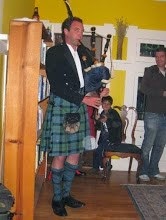
Scott's an anthropologist of #PhysicalDigital Harbin Hot Springs' Heart Consciousness Church @HarbinBook (on #TwitterX), as ethnographic field site - https://goo.gl/maps/7gSsSTweRCBo9gf87 - who is currently writing "Society, Info Tech & the Global Univ", who also finds fascinating the internet, ideas, poetry, sociology, art, science, genetics of aging reversal & extreme longevity drug therapies emerging (with FDA approval), philosophy, history, music, love and life ~ as well as the anthropology of info tech & counterculture :) - scottmacleod.com; Am also the president or head of, and professor at, best STEAM CC OCW wiki World Univ & Sch & Academic @WUaSPress, planned in 7,159 living languages with machine translation, (aka the WUaS Corp) planning free online degrees in ~200 countries & in their main languages, where you can #WikiTeach, or #WikiLearn, or #WikiCreate - https://wiki.worlduniversityandschool.org/wiki/Subjects (See too "Yoga Notations": http://www.scottmacleod.com/yoganotations.html). Identity-wise, a Nontheist f/Friendly Quaker - a NtF or NtQ - with Unitarian Universalist sympathies as well, and a player of Scottish bagpipes, & an academic


_(Greater_Bird's-foot-trefoil)_-_(flowering)%2C_Arnhem%2C_the_Netherlands.jpg?utm_source=commons.wikimedia.org&utm_campaign=index&utm_content=thumbnail_unscaled&_=20240626212150)



 Posts
Posts


